

Many aspiring growers look at their small backyards and see limitations. They believe that a bountiful harvest requires acres of land. Yet this is a common misconception. Intensive Gardening flips this script entirely. It focuses on maximizing the productivity of every square inch rather than expanding the growing area. By using specific techniques to concentrate plant growth, you can produce a staggering amount of food in a tiny footprint. This method is not about doing more work; it is about working smarter. In short, it transforms a modest raised bed into a high-performance food engine.
In fact, intensive systems often outperform traditional row gardens. They conserve water, suppress weeds naturally, and protect soil structure. Whether you have a suburban lot or a few patio containers, Intensive Gardening offers a path to self-sufficiency. This guide explores the core principles of this high-yield strategy. Learn how to prepare your soil, design your beds, and manage your crops to harvest more vegetables than you ever thought possible.
Intensive Gardening Starts with Deep Soil Preparation
You cannot force plants to grow closely together in poor soil. Indeed, roots need room to expand. In a traditional garden, roots spread out horizontally. However, in an intensive garden, you must encourage them to grow down. Therefore, this requires deep, loose, and fertile earth.
The Double-Digging Method
The classic technique for preparing an intensive bed is “double-digging.” That is, it involves loosening the soil to a depth of 24 inches.
- Remove the Topsoil: Dig a trench one foot deep and move the soil to the side.
- Loosen the Subsoil: Use a digging fork to break up the hardpan layer at the bottom of the trench.
- Replace and Amend: Return the topsoil, mixing in copious amounts of compost.
This process creates a sponge-like medium. As a result, it allows roots to travel deep for water and nutrients. Consequently, you can plant vegetables much closer together without them competing. If digging seems too labor-intensive, you can achieve similar results by building up. A Raised Bed Soil Mix: The Perfect Ratio for Growth provides this deep, airy structure instantly without the need for excavation.
Continuous Soil Feeding
Intensive plants are hungry. Moreover, they extract minerals rapidly. So you must replenish these nutrients constantly. Unlike traditional farming, where you fertilize once a season, Intensive Gardening requires ongoing attention. For example, add a layer of compost between every crop succession. Utilize Soil Amendments: Natural Methods for Rejuvenating Earth to keep your mineral levels high. Rock dust and kelp meal are essential for maintaining the nutrient density of your harvest.
Intensive Gardening Spacing: The “Living Mulch” Concept
The most visible difference in an intensive garden is the spacing. Seed packets typically list spacing requirements for tractor cultivation. In other words, they assume you need room to walk between rows. In an intensive bed, you eliminate these walkways.
Hexagonal Patterns for Intensive Gardening
Instead of planting in square grids or rows, arrange your plants in a hexagonal (offset) pattern. As a result, this fits more plants into the same area. For example, if you plant lettuces in an offset pattern, you can fit 15% to 20% more heads in a bed than if you used a square grid. The goal is for the leaves of mature plants to barely touch.
Creating a Leaf Canopy
When plants touch, they create a “living mulch.” Then this continuous canopy shades the soil completely.
- Weed Suppression: Sunlight cannot reach the soil surface, so weed seeds do not germinate.
- Moisture Retention: The shade keeps the soil cool and reduces evaporation.
- Soil Protection: The canopy protects the soil structure from heavy rain, preventing compaction.
This dense spacing is a key feature of high-density planting in small raised beds. It proves that tight spacing actually reduces maintenance work over time.
Vertical Growth: Expanding Upward
When you run out of ground space, you must grow up. Intensive Gardening relies heavily on the vertical dimension. In fact, vining crops take up a fraction of the space of their bush counterparts.
Utilizing Trellises and Nets
Train tomatoes, cucumbers, peas, and pole beans onto sturdy supports. A cucumber plant sprawling on the ground might cover 10 square feet. However, the same plant on a trellis occupies only one square foot of soil. Thus, this frees up the rest of the bed for root crops or greens.
- North Side Placement: Always place vertical structures on the north side of your garden (in the Northern Hemisphere). This prevents the tall vines from shading out smaller crops.
- Airflow: Vertical growth improves air circulation. This reduces fungal diseases, which can be a problem in densely planted beds.
For specific structural ideas, consult our guide on Vertical Vegetable Garden: Growing Up Instead of Out. Mastering this technique effectively doubles your growing area.
Succession Planting: Using Time as Space
Space is not the only resource you maximize in Intensive Gardening. You also maximize time. Hence, a bed should never sit empty. As soon as one crop comes out, another goes in.
Relay Planting
You do not have to wait for the first crop to finish before starting the next. Sowing seeds of a new crop around the maturing stems of the old one is called “relay planting.” By the time you harvest the first vegetable, the second is already established. Nebraska Extension suggests a similar intensive gardening pairing: quick-maturing lettuce planted among slow-growing Brussels sprouts is cleared from the bed before the sprouts spread and cut off the light.
- Example: Sow squash seeds between rows of spring spinach. When the heat causes the spinach to bolt, the squash takes over the space.
Rapid Turnovers
Focus on fast-maturing varieties. For instance, radishes, baby greens, and scallions mature quickly. You can squeeze these in before or after long-season crops like peppers. This constant cycle is the heart of Succession Planting: A Guide to Continuous Harvests. It keeps your soil active and your kitchen full.
Interplanting: Diversity in Density
Monocultures (beds of just one plant) are rare in Intensive Gardening. Instead, growers mix species to use space more efficiently. This practice, known as interplanting, pairs plants with different growth habits or root depths.
Root and Leaf Combinations
Pair deep-rooted plants with shallow-rooted ones. For example, plant carrots (deep roots) next to lettuce (shallow roots). They will not compete for the same soil nutrients. Similarly, you can plant shade-tolerant greens under the canopy of tall crops like corn or tomatoes.
Nurse Cropping
Use fast-growing plants to protect slow-growing ones. Radishes germinate in just a few days. Yet carrots take weeks. If you mix the seeds, the radishes break the soil crust for the carrots. You harvest the radishes before the carrots need the space. This dual use of a single row maximizes yield. Integrating these strategies aligns with a robust Vegetable Companion Planting Chart: Boost Growth and Repel Pests. It creates a harmonious and highly productive ecosystem.
Water and Fertilizer Management in Intensive Gardening
Intensive gardens have higher demands than traditional plots. With four times the plants in a bed, you need to provide four times the water and nutrients.
Efficient Irrigation
You cannot rely on rain alone. In fact, densely planted leaves can shed water away from the roots. You must deliver water directly to the soil. Therefore, a drip irrigation system or soaker hose is essential. It ensures deep saturation without wetting the foliage.
- Monitor Moisture: Check the soil daily. Intensive beds dry out faster due to the high rate of transpiration from so many leaves.
- Mulch: Even with a living canopy, add organic mulch around the base of plants to retain every drop of moisture.
For a detailed setup guide, refer to Drip Tape Installation: DIY Micro-Irrigation for Efficient Veggie Gardens.
Extending the Intensive Gardening Season
To truly maximize a small plot, you must extend the growing calendar. Intensive Gardening doesn’t stop at the first frost.
Cold Frames and Hoop Houses
Simple structures can protect your dense plantings from freezing. A cold frame placed over a bed of greens allows you to harvest through December. Similarly, low tunnels made of wire hoops and row cover fabric provide a few degrees of frost protection. This allows you to start earlier in the spring and finish later in the fall.
- Winter Harvests: Hardy crops like kale and mache thrive in these protected environments.
- Early Starts: Use covers to warm the soil for early tomato transplants.
Incorporating Cold Frame Gardening: Build a Box That Feeds You Through Winter turns a three-season garden into a year-round food source.
The Economic Logic of Intensive Gardening
Some gardeners worry about the cost of seeds and compost for intensive systems. However, the return on investment is massive. A 100-square-foot intensive garden can yield as much food as a 400-square-foot traditional row garden.
You save money on:
- Water: Less evaporation and targeted irrigation reduce waste.
- Fertilizer: You only amend the growing beds, not the pathways.
- Labor: Less weeding and smaller areas to manage mean fewer hours of work.
According to Colorado State University Extension, block style layouts, also called close-row or wide-row plantings, increase yields fivefold compared to the traditional row-style garden, and fifteen-fold for the smaller kitchen garden vegetables. Consequently, intensive gardening is particularly suited for urban lots where land costs are high. The efficiency makes it the most logical choice for the modern homeowner.
Designing Your Intensive Gardening Plot
Start small. Do not try to convert your entire yard at once. Instead, build one raised bed and practice these techniques. Focus on soil quality first. Without deep, rich soil, density will fail. Experiment with spacing. Push the limits of how close you can plant your lettuces or beans.
Keep detailed records. Note which interplanting combinations worked and which ones failed. Intensive Gardening is a learning process. Still, it requires observation and adaptation. But the rewards are undeniable. You will look at your small plot not as a limitation, but as a powerhouse of production. By planning carefully and respecting the needs of your soil, you can grow a complete diet in a space the size of a driveway. Embrace the density, feed your soil, and enjoy the abundance of a high-yield life.
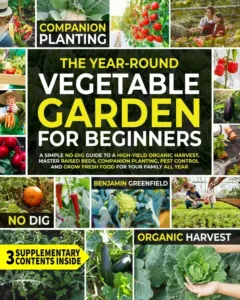
Check out the author’s book here: The Year-Round Vegetable Garden for Beginners.
Leave a Reply