

Every winter, gardeners experience a familiar, overwhelming rush of excitement. Glossy seed catalogs arrive in the mail, sparking wild dreams of massive summer harvests. Consequently, beginners often purchase dozens of colorful packets without any cohesive, logical strategy. Planting everything on the exact same sunny Saturday in May usually guarantees a chaotic, highly unproductive garden. Establishing a precise Seed Starting Calendar completely revolutionizes your entire approach to backyard farming. This vital organizational tool transforms random guessing into a highly predictable, scientific process.
Furthermore, implementing a strict schedule ensures your delicate seedlings never suffer from stunting in tiny pots while waiting for the weather to warm up. Managing your time properly prevents the heartbreaking loss of expensive, rare heritage genetics. This comprehensive guide walks you meticulously through the entire agricultural planning process. First, we will identify your specific local climate milestones. Next, discover exactly how to group different vegetable families by their unique biological timelines. Finally, master your personal Seed Starting Calendar to guarantee a continuous, highly productive food supply all season long.
Frost Dates: The Base of Your Seed Starting Calendar
Mapping out local weather patterns serves as the absolute foundation of your entire yearly plan. You simply cannot build a reliable timeline without knowing your historical freezing points. Specifically, you need to identify your average Last Spring Frost and your average First Fall Frost. These two specific days act as the rigid, unmoving bookends for your primary outdoor growing season.
Agricultural extension offices calculate these crucial dates based on decades of recorded historical weather data. Therefore, looking up your specific zip code on a reliable database, such as the Old Farmer’s Almanac Frost Date Calculator, provides the most accurate starting point. Once you circle these two critical dates on your kitchen wall calendar, the real horticultural math finally begins. Everything you sow, transplant, or harvest revolves entirely around these specific temperature milestones. Ignoring these dates invites absolute disaster into your raised beds.
Seed Packet Math for Your Seed Starting Calendar
Calculating your exact sowing dates requires reading the fine print located on the back of your colorful envelopes. Manufacturers always list the “Days to Maturity” or provide specific instructions indicating when to sow relative to the last frost. For instance, a jalapeño packet might instruct you to “start seeds indoors eight weeks before the last frost.” Subtracting eight weeks from your circled spring date gives you the precise weekend to drop those seeds into warm dirt.
If you struggle to decipher this specific agricultural jargon, reviewing Reading Seed Packets: A Guide to Understanding Maturity Timelines clears up the confusion instantly. Accurately decoding this printed information prevents you from raising massive, overgrown tomato plants inside your living room in early March. Keeping your Seed Starting Calendar organized in a dedicated notebook saves you countless hours of frustration when the busy spring rush finally hits.
Group One: The Early Spring Sprinters
Certain vegetables absolutely demand an incredibly early start to reach their full, delicious potential. Long-season, cold-hardy crops must begin their journey indoors while heavy snow still covers the dormant ground outside. Specifically, onions, leeks, and celery require a massive ten to twelve weeks of indoor growth before moving outside. Consequently, you must start these tiny seeds under bright artificial lights very early in the new year.
Following closely behind, the rugged brassica family needs an eight-week head start inside your warm house. Sowing broccoli, cabbage, and cauliflower indoors allows them to mature properly before the blistering summer heat arrives and ruins their sweet flavor. Mastering the specific, heavy-feeding needs of these cold-loving cousins requires studying Growing Brassicas: Cultivating Broccoli and Its Relatives in Your Backyard. You will move these hardened transplants into the garden several weeks before your actual last frost date because they tolerate freezing temperatures beautifully.
Group Two: The Summer Heavyweights
Heat-loving summer fruiting plants form the highly anticipated second wave of your indoor nursery schedule. Tomatoes, peppers, and eggplants originate directly from tropical climates and absolutely despise freezing dirt. Therefore, you must time their indoor sowing perfectly to ensure they stay warm and physically protected. Generally, starting these seeds roughly six to eight weeks before transplanting yields the best results. Indeed, Iowa State University Extension notes that most annuals and vegetables grown from seed need to be planted indoors 6 to 8 weeks before transplanting, and that tomatoes may need as little as four weeks.
If you excitedly start a tomato seed twelve weeks early, the aggressive plant will rapidly outgrow its tiny plastic container. A severely root-bound tomato plant suffers massive transplant shock when finally moved into the garden, drastically delaying your summer harvest. Keeping these specific vines manageable indoors ensures they explode with vigorous growth once planted outside in the bright sun. When they eventually reach their towering mature size, applying the advanced techniques found in Pruning Indeterminate Tomatoes: Maximizing Yields and Airflow keeps your harvest heavy and completely disease-free.
Group Three: Direct Sowing the Root Crops
Not every single vegetable requires a pampered, artificial indoor beginning. In fact, certain plant families completely reject being transplanted from a tiny plastic nursery pot. Root crops like carrots, radishes, and turnips possess incredibly fragile taproots that actively despise any physical disturbance. Consequently, you must direct-sow these seeds right into the garden beds where they will mature. In fact, University of Maine Cooperative Extension lists beans, beets, carrots, corn, peas, spinach, lettuce, turnips and zucchini among the vegetables typically direct-seeded in the garden.
Your Seed Starting Calendar should clearly indicate the specific weeks when the outdoor soil becomes workable enough for these seeds. Usually, this early planting window opens roughly two to three weeks before your last frost date arrives. Preparing a fluffy, loose subterranean environment guarantees perfectly straight, massive underground roots. Understanding the exact mechanical preparation required is detailed thoroughly in Growing Carrots: Secrets for Soil Prep and Sweet Harvests. Trusting the outdoor earth to nurture these specific seeds saves you massive amounts of highly valuable indoor shelf space.
Group Four: The Fast and Tender Vines
The squash and melon families represent a notoriously tricky group to schedule accurately on your timeline. Cucumbers, pumpkins, and watermelons grow incredibly fast once they successfully germinate in warm soil. Furthermore, their sensitive, sprawling roots heavily resent the entire transplanting process. Therefore, you should only start these seeds indoors a mere two or three weeks before moving them outside.
Alternatively, many experienced commercial growers simply wait until the danger of frost completely passes and direct-sow the seeds into warm outdoor soil. Planting a delicate cucumber seed into freezing spring mud guarantees it will rot instantly before ever sprouting a single leaf. Choosing the right heirloom varieties for your specific climate ensures these fast-growing vines produce heavily without succumbing to early diseases. Exploring unusual, highly productive options like the ones featured in Lemon Cucumber: Growing Round and Yellow Varieties adds incredible novelty and crisp flavor to your summer salads.
Hardening Off on Your Seed Starting Calendar
Moving a tender seedling from your cozy living room directly into the harsh outdoor environment usually results in sudden death. The intense ultraviolet radiation from the sun will instantly scorch their fragile, pampered green leaves. Strong spring winds will easily snap their weak, unconditioned stems in half. Consequently, your master plan must include a hardening-off period of one to two weeks, the span both extension guides above recommend.
This vital transitional phase involves slowly introducing your indoor plants to the outdoor elements for a few hours each day. Gradually increasing their exposure to wind and direct light thickens their cellular walls, effectively building their physical resilience over time. You cannot simply skip this crucial step if you expect your carefully nurtured plants to survive the massive environmental shift. Marking this transition period boldly on your Seed Starting Calendar prevents you from rushing the delicate process out of sheer impatience.
Adding the Autumn Harvest to Your Seed Starting Calendar
A truly comprehensive schedule does not abruptly end when the blistering summer heat arrives in July. To maximize your backyard’s total food production, you must eagerly plan for a robust autumn harvest. Sowing seeds in the middle of a blazing summer afternoon feels incredibly counterintuitive to most beginners. However, autumn crops like spinach, kale, and winter radishes require that mid-summer start to reach maturity before the dark days of November arrive.
Counting backward from your First Fall Frost date dictates exactly when to plant this second massive wave of food. Shading the delicate summer seedlings from the brutal August sun ensures their ultimate survival during the hottest weeks. Executing this relentless, highly rewarding relay race relies entirely on mastering the brilliant strategies outlined in Succession Planting: A Guide to Continuous Harvests. Keeping your soil constantly occupied prevents aggressive weeds from establishing a permanent foothold in your empty beds.
Exploring Winter Sowing Alternatives
Managing dozens of plastic trays under bright indoor lights demands significant daily effort and highly expensive electrical equipment. If you want to bypass this chaotic indoor circus entirely, a brilliant, nature-based outdoor alternative exists. Sowing specific cold-hardy seeds inside recycled plastic milk jugs completely revolutionizes the traditional spring timeline.
You prepare the miniature plastic greenhouses in January, leave them out in the snow, and let freezing nature handle the complex germination process. Because these tough seedlings sprout outdoors naturally, they completely bypass the tedious hardening-off process later in the spring. Embracing this highly resilient, low-budget technique is explored deeply in Winter Sowing in Milk Jugs: A Foolproof Seed Starting Method. This method proves especially useful for establishing robust perennial herbs and early spring brassicas without utilizing a single drop of indoor electricity.
Integrating Companion Plant Timelines
A highly optimized, professional schedule also considers the complex biological interactions happening between neighboring plants. You want your protective, aromatic herbs blooming at the exact same time your vulnerable vegetables begin producing fruit. For instance, timing your basil transplants to coincide perfectly with your tomato vines establishes a flawless, natural pest defense system.
Integrating these strategic, synergistic botanical partnerships into your timeline requires careful study and precise execution. Discover exactly how to map out these protective guilds accurately by reading our Herb Companion Planting: Maximizing Vegetable Growth and Repelling Pests guide. Orchestrating this blooming harmony transforms your garden into a self-protecting, highly efficient ecosystem. When the flowers and vegetables mature simultaneously, beneficial pollinators flood your backyard exactly when you desperately need them most.
Adjusting Your Seed Starting Calendar Each Year
Treat your physical or digital calendar as a dynamic, living document rather than a rigid, unforgiving law. Every single gardening zone features highly unique microclimates that slightly alter standard agricultural rules. Therefore, keeping meticulous notes regarding your actual sowing dates and subsequent harvest yields is absolutely mandatory for long-term success.
If your bell peppers always struggle to ripen before October, adjust your timeline and start them two weeks earlier next spring. Did your cilantro bolt immediately in the unexpected June heat? Make a specific, bold note to only plant it during the cooler autumn months moving forward. Refining your schedule based directly on your own historical, backyard data creates an incredibly powerful, hyper-localized farming strategy. No generic internet chart will ever outperform the highly specific data you collect from your own native soil over several dedicated seasons.
Achieving Total Horticultural Control
Adopting a strict, mathematically calculated timeline completely changes your relationship with the changing seasons. You immediately transition from frantically guessing in late May to calmly executing a flawless, year-round strategic plan. Creating a customized Seed Starting Calendar eliminates the overwhelming anxiety caused by those massive, beautiful seed catalogs arriving in December.
Instead of buying seeds randomly based on pretty pictures, you purchase exactly what you have the physical space and the chronological time to grow. Grab a blank notebook, look up your local frost dates online, and start counting backward today. By organizing your agricultural efforts logically, you guarantee a continuous, breathtakingly abundant harvest that easily feeds your family all year long. Take absolute control of your seasonal timing, and watch your backyard transform into an unstoppable engine of organic food production.
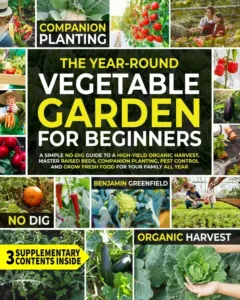
Check out the author’s book here: The Year-Round Vegetable Garden for Beginners.

Leave a Reply