

Gardeners have been taught to turn the soil for centuries. Every spring, out comes the heavy rototiller or the broad spade. Breaking up the earth feels like necessary, productive work. However, modern soil science tells a completely different story. Ripping up the ground actually destroys the delicate, invisible ecosystem living beneath our feet. The No-Dig Gardening Method offers a revolutionary alternative to this destructive tradition. This approach mimics nature by layering organic matter on top of the ground instead of churning it in. Leaving the earth undisturbed allows beneficial fungi, bacteria, and earthworms to thrive perfectly.
Adopting this philosophy saves you hours of backbreaking labor every single season. Furthermore, it produces healthier, more resilient vegetable plants. After all, nature never uses a plow to build a fertile forest floor. Leaves simply fall, decay, and build soil from the top down. This comprehensive guide explores the biological mechanics of building a highly productive garden without ever lifting a shovel. Learn how to smother aggressive weeds, establish rich compost layers, and cultivate incredible harvests by embracing the No-Dig Gardening Method.
The Destructive Reality of Traditional Tilling
Understanding why we should stop digging requires looking closely at what happens when a tiller blades slice through the earth. For example, rotary tillers pulverize the natural soil structure into fine dust. This mechanical action shatters the microscopic mycelial networks that transport vital nutrients to plant roots. Moreover, slicing through the ground decimates the local earthworm population.
In addition, turning the earth exposes dormant weed seeds to sunlight. According to Oregon State University Extension, tilling brings buried weed seeds to the surface where they germinate. This exposure guarantees a massive, unmanageable weed problem just a few weeks later. Bare, pulverized soil washes away quickly in heavy rain and bakes into a hard, impenetrable crust under the blistering summer sun. Oregon State also notes that tilling compacts soil, destroys air and water pores, and can increase runoff, erosion and surface crusting. So the gardener tills again the next year just to loosen the dirt. This creates a vicious, never-ending cycle of labor and soil degradation.
Why the No-Dig Gardening Method Protects Soil Life
Conversely, the No-Dig Gardening Method fiercely protects the complex soil food web. As a result, microorganisms remain intact and undisturbed. Fungal networks continue to expand year after year, forming vital symbiotic relationships with your vegetable roots. Indeed, Oregon State Extension explains that fungal hyphae help hold soil aggregates together, while earthworms create additional pore space.
This biological harmony serves as a core concept found in Loam Soil Preparation: Understanding and Improving Your Garden’s Composition. When you leave the ground alone, nature happily does the heavy lifting for you. In effect, earthworms become your personal, biological tillers. They pull organic matter down from the surface, digesting it and aerating the root zone naturally as they tunnel. Their nutrient-dense castings provide the perfect, slow-release fertilizer for hungry crops.
Phase One: Smothering the Competition
Starting a bed with the No-Dig Gardening Method requires zero excavation. You do absolutely not need to strip away the existing grass or dig out established weeds. Instead, you simply smother them using a biodegradable barrier.
First, gather thick, plain brown corrugated cardboard from local appliance stores or recycling bins. Next, remove all plastic shipping tape, metal staples, and glossy printed labels. Lay this clean cardboard directly over the grass or weeds exactly where you want your new garden bed to sit. Overlap the cardboard edges by at least six to eight inches. Leaving any small gaps allows aggressive perennial weeds like bindweed to find the sunlight and push through the barrier.
Then water the cardboard thoroughly until it is soaked and heavy, as Oregon State also recommends for a cardboard base. This thick, wet layer blocks all sunlight, immediately starving the vegetation trapped below. As the grass dies in the darkness, it decomposes slowly and feeds the native soil beneath. Executing this foundational step proves vastly easier and more effective than stripping heavy sod by hand.
Phase Two: Building the Compost Layer
However, cardboard acts only as a temporary weed barrier. Your actual growing medium must sit directly on top of it. Spread a thick, generous layer of high-quality compost directly over the soaking wet cardboard.
For a brand new bed, aim for a minimum depth of four to six inches of organic matter. This deep compost layer provides the immediate, nutrient-rich rooting zone for your new crops. Sourcing excellent compost remains critical to your success. A diverse mix of municipal green waste compost, aged cow manure, and homemade leaf mold works beautifully. Diversity in your compost pile guarantees a wide spectrum of essential trace minerals.
If you want to master creating this vital ingredient at home, review Composting 101: A Beginner’s Guide to Black Gold. The compost serves a dual purpose in this system. It feeds the vegetable plants while simultaneously acting as a heavy mulch to hold the cardboard tightly to the ground during high winds.
Planting Right Away with the No-Dig Gardening Method
One of the greatest, most satisfying advantages of the No-Dig Gardening Method is instant gratification. You can plant seeds or sturdy transplants the exact same day you build the bed. There is no waiting period required.
For example, to plant nursery transplants, simply use a hand trowel to scoop out a small hole in the loose compost. Place your tomato or pepper seedling inside and firm the compost gently around the stem. The young roots will easily grow through the soft compost and eventually penetrate the decaying cardboard below.
Sowing small seeds requires a slightly finer surface texture. If your bulk compost contains large woody chunks, rake the top inch carefully to create a smooth, even seedbed. Draw a shallow furrow with your index finger and drop in your carrot or lettuce seeds. Because the fresh compost is virtually weed-free, the only green shoots that emerge will be the specific vegetables you planted.
Weed Control with the No-Dig Gardening Method
Traditional farmers spend countless, exhausting hours hoeing and pulling aggressive weeds. By contrast, the no-dig approach cuts this tedious chore dramatically.
Since you never invert the soil, deeply buried weed seeds never see the light of day required for germination. The few weeds that do occasionally appear usually blow in on the spring wind. These surface weeds root very weakly into the loose, airy compost, making them incredibly easy to pull out with just two fingers.
Maintaining a pristine surface remains paramount for long-term success. In practice, walk your garden beds once a week and pull any tiny weed seedlings before they mature and drop new seeds. This proactive, low-effort approach saves massive amounts of time later in the grueling summer season. Keeping your beds clean also supports Organic Pest Management: Eco-Friendly Solutions for the Vegetable Garden, since many pests use tall grass and weeds as breeding grounds.
Annual Maintenance and Sustained Fertility
A no-dig garden is definitely not a “one and done” project. Heavy-feeding vegetables extract significant amounts of nutrients from the compost over the course of a long summer. You must replenish this consumed organic matter every single year to maintain high yields.
Fortunately, the ongoing maintenance takes only a fraction of the time required by traditional spring tilling. Every autumn after the final harvest, or in early spring before planting, simply spread a fresh one-to-two-inch layer of compost over the surface of the bed.
However, do not mix it in with a fork or shovel. Just let it sit undisturbed on top. Winter rains and melting snow will wash the soluble nutrients down deeply into the root zone. Frost will naturally break down any large clods, leaving a perfect, friable surface ready for spring planting. This simple annual top-dressing routine is the absolute secret to sustaining a high-yield plot, as discussed in Intensive Gardening: Planning for High Yields in Small Plots. The soil literally grows richer, darker, and deeper with each passing year.
Water Conservation and Moisture Retention
Unfortunately, bare, exposed dirt dries out fast under a hot sun. The thick compost layer utilized in the No-Dig Gardening Method acts exactly like a massive biological sponge. It absorbs heavy rainfall quickly and prevents devastating surface runoff.
During blistering summer days, the dark compost physically insulates the damp soil beneath, drastically reducing the rate of evaporation. You will quickly find yourself watering far less frequently than your tilling neighbors. Pairing this moisture-retaining method with a Drip Tape Installation: DIY Micro-Irrigation for Efficient Veggie Gardens creates an incredibly efficient, drought-resistant watering protocol. Drip emitters slowly saturate the compost directly, keeping the vital moisture exactly where the plant roots need it most.
Adapting the No-Dig Gardening Method to Any Layout
This versatile philosophy applies seamlessly to almost any garden structure or design. You can utilize it for flat, in-ground rows or highly elevated wooden frames.
If you prefer using raised beds, the underlying concept remains identical. Fill the wooden or metal frames with a high-quality Raised Bed Soil Mix: The Perfect Ratio for Growth, and then vow to never turn that soil again. Just top it off with fresh compost annually.
For those planning their overall backyard design, incorporating permanent pathways is absolutely crucial. Dedicate specific, clearly marked areas for walking and strictly forbid anyone from stepping on your growing spaces. Stepping on the beds causes severe compaction, which entirely defeats the purpose of avoiding the mechanical tiller. Learn how to map these permanent zones effectively by consulting Vegetable Garden Layout Ideas for Beginners.
Managing Cover Crops Without a Tiller
Many traditionalists falsely believe you must own a tiller to utilize cover crops effectively. Incorporating “green manures” into a no-dig system is actually quite simple.
Instead of turning aggressive cover crops into the dirt in spring, select varieties that naturally winter-kill. Sowing oats or daikon radishes in late autumn provides excellent soil protection. When the deep winter freezes arrive, these specific plants die back completely. Their extensive root systems rot perfectly in place, leaving behind incredible aeration channels and organic matter without requiring a single pass of a plow. This technique pairs well with Vegetable Crop Rotation: An Essential Guide for Soil Health Families.
Tackling Severe Hardpan Clay
Growers burdened with heavy, compacted clay often doubt this gentle method will work for their specific property. They incorrectly assume vegetable roots will hit the hard clay beneath the cardboard and immediately stop growing.
Biology consistently proves this pessimistic assumption wrong. As the cardboard rots away over the first season, deep-dwelling earthworms travel up from the clay to eat the delicious compost. They then travel back down into the hardpan, leaving nutrient-rich castings behind and creating thousands of vertical drainage tunnels. Over a few short seasons, these tireless worms naturally aerate and soften the toughest clay.
Patience is definitely required during the first year on severe ground. Your carrots might grow a bit short or stubby initially. By year three, however, the rich topsoil layer will have deepened significantly, seamlessly blending into the vastly improved subsoil below.
The No-Dig Gardening Method Trials of Charles Dowding
While Indigenous cultures have practiced brilliant variations of this top-dressing technique for millennia, the modern champion of the method is a British market gardener named Charles Dowding. Since 2007, Dowding has run a side-by-side trial of two beds of 7.5 square meters: one dug with compost buried about 20 cm down, the other with the same compost simply spread on top.
According to Dowding’s trial records, from 2013 to 2025 the undug bed produced 1374.77 kg against 1218.80 kg for the dug bed, about 12% more. Furthermore, the dug bed needed more hoeing of tiny weeds, and one December the digging took 2.5 hours against half an hour for the no-dig bed. It is one gardener’s trial, not a university study, but it has convinced many market gardeners to put away their tillers.
A Healthier Approach to Backyard Farming
Embracing the No-Dig Gardening Method requires a significant leap of faith for anyone accustomed to traditional farming techniques. Putting away the rototiller feels very strange and counterintuitive at first.
Yet, the stunning visual results speak for themselves within a single growing season. You will harvest cleaner, larger vegetables, pull significantly fewer weeds, and spend your precious weekends actually enjoying the garden rather than fighting a war against it. Building soil health from the top down respects the ancient, invisible ecosystems that silently support all terrestrial life on our planet.
Start with just one small test bed this weekend. Lay down some free cardboard, spread a few bags of rich compost, and plant your favorite heirloom seeds. You will quickly and joyfully discover that the absolute best way to cultivate a thriving, resilient vegetable patch is to simply let the soil be.
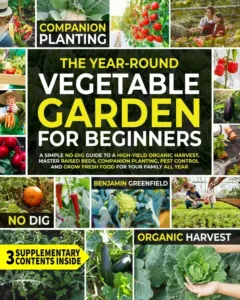
Check out the author’s book here: The Year-Round Vegetable Garden for Beginners.

Leave a Reply