

Spring rapidly approaches, and colorful envelopes begin flooding the mailboxes of eager growers everywhere. Staring at these tiny, beautifully illustrated paper squares often feels like attempting to decipher an ancient, highly cryptic language. Novice gardeners frequently look at the vibrant pictures on the front and completely ignore the dense block of text printed on the back. Ignoring this crucial horticultural information almost guarantees a season filled with unnecessary frustration and poor yields. Reading Seed Packets correctly unlocks the exact biological formula required for that specific plant variety to thrive in your backyard. This comprehensive guide strips away the confusion surrounding common agricultural jargon.
Manufacturers pack an incredible amount of vital data into a very restricted space. Learning how to interpret maturity timelines, calculate perfect planting depths, and decode complex disease resistance letters transforms your approach entirely. Mastering these tiny instruction manuals ensures your future harvest meets your highest expectations. Rather than guessing when to start your indoor trays, you will execute a flawless, scientifically backed schedule. So dive into the anatomy of the envelope and put this printed knowledge to work.
Reading Seed Packets: The Anatomy of the Envelope
Every commercial seed envelope serves as a highly condensed, intensely practical instruction manual. Finding the specific plant variety represents your first and most obvious task upon picking up the package. However, identifying whether the contents are open-pollinated heirlooms or modern F1 hybrids changes your entire seasonal strategy immediately. Therefore, understanding this genetic background is crucial. Exploring the details in Heirloom vs. Hybrid: Choosing the Best Vegetable Varieties for Your Garden clarifies why heritage types breed true. Hybrids, by contrast, offer engineered vigor.
Below the bold variety name sits a brief, romanticized description of flavor and mature appearance. When Reading Seed Packets, skim past the marketing adjectives. Instead, focus on the hard botanical data lower down on the flap. Finding the precise botanical Latin name guarantees you are purchasing the exact species you want. It also prevents mix-ups between similar-looking mustard greens or obscure Asian brassicas.
Reading Seed Packets for “Days to Maturity”
Perhaps the most universally misunderstood number printed on any label involves the expected growth timeline. The prominent phrase “Days to Maturity” frequently misleads enthusiastic beginners into making massive scheduling errors. Many people wrongly assume this number is a guaranteed countdown from the moment the seed hits the dirt. Yet biological reality proves far more complicated than a simple, static calendar equation.
For direct-sown crops like radishes, carrots and bush beans, the countdown begins at germination. Indeed, University of Maine Cooperative Extension explains that for direct-sown seeds such as corn, peas and radishes, the count starts from germination. Transplants, conversely, operate on a delayed timeline. For tomatoes, peppers and eggplants, the count starts when the young plant moves into the outdoor bed. Failing to account for the six to eight weeks the fragile plant spends growing indoors ruins your harvest calculations entirely.
The Critical Germination Window
Before any plant can mature, it must successfully wake up from its deep dormant state. The “Days to Germinate” metric tells you exactly how long you should patiently wait before giving up hope on a specific row. Certain fast-growing leafy greens burst aggressively through the soil surface in a mere three days. Stubborn parsley or parsnip seeds, on the other hand, might sit underground for three agonizing weeks.
Patience remains a vital virtue, but ambient temperature acts as the ultimate biological catalyst. In fact, soil warmth heavily dictates the speed of this subterranean awakening. Dropping a heat-loving pepper seed into freezing spring mud halts germination completely. As a result, the seed often rots long before it ever sprouts. Utilizing a digital soil thermometer guarantees you meet the minimum temperature requirements listed specifically on the envelope. Providing the correct heat ensures your seeds awaken promptly and vigorously.
Reading Seed Packets for Sowing Depth
Proper physical placement directly dictates the structural health of the emerging seedling. Planting a tiny, dust-like lettuce seed three inches deep practically guarantees it will never see the sunlight. As a result, the fragile shoot simply runs out of stored carbohydrate energy before breaking through the heavy soil crust. A highly reliable, universal horticultural rule suggests planting seeds at a depth equal to roughly twice their physical width.
Large, chunky pumpkin seeds demand a deep, secure hole to anchor their massive emerging root systems. Meanwhile, microscopic snapdragon seeds merely require a gentle pressing into the surface of the damp earth. Therefore, following the exact depth on the package prevents patchy, uneven emergence across your beds. Constructing the ideal fluffy medium for these seeds is effortlessly achieved by following Raised Bed Soil Mix: The Perfect Ratio for Growth. Soft soil allows the emerging shoots to push upward without facing crushing physical resistance.
Translating Spacing Requirements for Small Spaces
When Reading Seed Packets, spacing instructions require careful translation for your own backyard layout. Traditional seed packets provide measurements optimized for long, single-file tractor rows spanning massive agricultural fields. However, backyard growers utilizing raised beds or tight urban containers must adapt these sprawling numbers significantly.
Converting wide row spacing into tight grid measurements unlocks massive, unprecedented yields. This specific spatial conversion process forms the core functional philosophy detailed in Intensive Gardening: Planning for High Yields in Small Plots. Placing crops shoulder-to-shoulder in a grid creates a dense, living mulch canopy. This protective leafy umbrella naturally suppresses aggressive weeds and drastically reduces soil moisture evaporation during blistering heatwaves.
Understanding Sunlight and Environmental Demands
Vegetable plants operate as highly efficient, entirely solar-powered chemical factories. The packet strictly dictates the absolute minimum amount of solar fuel required to produce a worthwhile harvest. “Full Sun” unequivocally means the plant demands six to eight hours of direct, unfiltered light every single day. Indeed, melons, tomatoes, and sweet corn will simply refuse to set fruit without this massive, sustained energy input.
“Partial Shade” indicates a strong tolerance for three to six hours of sunlight, preferably captured during the cooler morning hours. For example, spinach and arugula prefer this dappled light, which keeps them from bolting in summer. Mapping your property carefully, a foundational step outlined in Starting a Vegetable Garden: A Checklist for Newbies, ensures you seamlessly match the packet’s light requirements to the correct backyard microclimate.
Reading Seed Packets for Disease Resistance Codes
Commercial vegetable breeders often print a highly confusing string of capital letters directly next to the variety name. This alphabet soup represents specific genetic resistances bred deliberately into the plant’s DNA. Reading Seed Packets closely for these codes saves you from fighting unwinnable, heartbreaking battles against invisible soil pathogens later in the summer.
Tomato packets frequently display complex combinations like V, F, N, T, or A. The letter “V” stands for Verticillium Wilt, a devastating fungal pathogen that destroys the vascular system. “F” represents Fusarium Wilt, while “N” indicates strong resistance to destructive, microscopic root-knot nematodes. So if blights or wilts struck last season, seek out seeds with these resistance codes. Selecting resilient genetics also reduces your reliance on sprays, a theme of Organic Pest Management: Eco-Friendly Solutions for the Vegetable Garden.
The Painful Necessity of Thinning
Beginners consistently cringe when reading the “Thin To” instructions printed on the back flap. Thinning requires intentionally pulling up and killing perfectly healthy baby seedlings to provide adequate room for the remaining plants. Yet skipping this emotionally difficult step ruins crops like beets, carrots, and radishes entirely.
Crowded root vegetables fiercely compete for underground space, resulting in tangled, stunted, and hopelessly deformed harvests. Reading Seed Packets prepares you for this necessary horticultural sacrifice. If the instructions say “Thin to 4 inches apart,” you must ruthlessly eliminate the excess competitors once the greens reach two inches tall. Snip the unwanted seedlings with scissors rather than pulling them. That way, the roots of the survivors stay intact.
Pelleted Seeds and Seed Tape Innovations
Modern seed companies frequently offer modified products designed to make the sowing process significantly easier. Understanding these variations helps you select the perfect product for your specific gardening style. Microscopic seeds like carrots or petunias often come “pelleted.” In other words, the supplier coats each tiny seed in a dissolvable clay shell.
This clay coating makes the seeds large enough to handle individually, completely eliminating the need for painful future thinning. Similarly, seed tape offers another brilliant convenience. Manufacturers embed the seeds at perfect, mathematically precise intervals inside a biodegradable paper strip. Then you simply lay the paper ribbon in a shallow trench, cover it with dirt, and water it thoroughly. These innovations cost slightly more but save massive amounts of tedious physical labor during the chaotic spring planting rush.
Reading Seed Packets for the Packed For Date
Agricultural law requires seed companies to stamp a “Packed For” date on every single commercial envelope. This specific date guarantees the highest possible germination rate for that current calendar year. However, an expired packet hiding in the back of the shed is not automatically dead.
Many vegetable seeds stay viable for several years in a cool, dry place. Indeed, University of Illinois Extension lists tomato seeds as viable for 4 to 5 years and bean seeds for 3 years. Onion and parsnip seeds, conversely, last only 1 to 2 years. Understanding the hidden nuances of seed longevity helps you manage your backyard inventory effectively. Incorporating the careful storage techniques found in Saving Vegetable Seeds: A Step-by-Step Guide for the Home Garden stretches your gardening budget significantly over time.
Performing a Simple Germination Test
If you doubt an older packet, perform a simple germination test before risking garden space. Place ten random seeds evenly inside a damp paper towel. Fold the towel carefully and enclose it securely within a clear plastic zipper bag.
Then keep the sealed bag in a warm spot, like the top of your refrigerator. Check it after seven days. If seven out of the ten seeds sprout healthy white tails, you possess a solid seventy percent germination rate. You can then plant the rest of the packet, sowing a little heavier to cover the thirty percent that will fail.
Timing the Harvest and Succession Strategies
A clever gardener uses the printed maturity timeline as a planning tool, not just a harvest prediction. In fact, knowing how many weeks a crop needs lets you orchestrate a rolling harvest from spring until winter.
Instead of planting an entire packet of spicy radishes on the same Sunday afternoon, sow a small pinch of seeds every ten days. This brilliant relay technique guarantees a steady, manageable supply of fresh roots rather than an overwhelming, rotting glut. Syncing these specific maturity dates across multiple different vegetable families forms the powerful foundation of Succession Planting: A Guide to Continuous Harvests.
The Ultimate Blueprint for Backyard Abundance
Reading Seed Packets correctly elevates your horticultural skills from casual, hopeful guessing to precise, scientific management. Those tiny, colorful paper envelopes contain the accumulated, hard-won wisdom of countless generations of breeders and farmers. Consequently, close attention to the fine print aligns your actions with the biological needs of the plant.
Stop throwing the empty packets away into the recycling bin the moment you open them. Instead, keep them in a dry notebook or photo album for quick reference all summer. Treat this printed information as your personal, highly customized roadmap to backyard success. Respect germination rates, maturity timelines and spacing rules, and your garden will reward you with healthy, productive growth.
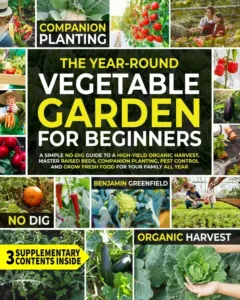
Check out the author’s book here: The Year-Round Vegetable Garden for Beginners.

Leave a Reply