
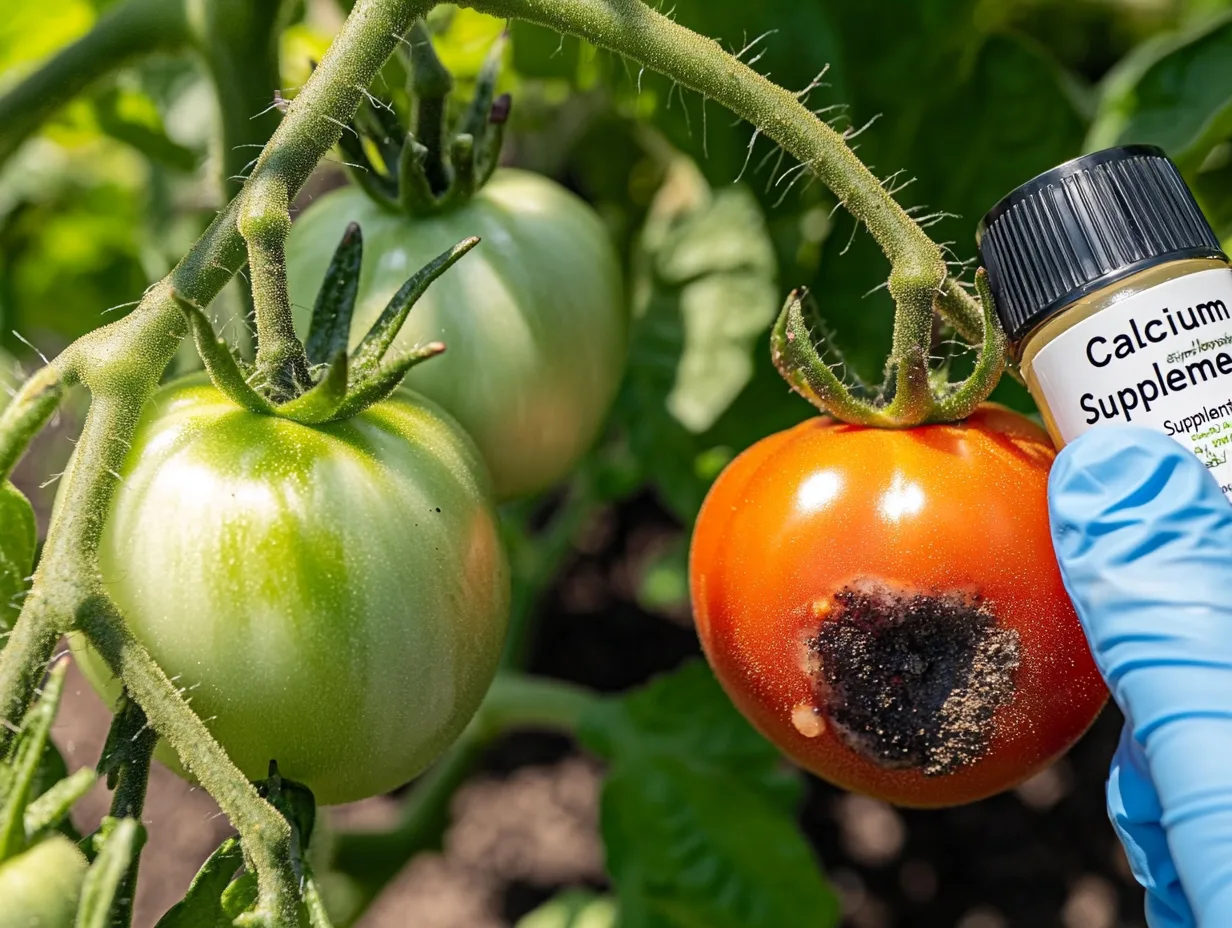
Few things disappoint a home gardener more than a brownish-black patch at the bottom of prized vegetables. This issue is known as blossom-end rot. It strikes tomatoes, peppers, eggplants and zucchinis, and it ruins both flavor and texture. Fortunately, understanding the causes and spotting the symptoms early can protect your entire vegetable garden. This guide covers identifying and preventing blossom-end rot in your vegetable crop, step by step, for a more abundant harvest.
Identifying and Preventing Blossom-End Rot: Causes and Contributing Factors
To effectively tackle any gardening problem, it’s essential to understand why it occurs in the first place. Blossom-end rot is not caused by a fungus or insect, but rather by a physiological imbalance. More specifically, it results from a calcium deficiency in developing fruits. Your soil may hold plenty of calcium. However, several factors can stop the nutrient from reaching the fruit. Indeed, Iowa State University Extension blames fluctuating soil moisture, high nitrogen fertilization and root pruning during cultivation.
Common Causes of Blossom-End Rot in Homegrown Vegetables
- Calcium Deficiency in Fruits: Even if the soil is rich in calcium, fluctuating moisture levels or improper watering techniques may inhibit calcium uptake.
- Irregular Watering Schedules: Drought stress or waterlogged soil can both interfere with calcium distribution, making it harder for your vegetables to absorb and utilize this critical mineral.
- Excessive Nitrogen Fertilization: High nitrogen levels can promote leafy growth at the expense of fruit development, indirectly exacerbating blossom-end rot.
- Soil pH Issues: Extremely acidic or alkaline soil can limit nutrient availability, including calcium.
Therefore, fixing these underlying issues makes your vegetable crop far less likely to develop blossom-end rot.
Recognizing Early Signs and Symptoms of Blossom-End Rot in Your Crop
In practice, catching problems early can be the difference between salvaging your crop and losing a significant portion of it. For this reason, learning the visual cues and early indicators is key to identifying blossom-end rot before it spreads throughout your harvest.
What Blossom-End Rot Looks Like on Various Vegetables
- Tomatoes: A small, dark, sunken spot at the fruit’s base that eventually expands into a larger, leathery patch.
- Peppers: The blossom end develops a slightly shriveled, water-soaked area that gradually darkens and hardens.
- Zucchinis and Squash: Early rot appears as a discolored spot at the blossom end, with the fruit turning brownish-black if left unchecked.
- Eggplants: Similar to tomatoes, eggplants may form a circular, dark patch on the bottom, often accompanied by firmness or dryness in that area.
At the first hint of these symptoms, confirm that blossom-end rot is really the culprit. That way, early intervention allows you to modify your watering, soil conditions, or fertilizer routine to minimize losses.
Testing Your Soil: Ensuring Adequate Nutrient Levels and Proper pH
One of the most effective strategies for preventing blossom-end rot in your vegetable garden is maintaining balanced soil chemistry. Calcium availability depends on pH and other nutrients. For that reason, regular soil testing is a smart, proactive step.
How to Test and Adjust Your Soil for Optimal Calcium Uptake
- Obtain a Soil Test Kit: Commercial soil test kits are available online or at local garden centers. You can also send a sample to your local agricultural extension service for a detailed analysis.
- Measure pH and Nutrient Levels: Ideal soil pH for most vegetables ranges from 6.0 to 7.0. If tests show acidic soil, add lime to raise pH and improve calcium availability. If it’s too alkaline, add sulfur to lower pH. Soil pH Level: Testing and Balancing for Maximum Yield walks through both corrections.
- Follow the Test Results: Add lime or other calcium sources only when the test calls for them. The Iowa State guide notes that adding calcium to the soil is generally ineffective, since the usual problem is uptake, not supply.
- Re-Test Periodically: Seasonal changes and crop rotation can influence soil conditions, so test every year or two to maintain ideal nutrient levels.
For more on soil structure, see Loam Soil Preparation: Understanding and Improving Your Garden’s Composition.
Proper Watering Techniques: Maintaining Consistent Moisture for Healthy Fruits
Similarly, moisture management plays a central role in preventing blossom-end rot. While it’s tempting to assume that more water is always better, inconsistency is the true enemy. Plants need a steady, regular supply of moisture to support consistent calcium absorption and fruit development.
Tips for Watering Your Vegetable Garden to Avoid Blossom-End Rot
- Aim for Consistency: The Iowa State guide notes that tomato plants require about 1 to 1.5 inches of water per week, so water deeply during dry weather and keep the root zone evenly moist but not waterlogged.
- Use Soaker Hoses or Drip Irrigation: These irrigation systems deliver water directly to the roots, reducing evaporation and promoting efficient nutrient uptake. See Efficient Watering Techniques for Sustainable Vegetable Gardening.
- Mulch to Retain Moisture: Apply organic mulches like straw, wood chips, or shredded leaves around your plants. This helps regulate soil temperature and maintain steady moisture levels, as Organic Garden Mulch: How Deep to Lay It and When to Wait explains.
- Monitor Rainfall and Adjust Accordingly: If nature provides significant rainfall, cut back on manual watering to avoid over-saturation.
In short, steady moisture makes your garden far less prone to blossom-end rot and other common vegetable disorders.
Balancing Fertilization: Encouraging Healthy Growth Without Overdoing Nitrogen
Over-fertilization can lead to excessive leaf growth, making it harder for fruits to receive adequate nutrients. Balanced feeding, by contrast, keeps plants healthy and lets calcium keep flowing to developing fruits.
Guidelines for Using the Right Fertilizers in Your Vegetable Garden
- Select a Balanced Fertilizer: Look for formulations with an even N-P-K ratio (e.g., 10-10-10) rather than those overly rich in nitrogen.
- Slow-Release Options: Organic and slow-release fertilizers provide nutrients gradually, giving plants consistent access to nutrients throughout the growing season.
- Incorporate Organic Matter: Compost improves soil structure, enhances nutrient retention, and supports beneficial microbes, all of which can help reduce blossom-end rot risk.
For homemade organic matter, see Composting 101: A Beginner’s Guide to Black Gold.
Selecting the Right Varieties: Choosing Blossom-End Rot-Resistant Crops
Plant genetics can also influence your garden’s susceptibility to blossom-end rot. Although no plant variety is entirely immune, some cultivars are more resilient than others. By selecting appropriate seed varieties, you can reduce the likelihood of encountering severe blossom-end rot issues.
Recommended Varieties That Are Less Prone to Blossom-End Rot
- Tomatoes: No cultivar is immune, so ask growers near you which ones hold up best in your conditions.
- Peppers: Opt for bell pepper varieties known for their thick walls and sturdy growth habits.
- Zucchinis and Squash: Experiment with proven, disease-resistant hybrids that thrive under varied conditions.
Check reputable seed catalogs or gardening forums for recommendations tailored to your region’s climate and soil conditions. Your local university extension office can also tell you which cultivars perform best in your region.
Calcium Sprays: Why They Fail Against Blossom-End Rot
Sometimes, even with ideal soil conditions and watering practices, blossom-end rot can appear. In these cases, calcium sprays look like a quick fix, but they rarely work. Indeed, Clemson Cooperative Extension explains that calcium in leaves cannot move through the phloem into the fruit. In addition, the skin of the fruit cannot directly absorb foliar-applied calcium.
What to Do Instead of Spraying
- Skip the Spray Bottle: Spend the money on mulch and drip lines, which address the real cause.
- Water Evenly: Clemson calls uniform soil moisture the most effective way to prevent blossom-end rot.
- Test Before Planting: Take a soil test well before planting and follow its lime and fertilizer advice.
In short, prevention happens in the soil, not on the leaves. Combine steady watering, a soil test and balanced fertilization for the best results.
Implementing Crop Rotation: Building Long-Term Garden Health
Crop rotation is a time-tested practice that benefits every aspect of your garden’s health, from nutrient balance to disease prevention. Moving tomato, pepper, or squash crops each season reduces soil-borne problems and encourages a more diverse microbial community. Rotation will not cure blossom-end rot on its own, but it keeps your beds healthier overall.
How to Rotate Your Vegetable Crops Effectively
- Group Plants by Family: Rotate members of the same plant family (e.g., nightshades like tomatoes and peppers) through different beds each year.
- Incorporate Legumes and Cover Crops: Planting nitrogen-fixing legumes or cover crops in between vegetable rotations enriches the soil and improves structure.
- Track Your Garden Layout: Maintain a simple garden map or journal to remember which crops were grown where, ensuring that each area rests from susceptible plants periodically.
For strategic planning, see Vegetable Crop Rotation: An Essential Guide for Soil Health Families.
Addressing Environmental Stressors: Temperature and Humidity Control
Environmental conditions, such as extreme heat, cool nights, or fluctuating humidity levels, can disrupt calcium uptake and promote blossom-end rot. Adjusting your garden environment can make a noticeable difference in minimizing fruit disorders.
Tips for Managing Your Garden’s Microclimate
- Use Shade Cloths in Hot Climates: Protecting plants from intense midday sun reduces water stress, making calcium transport more efficient.
- Increase Air Circulation: Proper plant spacing and regular pruning promote better airflow, maintaining stable moisture levels and preventing fruit rot.
- Mulch to Stabilize Soil Temperature: A layer of organic mulch helps regulate both temperature and moisture in the root zone.
For more ways to shield crops from weather stress, see Growing Under Cover: How to Add Months to Your Vegetable Season.
Pruning and Plant Care: Encouraging Healthy, Robust Plant Growth
Overcrowded or poorly maintained plants are more vulnerable to nutrient imbalances and disease. Proper pruning improves airflow and sunlight penetration. As a result, the plant moves water more evenly to its fruit.
Simple Steps for Healthier Plants and Reduced Blossom-End Rot
- Remove Excess Foliage: Prune unnecessary leaves and suckers to direct the plant’s energy toward fruit production, as Pruning Indeterminate Tomatoes: Maximizing Yields and Airflow shows.
- Stake or Cage Your Plants: Support structures help maintain proper fruit positioning, reducing stress on developing vegetables.
- Inspect Regularly: Weekly checks for early signs of blossom-end rot or other problems allow for timely intervention.
Identifying and Preventing Blossom-End Rot Year After Year
No gardener becomes an expert overnight. Blossom-end rot provides an opportunity to refine your techniques, experiment with different cultivars, and learn more about soil management. Take note of what works, what doesn’t, and remain flexible in your approach.
Building Knowledge and Seeking Expert Advice
- Connect with Local Gardeners: Join community garden groups or online forums to share experiences and learn about region-specific solutions.
- Consult Reputable Resources: University agricultural extensions and trusted horticultural books offer evidence-based guidance.
- Keep a Gardening Journal: Documenting your successes and setbacks each season helps you fine-tune your approach and minimize future blossom-end rot occurrences.
Now you know what causes the problem, how to spot it, and which steps stop it. Above all, identifying and preventing blossom-end rot is a skill that grows with every season. Keep adjusting your methods, and healthier fruits and more abundant harvests will follow.
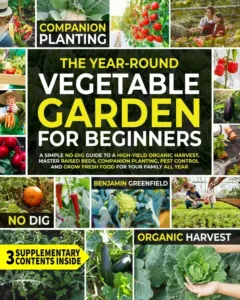
Check out the author’s book here: The Year-Round Vegetable Garden for Beginners.
Leave a Reply