
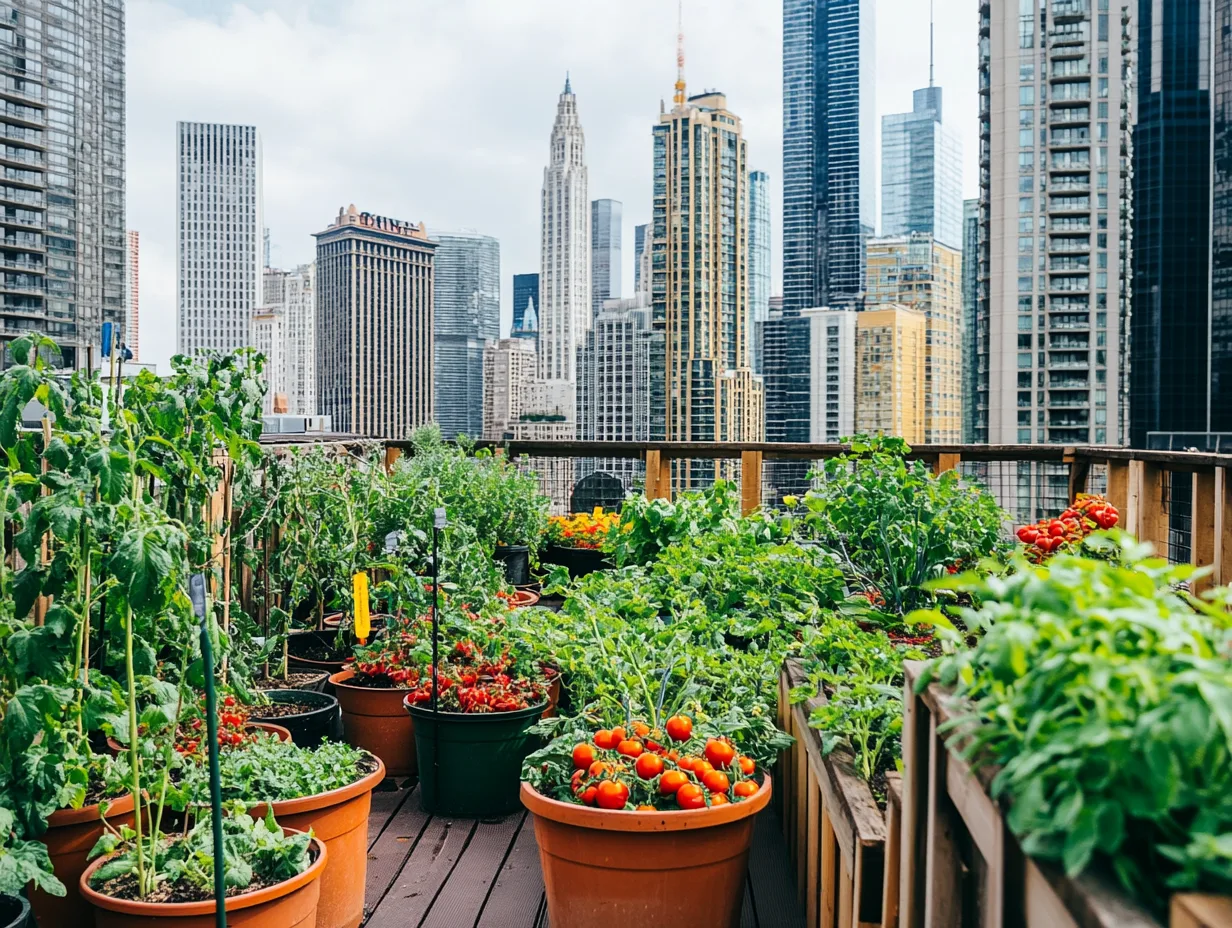
Urban Rooftop Vegetable Gardening has emerged as a fantastic solution for city dwellers seeking fresh, homegrown produce. In the past, limited space, unconventional layouts, and the challenges of a metropolitan lifestyle once made at-home gardening seem out of reach for apartment residents and penthouse owners. Today, however, many innovative practices are available to help you transform any flat, usable rooftop surface into a thriving oasis of vegetables, herbs, and even small fruiting plants. Below, this post explores these practical methods, offering clear guidance on the best crops, setup tips, and maintenance techniques. By the end, you’ll have the confidence to roll up your sleeves and create your own rooftop vegetable patch—even in the heart of a bustling city.
Understanding the Appeal of Urban Rooftop Vegetable Gardening
The concept of urban rooftop vegetable gardening is not merely a passing trend. Instead, it’s a movement driven by the desire to reconnect with nature, reduce environmental impact, and savor healthier, tastier produce. After all, modern city life often means living in high-rise buildings, with cramped balconies or no outdoor space at all. For this reason, a rooftop can be the perfect canvas to unleash your green thumb.
Benefits of Cultivating Vegetables Up High
- Maximized Space
First, you don’t need a sprawling backyard to grow fresh produce. Flat, underutilized rooftops become your personal farmland without encroaching on living areas. - Enhanced Air Quality
Plants act as natural air purifiers, helping to filter dust, pollutants, and carbon dioxide. As a result, a rooftop garden contributes to a healthier, more pleasant environment for both you and your neighbors. - Thermal Regulation
Rooftop gardens can insulate buildings by absorbing heat during the day and releasing it slowly at night, reducing energy costs for cooling or heating. - Fresher Produce, Reduced Footprint
Growing vegetables on-site cuts down on transportation-related carbon emissions. Plus, you can harvest exactly what you need, decreasing food waste.
For those just starting out, Starting a Vegetable Garden: A Checklist for Newbies might also help you grasp the fundamentals of soil preparation, plant selection, and seasonal schedules before venturing onto a rooftop.
Planning Your Rooftop Garden Layout
One of the first steps in Urban Rooftop Vegetable Gardening is figuring out how to optimize the available surface. However, rooftops can vary drastically in shape, size, and weight-bearing capacity. Therefore, understanding each of these factors can prevent mishaps and ensure your garden flourishes.
Assessing Weight Limits and Structural Integrity
- Consult a Professional: Before placing any heavy containers or raised beds, confirm that your roof can handle the additional load. For example, an architect or structural engineer can evaluate the building’s capacity.
- Use Lightweight Materials: Opt for materials like fiberglass pots or fabric grow bags that are lighter than traditional clay or concrete containers.
- Distribute Weight Evenly: Spreading out containers across the surface can reduce stress on specific pressure points.
Zoning and Traffic Flow
- Pathways
Create aisles that allow you to move freely between planters without stepping on delicate seedlings. In addition, stepping stones or raised planks can prevent soil compaction. - Segmentation
Group plants with similar watering needs together. As a result, this approach makes irrigation more efficient and prevents over- or under-watering. - Vertical Layers
Maximize limited space by growing plants vertically, using trellises or tiered shelving systems.
Choosing the Right Containers for Urban Rooftop Vegetable Gardening
In practice, container gardening is the backbone of most rooftop setups. As Penn State Extension puts it, every container needs drainage holes at the bottom so excess water can flow out easily. Consequently, the choice of containers can significantly impact your plants’ health and your garden’s overall success.
Container Types
- Fabric Grow Bags: Excellent root aeration, lightweight, easy to move. However, they dry out faster than plastic pots; monitor moisture levels closely.
- Self-Watering Planters: Ideal for busy gardeners or those in hot climates, as the built-in reservoir keeps soil consistently moist. On the downside, they are slightly more expensive and require regular cleaning of the reservoir to avoid algae buildup.
- Recycled Wooden Boxes: Provide a rustic, attractive look and can be lined to prevent rot. However, make sure they’re free of chemicals if previously used for storage or shipping.
- Window Boxes and Hanging Baskets: Great for herbs and smaller plants, maximizing vertical spaces. However, they are typically smaller, so they can dry out quickly in intense sunlight.
Container Maintenance Tips
- Drainage Holes
Ensure adequate drainage to prevent root rot. If necessary, drill extra holes and cover them with a piece of mesh. - Soil Quality
Use high-quality potting mix rather than garden soil. Indeed, Penn State warns against straight garden soil, which is heavy and dense and can keep a container from draining. - Regular Inspections
Check for cracks or damage, especially after harsh weather. Otherwise, a split pot can leak water, damaging the rooftop membrane or harming plants.
Best Vegetables and Herbs for Rooftop Gardens
Not all crops are equally suited for Urban Rooftop Vegetable Gardening. In fact, some plants adapt better to the unique conditions—heat, wind, and possible shading from adjacent buildings—associated with rooftop environments.
Hardy Varieties for Sunny Exposures
- Tomatoes: Thrive in full sun and love the warmth. Determinate bush varieties are perfect for containers. Key Tip: Stake or cage them for support, and consider windbreaks if your rooftop is particularly gusty.
- Peppers: Warm-season crops that appreciate direct sunlight. Key Tip: Opt for compact pepper varieties like ‘Cayenne Bush’ or ‘Bell Boy’ for smaller containers.
- Eggplants: Also known for heat tolerance; miniature varieties like ‘Fairy Tale’ do well in pots. Also, harvest frequently to encourage continued production.
Leafy Greens for Partial Shade
- Lettuce and Spinach: Quick-growing, versatile, and forgiving. Can be harvested multiple times. Key Tip: Provide shade during the hottest hours to prevent bolting.
- Kale: Tolerates various temperatures; can even withstand cooler nights. In addition, space plants adequately to let large leaves form without crowding.
Aromatic Herbs for Compact Spaces
- Basil
Perfect for sunny spots, pairs well with tomatoes. - Thyme and Rosemary
Mediterranean herbs that can handle direct light and slightly drier soil. - Mint
Vigorous growth but best kept in separate containers to avoid overtaking other plants.
If you need guidance on selecting between heirloom and hybrid seeds for these crops, check out our article Heirloom vs. Hybrid: Choosing the Best Vegetable Varieties for Your Garden.
Soil, Fertilizers, and Nutrient Management
A rooftop setting demands a balanced approach to soil health. Moreover, containers can quickly deplete nutrients, so consistent replenishment is essential for robust growth.
Ideal Potting Mix for Rooftops
- Lightweight Composition
Combine equal parts peat moss (or coco coir), vermiculite/perlite, and compost for a well-draining yet moisture-retentive blend. - Avoid Overly Dense Soil
Dense garden soil can impede root growth and holds excessive water, risking root rot. For mix ratios, see Raised Bed Soil Mix: The Perfect Ratio for Growth.
Organic Fertilizer Options
- Compost: Feeds plants gradually, improves soil structure. Application: Top-dress containers every few weeks or mix it into the soil at planting time. To make your own, read Composting 101: A Beginner’s Guide to Black Gold.
- Worm Castings: Rich in micronutrients and beneficial microbes. Application: Blend into potting mix or sprinkle around plant bases.
- Fish Emulsion or Seaweed Extract: Provides a balanced dose of nitrogen, potassium, and trace elements. Application: Dilute as per label instructions. For reference, Penn State recommends a slow-release fertilizer at planting and a soluble one every two to four weeks.
Routine Soil Checks
- pH Testing
A soil pH between 6.0 and 7.0 is ideal for most vegetables. If necessary, adjust with limestone (to raise pH) or elemental sulfur (to lower pH), as Soil pH Level: Testing and Balancing for Maximum Yield explains. - Regular Tilling
In containers, manually fluff the top layer of soil to boost aeration and discourage algae or moss growth.
Watering and Irrigation Considerations
A critical aspect of Urban Rooftop Vegetable Gardening is an efficient watering system. After all, high winds and direct sunlight can dry container soil faster than in-ground plots. Penn State notes that most container vegetables need water at least once a day in hot summer months. Likewise, Clemson’s Home & Garden Information Center says daily or even twice-daily watering may be necessary.
Top Methods for Reliable Water Supply
- Drip Irrigation Kits: Slow, steady watering; less evaporation than overhead sprinklers. However, they require upfront setup and routine checks for clogged emitters.
- Self-Watering Containers: Built-in reservoir for consistent moisture levels; great for busy schedules. Still, you must monitor water gauges or refill regularly in scorching weather.
- Hand Watering: Allows close monitoring of plant health; easy to adjust for each container’s needs. On the other hand, it is time-consuming and may cause inconsistent coverage if you’re in a rush.
Managing Excess Water
- Proper Drainage
Ensure your rooftop has adequate runoff systems. Then position containers on risers or saucers that capture excess water without pooling. - Avoid Overwatering
Check soil moisture before watering. Otherwise, overly saturated containers can harm roots and invite fungal issues. See also Efficient Watering Techniques for Sustainable Vegetable Gardening.
Dealing with Common Rooftop Gardening Challenges
Rooftop environments present unique hurdles, from strong winds to limited shade. Fortunately, by identifying these challenges upfront, you can adapt your garden’s design accordingly.
Wind Protection
- Screens and Fencing
Low walls or lattices can block or redirect strong gusts, minimizing plant stress and preventing pot blowovers. Similarly, Penn State suggests heavier cement or stone pots for top-heavy plants such as tomatoes. - Cluster Grouping
Group taller, sturdier plants on the windward side to shield more delicate ones behind them.
Temperature Extremes
- Heat Reflection
For example, sunlight reflecting off adjacent buildings or reflective surfaces can intensify heat. Therefore, use light-colored containers and mulches to keep root zones cool. - Insulation
In colder months, wrap pots with bubble wrap or burlap to stabilize soil temperature, especially for overwintering crops like kale or chard.
Pest Control in an Urban Setting
- Monitor Regularly
Above all, frequent checks help catch aphids, spider mites, or caterpillars early. - Introduce Beneficial Insects
For instance, ladybugs or lacewings can keep pest populations in check. For more on eco-friendly pest control, read Organic Pest Management: Eco-Friendly Solutions for the Vegetable Garden. - Organic Sprays
Use mild solutions like neem oil or insecticidal soap for persistent infestations.
Vertical Gardening Techniques to Maximize Space
If you have limited rooftop square footage, vertical growth is a game-changer. In other words, from climbing vines to tiered shelves, going vertical allows you to pack more plants into your micro-farm.
Trellis and Climbing Supports
- Cucumbers and Beans: Install a sturdy trellis or netting along one side of your rooftop. Space Saver: Vining crops produce more yield in smaller footprints, as they utilize vertical room rather than horizontal sprawl.
- Tomato Cages: Metal or wooden cages keep tomato vines upright. Maintenance: Prune suckers and tie stems gently to the cage to prevent toppling.
Hanging Planters and Stacked Shelves
- Hanging Baskets
Great for trailing varieties like strawberries or small peppers. However, water frequently, as baskets dry out quickly. - Stacked Shelving
Tiered structures or ladder shelves let you place multiple containers in a vertical column, especially beneficial for herbs and smaller greens. - Living Walls
Pocket planters or felted vertical systems mount onto walls or railings, turning them into living tapestries of veggies and herbs.
Incorporating Aesthetics into Your Rooftop Garden
A rooftop vegetable garden can be more than just a functional food source; it can also be a space of relaxation and beauty.
Design Elements
- Color Coordination
To start, pick containers and furniture that complement your plants’ hues. In addition, accent pieces in bright colors can turn your rooftop into an inviting retreat. - Lighting
Similarly, solar-powered string lights or lanterns extend usability into the evening. - Seating Areas
A small bench or bistro set can transform your gardening zone into an outdoor living room, ideal for dining among the greenery.
Companion Flowers for Visual Appeal
- Marigolds
Known for pest-repellent properties and vibrant blooms. - Zinnias
Hardy annuals that attract pollinators, adding bursts of color. - Nasturtiums
Edible blossoms with peppery leaves, excellent for salads.
For deeper insights into how mixed plantings benefit yield and aesthetics, have a look at Vegetable Intercropping: A Guide to Symbiotic Planting in the Garden.
Safety and Practical Concerns
Maintaining a rooftop garden introduces certain safety aspects you don’t typically encounter at ground level. Therefore, being mindful of these helps prevent accidents and long-term damage.
Fire Codes and Building Regulations
- Local Laws
Different cities have varying rules about rooftop structures, including allowable planter sizes and overhead coverings. Before building, research local ordinances or consult property management. - Access Pathways
Ensure no part of your garden obstructs emergency exits or fire escape routes.
Protecting the Roof’s Membrane
- Protective Layers
Place rubber mats, trays, or decking squares beneath containers to shield the surface from abrasive contact. - Spillage Control
Avoid water pooling or leaks. Overwatering can lead to seepage, potentially damaging roof insulation or inviting mold issues.
Maintaining Your Urban Rooftop Vegetable Gardening Setup
As with any garden, daily or weekly maintenance goes a long way in preserving plant health. However, conditions on a rooftop can shift quickly—winds may dry soil faster, and rainfall might be erratic due to overhead structures.
Regular Gardening Chores
- Check Soil Moisture
Daily checks in hot weather; every other day in mild climates. - Remove Debris
Otherwise, fallen leaves and organic matter can invite pests or fungus. Clear them promptly. - Prune and Harvest
In turn, regularly trimming overgrown vines or picking ripe produce encourages new growth.
Seasonal Transitions
- Spring Setup
Amend container soil with fresh compost or manure. Start seeds indoors if nights are still cold. - Summer Care
Water diligently, prune vigorously, and consider shade cloths if temperatures soar. - Fall and Winter Prep
Remove spent plants, compost healthy residues, and cover any overwintering crops. Possibly store pots indoors or insulate them against frost.
Community and Sustainability Aspects of Rooftop Gardening
Urban Rooftop Vegetable Gardening can also foster a sense of community within your building or neighborhood. For example, sharing a communal space or joining a cooperative gardening club can build relationships and spread knowledge.
Encouraging Neighbors to Participate
- Shared Harvest
Pool together to exchange different crops—maybe you focus on tomatoes while someone else excels at herbs. - Workshops and Gatherings
Host rooftop potlucks, allowing everyone to sample fresh produce. - Volunteer Hours
Split maintenance tasks among residents to lighten individual workloads.
Linking to Broader Environmental Movements
- Urban Agriculture Programs
Many municipalities, nonprofits, or universities fund research and projects aimed at boosting local food production. Check out resources from organizations like American Community Gardening Association for guidance. - Reducing Urban Heat Islands
Plant-filled rooftops can help combat the “urban heat island” effect, a phenomenon where concrete and asphalt heavily absorb and radiate heat. For instance, the EPA reports that fully planted green roofs can run up to 56°F cooler than conventional roofs. A container garden covers less surface, so its effect is smaller.
Advanced Tips and Resources
If you’ve mastered the basics and want to elevate your rooftop game further, consider the following advanced strategies:
- Hydroponic or Aquaponic Systems
Perfect for rooftops that can accommodate water tanks. They reduce soil usage and can yield high volumes of leafy greens or herbs. - Smart Sensors
For example, devices that monitor soil moisture, temperature, and lighting conditions can automate irrigation or alert you to potential plant stress. - Season Extension
Low tunnels or mini-greenhouses designed for rooftops let you continue growing through cold snaps, broadening your harvest window.
In short, each of these upgrades adds control, so add them one at a time as your confidence grows.
Urban Rooftop Vegetable Gardening is more than just a trend; it’s an evolving lifestyle choice that merges city living with the tranquility of nature. In the end, by making informed decisions about layout, container types, crop selection, and maintenance routines, even the smallest rooftop can become a lush, productive haven. In addition to the obvious benefits of fresher produce and reduced carbon footprints, rooftop gardens also foster community spirit and encourage a greener outlook in densely populated areas. Whether you’re an experienced gardener seeking a new challenge or a complete novice wanting to cultivate a small slice of self-sufficiency high above the city streets, these ideas can help you make the most of limited space. So embrace the potential of your rooftop, and enjoy the satisfaction of harvesting your own delicious vegetables right outside your door.
Check out the author’s book here: The Year-Round Vegetable Garden for Beginners

Leave a Reply