

There’s a certain joy that comes with nurturing a plant. Watching a seed sprout or a new leaf unfurl can feel like a personal victory. In our eagerness to provide the best care, we often reach for the watering can, believing that more is always better. But what if that loving gesture is actually doing more harm than good? It’s a common paradox for gardeners everywhere: the desire to nurture can lead to overwatering, one of the most frequent and silent killers of houseplants and garden vegetables alike. Recognizing the subtle signs of overwatering is a crucial skill that separates novice gardeners from seasoned green thumbs. It’s the difference between a thriving, vibrant plant and one that is slowly, tragically drowning.
Before you pour another drop, it’s time to learn how to listen to your plants. They are constantly communicating their needs, and understanding their language starts with identifying the distress signals of too much moisture. This guide will walk you through the most common indicators, help you differentiate between too much and too little water, and provide actionable steps to save your plants from a watery grave.
Why the Signs of Overwatering Point to the Roots
To understand the danger of overwatering, we need to go below the soil surface. Plant roots do more than just anchor the plant and absorb water; they also need to breathe. The spaces between soil particles contain oxygen, which is essential for root respiration. When you water a plant, that water temporarily fills these air pockets. In a well-draining system, excess water flows out, and air returns to the soil.
However, when soil remains saturated for extended periods, those air pockets stay filled with water. This suffocates the roots, cutting off their oxygen supply. As University of Maryland Extension explains, excess water reduces oxygen in the soil, which damages fine roots and leaves the plant unable to take up water. This leads to a state of stress where the plant begins to show outward signs of decline. Furthermore, these anaerobic (oxygen-free) conditions create the perfect breeding ground for fungi and bacteria that cause root rot, a devastating disease that can quickly kill a plant from the roots up. It’s a common mistake, especially for those just starting their journey. Learning the fundamentals of plant care, including proper watering, is the first step toward a successful garden. For more foundational knowledge, our guide to Starting a Vegetable Garden: A Checklist for Newbies is a great place to start.
The Most Common Signs of Overwatering
The symptoms of an overwatered plant can be confusing because they often mimic the signs of an underwatered one. A drooping plant might seem thirsty, but giving it more water could be the final nail in its coffin. Here’s how to spot the true signs of overwatering.
Yellow Leaves: The First of the Signs of Overwatering
Yellowing leaves, or chlorosis, are often the first of the visible signs of overwatering. UMD likewise names wilting or yellowing of the lower and inner leaves as the primary symptom. But how can you tell if it’s from too much water instead of too little?
- Location Matters: With overwatering, yellowing typically starts with the lower leaves first and then progresses up the plant. The plant prioritizes new growth, abandoning the older leaves at the bottom.
- Feel the Leaf: The yellowed leaves on an overwatered plant will feel soft and limp, not dry and crispy. They may fall off easily with a gentle touch.
- Consistent Color: The yellowing is often uniform across the leaf, rather than starting at the tips or edges.
This occurs because the waterlogged roots are unable to absorb essential nutrients like nitrogen, which is mobile in the plant and gets moved from older to younger leaves, causing the lower ones to yellow first. This is directly linked to the health of your soil and its ability to provide nutrients. Understanding Soil pH Level: Testing and Balancing for Maximum Yield is key to preventing such issues. Because true shortages look similar, compare the patterns in Nutrient Deficiency in Plants: A Visual Guide to What Your Vegetables Are Telling You.
Wilting and Drooping
Here lies the greatest source of confusion for gardeners. You see a wilting plant, and your immediate instinct is to water it. But stop and check the soil first. If the soil is damp to the touch and the plant is still drooping, you are witnessing one of the classic signs of overwatering.
This happens because the root system is compromised. The roots are either suffocating or have begun to rot, rendering them incapable of absorbing the water the plant needs to remain turgid and upright. So, even though there is plenty of moisture in the soil, the plant is effectively dying of thirst. Similarly, Wisconsin Horticulture lists wilting, stunting and yellow or red leaves among root rot symptoms, with roots that are soft and brown.
Browning or Blackening of Leaf Edges and Tips
While crispy, brown edges can signal a lack of water or humidity, soft, dark brown or blackening areas on the leaves are another red flag for overwatering. This often starts at the tips or along the edges of the leaves. The affected areas might feel mushy or soft, which is a clear indication that the cells in the leaf tissue are dying due to excessive water and lack of oxygen uptake through the roots.
Stunted or Slow Growth
Is your plant stuck in time? If you notice that new leaves are small, growth seems to have halted, or the plant just isn’t thriving during its growing season, overwatering could be the culprit. When a plant is struggling to survive due to suffocating roots, it diverts all its energy away from producing new growth. It enters a state of survival, and you won’t see the vigorous development you expect from a healthy plant. Proper planning and understanding of plant needs are essential for a bountiful harvest. A well-thought-out garden plan can make all the difference, as detailed in our guide on how to achieve a Intensive Gardening: Planning for High Yields in Small Plots.
Mold, Mildew, or Fungus on the Soil Surface
A constantly damp soil surface is an open invitation for opportunistic fungi and mold. If you see a white, fuzzy, or greenish layer developing on top of your potting soil, it’s a definitive sign that the soil is not drying out properly between waterings. While not always directly harmful to the plant, it signals that the conditions are perfect for more sinister problems, like root rot, to develop below the surface. A healthy garden ecosystem relies on balance, and persistent surface mold is a sign of imbalance. Maintaining a balanced ecosystem can be supported by Organic Pest Management: Eco-Friendly Solutions for the Vegetable Garden methods that don’t disrupt your garden’s natural harmony.
Root Rot: The Clearest of the Signs of Overwatering
If you suspect overwatering, the most definitive way to confirm it is to inspect the roots. According to Wisconsin Horticulture, the water molds and fungi behind root rot prefer wet soil, so the first cure is always to reduce soil moisture. Gently slide the plant out of its pot and take a look.
- Healthy Roots: Healthy roots should be firm, pliable, and typically white or light tan in color. They will have a fresh, earthy smell.
- Rotted Roots: The roots of an overwatered plant will be brown or black, mushy, and fragile. They may fall apart when you touch them and often emit a foul, swampy odor. This is the smell of decay, and it confirms that root rot has set in.
Signs of Overwatering vs. Underwatering
To read the signs of overwatering correctly, use this checklist to distinguish between the two common problems:
- The Soil Test: This is the most reliable method. Stick your finger about 2 inches into the soil, as UMD suggests.
- Overwatered: The soil will feel soggy, wet, or damp.
- Underwatered: The soil will feel dry and hard. It might even be pulling away from the sides of the pot.
- The Leaf Test: Observe the leaves closely.
- Overwatered: Leaves are soft, limp, and yellowing, starting from the bottom.
- Underwatered: Leaves are dry, brittle, and crispy. The browning or yellowing can be more widespread across the plant.
- The Weight Test: Pick up the pot (if possible).
- Overwatered: The pot will feel surprisingly heavy for its size due to the waterlogged soil.
- Underwatered: The pot will feel light.
Factors That Contribute to Accidental Overwatering
Recognizing the signs is half the battle; understanding the causes is key to prevention.
Poor Drainage
This is the number one cause of overwatering. If excess water has no way to escape, the soil will inevitably become saturated.
- No Drainage Holes: Always use pots with drainage holes at the bottom. A decorative pot without holes is a death trap.
- Heavy Soil: Dense, clay-like soils retain too much moisture. Amending your soil with perlite or compost can improve its structure and drainage. In pots, Best Soil for Container Vegetables: Air Space Before Nutrients explains why air space matters most.
Watering on a Schedule, Not by Need
Watering your plants every Saturday morning out of habit is a common mistake. A plant’s water needs fluctuate based on the season, temperature, humidity, light exposure, and its stage of growth. The only way to know if a plant needs water is to check the soil first. For seedlings, Bottom Watering Seedlings: The Best Way to Prevent Overwatering and Fungus Gnats offers a gentler routine.
The Wrong Pot Size
In other words, a small plant in a massive pot is a recipe for disaster. The large volume of soil will hold onto moisture for far longer than the plant’s small root system can absorb it, creating a swampy environment.
Too Much Mulch
Outdoors, mulch can cause the same trouble. Wisconsin Horticulture advises keeping it to three inches or less, because excessive mulching can lead to overly wet soil. For the right depth, see Organic Garden Mulch: How Deep to Lay It and When to Wait.
After the Signs of Overwatering: How to Save the Plant
If you’ve identified the signs of overwatering, don’t panic. In many cases, the plant can be saved if you act quickly.
- Stop Watering: The first and most obvious step is to stop adding more water.
- Improve Drainage: If the pot has no drainage holes, gently repot it into one that does immediately.
- Increase Airflow and Light: Move the plant to a spot with good air circulation and bright, indirect light to help the soil dry out more quickly.
- Treat Root Rot: For severe cases, you’ll need to perform surgery.
- Carefully remove the plant from its pot and wash the soil from the roots.
- Using sterile scissors or pruning shears, trim away all the brown, mushy, and smelly roots. Be ruthless; rotted roots cannot be saved.
- Repot the plant in fresh, sterile, well-draining potting mix.
- Water it very lightly and place it in a spot with good light. Do not fertilize until you see signs of new, healthy growth. Using techniques like raised beds can also significantly improve drainage in garden settings. We explore this concept further in our article on Raised Bed Soil Mix: The Perfect Ratio for Growth.
Best Practices for Perfect Plant Hydration
Prevention is always the best medicine, and it keeps the signs of overwatering from coming back. Adopt these habits to keep your plants perfectly hydrated.
- Always Check the Soil First: Make the finger test a non-negotiable habit.
- Water Deeply, but Infrequently: When you do water, do it thoroughly until water runs out of the drainage holes. This encourages deep root growth. Then, allow the top few inches of soil to dry out completely before watering again.
- Know Your Plants: Research the specific needs of your plants. A succulent from the desert has vastly different water requirements than a tropical fern. Likewise, UMD advises watering by need rather than by schedule, considering the potting mix, stage of growth, pot type, humidity and temperature.
Learning to recognize the signs of overwatering is a fundamental part of becoming a more intuitive and successful gardener. By paying close attention to your plants and understanding the critical role of oxygen for their roots, you can move past the common pitfall of “loving them to death.” Instead, you’ll provide the balanced care they need to not just survive, but truly thrive.
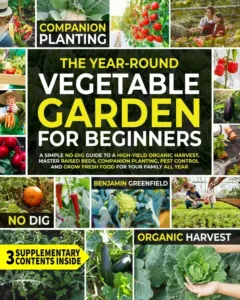
Check out the author’s book here: The Year-Round Vegetable Garden for Beginners.

Leave a Reply