

Every late winter, gardeners face a familiar struggle. They set up grow lights, buy heat mats and clear the dining table to start seeds indoors. For weeks, the fragile sprouts need babysitting. Damping-off is a constant worry, and so are tall, leggy stems. Finally, the plants must get used to the outdoor sun, one slow day at a time. All of this takes money, space and attention. Fortunately, there is a simpler way. Winter Sowing in Milk Jugs skips the indoor routine. Instead, it uses the winter cold to start strong plants without a single grow light.
In fact, the method is so simple that many beginners doubt it works. Essentially, you build a set of small greenhouses from recycled plastic jugs. Then you sow the seeds in winter, set them outside and mostly leave them alone until spring. University of Illinois Extension describes the same idea: the jugs act as miniature greenhouses, and the swings in temperature prepare the seeds to sprout at the right time. This guide covers the science, the materials and each step. As a result, you can free up your indoor space and still grow hardy seedlings.
The Science Behind Winter Sowing in Milk Jugs
To see why this works, look at how plants reproduce in the wild. A parent plant drops its seeds in autumn. Afterwards, those seeds lie on the ground all winter, through frost, snow and thaw. Then, when the spring sun warms the earth, they sprout.
In fact, many seeds need a period of cold and moisture to break dormancy. This process is called “cold stratification.” According to South Dakota State University Extension, seed packets often show it as a code such as “C30,” meaning 30 days of cold. The milk jug copies this natural cycle. Meanwhile, the plastic shields the seeds from birds, heavy rain and wind. For the soil side of the story, see Loam Soil Preparation: Understanding and Improving Your Garden’s Composition.
Why Choose Winter Sowing in Milk Jugs
Moving your seed starting outdoors has real advantages. Above all, it solves the usual headaches of indoor growing.
1. Eliminating the Hardening Off Process
Indoor seedlings grow up pampered. If you move them straight into the garden, the sun can scorch their leaves and the wind can snap their stems. So they usually need a week or two of gradual exposure; see Hardening Off Plants: How Much Stress Is Enough. By contrast, seedlings from jugs sprout outdoors. Illinois Extension notes that they harden off naturally. As a result, you can take them out of the jug and plant them.
2. Saving Money and Space
Grow lights, shelves and electricity bills add up quickly. This technique, however, uses no electricity at all. Moreover, you reuse plastic jugs that would otherwise be thrown away. For more ways to save, read Vegetable Gardening on a Budget: Saving Money on Seeds and Soil. Plus, your kitchen counters stay free of potting soil.
3. Creating Sturdier Plants
Indoor seedlings often stretch toward the lamp and turn weak and “leggy.” In contrast, plants in jugs get natural sunlight from the moment they emerge. Therefore, they tend to grow short and stocky. They also avoid the warm, still air that favors Damping Off Disease: How to Prevent Seedling Rot and Fungal Death.
Supplies for Winter Sowing in Milk Jugs
You don’t need a shopping spree to get started. In fact, you probably have most of the materials at home already.
The Right Containers
First, you need translucent plastic containers. Gallon milk jugs are the standard choice, since they let light in and leave headroom for growth. Similarly, clear water jugs, salad containers or two-liter soda bottles work well. Avoid opaque white or colored jugs, though. As a rule, if you can’t see the shadow of your hand through the plastic, it blocks too much light.
The Growing Medium
Never use topsoil or garden dirt in your jugs. Garden soil compacts in containers and can carry disease. Instead, use a light seed-starting or potting mix. A good mix holds moisture with peat or coir and drains well thanks to perlite. That way, the young roots can breathe. For more on blends, see Best Soil for Container Vegetables: Air Space Before Nutrients.
Winter Sowing in Milk Jugs, Step by Step
Each jug takes only a few minutes. So you can easily prepare a dozen on a Saturday afternoon in January or February.
Step 1: Drill the Drainage Holes
This is the most important step. If water can’t escape, the seeds will rot. First, turn the empty jug upside down. Next, use a drill, a hot soldering iron or a sharp knife to make several holes in the bottom. Also, poke a few small holes near the top to let excess heat escape.
Step 2: Cut the Jug
Next, cut the jug in half to add the soil, but leave a “hinge.” Start just below the handle. Then cut around the jug, stopping short of the handle. That uncut strip works as a hinge, so you can flip the top back.
Step 3: Add and Moisten the Soil
Fill the bottom half with three to four inches of mix. Then wet it thoroughly, because dry mix repels water. Pour water slowly and work it in with your hands until the mix feels like a damp sponge. In other words, a squeezed handful should release only a drop or two.
Step 4: Sow the Seeds
Sprinkle the seeds over the moist mix. Don’t bury them too deeply; instead, follow the depth on the packet. You can sow fairly densely, since you will divide the clumps later.
Step 5: Seal and Label
Close the top half and wrap duct tape around the seam. Then remove the plastic cap and throw it away. Leave the cap off. That way, rain and snow fall inside and water the seeds. Finally, label the jug. Since ordinary markers can fade in the sun, a paint pen or grease pencil is safer.
The Best Seeds for Winter Sowing in Milk Jugs
Not every plant enjoys a freezing start. For example, heat lovers like tomatoes and peppers don’t belong in a January jug. Instead, start with cold-hardy crops.
The Frost-Tolerant Champions
Winter sowing in milk jugs works best for plants that naturally sprout in cool spring weather.
- Leafy Greens: Spinach, kale, Swiss chard, and lettuce are perfect candidates.
- Brassicas: Broccoli, cabbage, and cauliflower thrive in these jugs. Refer to Growing Brassicas: Cultivating Broccoli and Its Relatives in Your Backyard for specific variety recommendations.
- Cold-Hardy Herbs: Parsley, cilantro, and oregano germinate beautifully in the cold.
- Native Perennial Flowers: Many natives, such as milkweed and echinacea, sprout better after cold stratification.
Illinois Extension suggests sowing frost-tolerant crops in January or February. Then, in March or April, you can sow frost-sensitive ones such as tomatoes and squash. To plan the rest of the year, see Seed Starting Calendar: How to Plan Your Vegetable Gardening Year.
Spring Care for Winter Sowing in Milk Jugs
Once the jugs are taped, place them outside in a sunny spot. Ideally, they should catch rain and snow without blowing over in the wind. After that, you wait.
Monitoring Moisture
At first, you will likely have little to do, since rain and snow keep the mix moist. However, the sun grows stronger as spring arrives. So check the jugs weekly through the spout. If the mix looks dry and pale, add a little water; SDSU suggests a spray bottle on the mist setting.
Venting the Heat
When the spring sun hits the plastic, the inside warms up quickly. This greenhouse effect helps the seeds sprout. Once they do, however, watch out for heat. On mild, sunny days, a closed jug can overheat. Illinois Extension advises opening the containers on sunny days and closing them at dusk. The same logic applies to Cold Frame Gardening: Build a Box That Feeds You Through Winter.
The “Hunk of Seedlings” Transplant Method
By mid-spring, the jugs look like crowded little jungles. At that point, the seedlings press against the top of the plastic. So it is time to move them into the garden. As a guide, SDSU suggests transplanting once they have two sets of true leaves, or about two inches of growth.
You don’t need to separate every tiny plant, which can damage the roots. Instead, use the “hunk of seedlings” method.
- Open the Jug: Remove the duct tape completely and fold the top back.
- Slide the Soil Out: Squeeze the sides of the bottom half to loosen the soil block. Slide the entire square of soil out of the jug.
- Divide into Chunks: Use your hands or a soil knife to break the square into smaller chunks, about the size of a brownie. Each chunk will contain three or four seedlings.
- Plant the Chunks: Dig a hole and plant the entire chunk.
The strongest seedling in each chunk will naturally dominate, or you can snip the weaker ones with scissors later. This rapid planting method saves hours of labor and ensures your garden beds fill in quickly.
Because the seeds sit outdoors, they tend to sprout when local conditions suit them. Still, keep an eye on late frosts after planting out. If you are unsure which crops to sow outside and which to start in trays, compare Direct Sow vs Transplant: Which Method is Better for Your Vegetable Garden?.
Why Winter Sowing in Milk Jugs Is Worth Trying
Winter Sowing in Milk Jugs changes the way you prepare for spring. It removes much of the stress, clutter and cost of indoor growing. Better still, it turns a dark January weekend into a gardening day.
When you let nature do the heavy lifting, the results are impressive. Typically, the seedlings have thick stems and deep green leaves, and they stand up well to spring weather. So start collecting empty milk jugs today. Then order some cold-hardy seeds, buy a bag of potting mix and get outside. In short, a little winter work gives you a head start the moment spring arrives.
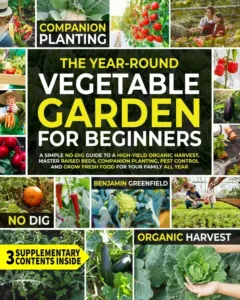
Check out the author’s book here: The Year-Round Vegetable Garden for Beginners.

Leave a Reply