

Every garden runs on two clocks, and only one of them hangs on the wall. The calendar says the first week of May, while the soil says beans must wait, and the soil decides. A Planting Schedule reconciles those two clocks, so seeds go in when the conditions suit them.
Most beginners build the schedule the wrong way round. They start from a packet, read “sow in spring” and hope for the best. That produces tomatoes set out into a late frost and lettuce bolting in July. A working Planting Schedule starts from your own frost dates, works backwards through days to maturity, and lands on a specific week for every crop you intend to grow. This guide shows the arithmetic, then walks the year month by month.
Planting Schedule at a Glance
| Element | What it means |
|---|---|
| The two anchors | Average last spring frost and average first autumn frost |
| The frost-free season | The days between them, typically 100 to 230 depending on region |
| The core sum | Harvest date minus days to maturity minus a safety margin |
| The autumn correction | Add roughly 14 to 18 days for shortening days and cooling soil |
| The three tiers | Hardy, half-hardy and tender crops, each with its own window |
| The record | A written plan, dated, corrected every season |
What a Planting Schedule Actually Does
A schedule is not a list of chores, nor a set of rules handed down by a seed company. It is a translation: each crop prefers a temperature range and needs a span of time, and your garden offers a matching window. The schedule matches one to the other.
That matters because a plant put in outside its window rarely recovers. Peas sown in June germinate unevenly and collapse in the heat, whereas March sowings produce a crop worth picking. Nothing about the gardener changed, only the date, and timing is the cheapest input available, since it costs nothing and it outperforms almost every amendment you could buy.
The Two Dates Everything Hangs On
Before a single entry goes on the calendar, you need two numbers for your own location. Everything else in the Planting Schedule is calculated from them.
Last Frost and First Frost
The last spring frost marks the point when freezing nights become unlikely, and it opens the door for tender crops. The first autumn frost closes that door again; between them lies your frost-free season, and its length varies enormously. Illinois Extension notes in its guide to when to plant that southern Illinois averages 215 frost-free days while the north of the same state averages 180, a difference of five weeks inside one state.
Your local extension service publishes these dates by county or postcode. If you want the full method for pinning down the autumn end of the season, First Frost Date works through it in detail.
Why Averages Are Not Promises
An average last frost date means the frost has passed by then in roughly half of years. So the date is a midpoint, not a guarantee, and half the time it arrives late. Experienced gardeners therefore treat the date as the start of a window instead of a starting gun.
The practical answer is to hedge: plant half your tomatoes on the nominal date and the rest ten days later. A late frost then costs you part of the crop rather than all of it. Keep floating row covers within reach for the first fortnight after transplanting.
Reading the Season From the Soil, Not the Calendar
Air temperature is what you feel, although soil temperature is what the seed responds to. A bean seed in cold ground does not wait politely; it sits there absorbing water until it rots. The University of Maryland Extension puts the threshold plainly in its guide to when to plant vegetables, noting that beans, cucumbers and melons want soil of at least 60°F before they will germinate reliably.
A cheap soil thermometer settles more arguments than any forum thread. Four inches down, read it for three mornings running, and plant once the average clears the crop’s minimum. Soil Temperature for Planting lists the thresholds crop by crop, and it is the single tool that turns a paper Planting Schedule into something the garden agrees with.
Building Your Planting Schedule Backwards
Beginners plan forwards, from today towards the harvest, and they consistently plant late as a result. The professional habit runs the other way, from the harvest you want back to the day the seed goes in.
The Days to Maturity Sum
Every packet carries a days-to-maturity figure, and the number means different things depending on the crop. For lettuce, radish and most leafy greens it counts from sowing, whereas for brassicas it counts from the transplant date. Confusing the two puts a month of error into the plan.
So the sum is simple once you know which clock you are reading. Take your target harvest date, subtract the days to maturity, then subtract a buffer week for slow growth. Reading Seed Packets unpacks the rest of the information printed on the back, most of which beginners ignore.
The Autumn Correction Nobody Applies
Here is the step that separates a working autumn garden from a disappointing one. Days shorten after midsummer and soil cools, so a June crop of 55 days may need 70 in September. The maturity figure on the packet assumes summer light.
The University of Georgia builds the correction straight into its vegetable garden calendar, which sets the autumn planting date at the frost date minus days to maturity plus a further 18 days. Maryland uses a similar short-day factor of about 14 days. Either way the message is the same: for autumn crops, plant earlier than the arithmetic first suggests.
The Planting Schedule From January to March
Winter is when the plan gets written, and late winter is when it starts to move. Very little goes into open ground yet, though the decisions made now shape the whole season.
January belongs to paperwork. Order seed while the catalogues are full, sketch the beds, and check what followed what last year. Vegetable Crop Rotation explains why that sequence matters more than it looks, and Vegetable Garden Layout Ideas for Beginners helps turn the sketch into spacing that works.
February brings the first sowings under cover, since peppers and aubergines want eight weeks of indoor growth before transplant size, while tomatoes want about six. Seed Starting Calendar turns those counts into actual dates for your frost date, and Winter Sowing in Milk Jugs offers an outdoor alternative for hardy species.
March opens the ground in most temperate regions. As soon as the soil crumbles rather than smears, peas, spinach, radishes, onion sets and early potatoes can go in. Spring Garden Preparation Checklist covers the bed work that should happen first.
The Planting Schedule From April to June
This is the crowded quarter, and it is where a written plan earns its keep. Two things happen at once: the cool-season crops are still going in while the tender ones are queuing behind them.
Hardening off comes before any transplant leaves the windowsill. Give seedlings a week or two of graduated outdoor exposure, since a plant moved straight into open sun often dies. Hardening Off Plants sets out the daily routine.
Once frost risk passes and soil clears 60°F, the warm-season block goes in together: beans, sweetcorn, squash, cucumbers, tomatoes, peppers. Some of those belong in the ground as seed and others as transplants, which is a distinction worth getting right, since Direct Sow vs Transplant shows how much yield hangs on it. Sweetcorn needs a block of at least two rows rather than one line, since it relies on wind pollination.
June is for filling gaps rather than starting over. As early peas and radishes finish, the space they leave should be replanted within the week, and Succession Planting explains how to keep that rotation moving without exhausting the bed.
The Planting Schedule From July to September
Most gardeners stop planting in July, and that single habit costs them the entire autumn harvest. The Planting Schedule should be at its busiest precisely when the summer crops look most impressive.
July is the month to sow brassicas for autumn. Sowing cool-season crops in high heat feels backwards, yet broccoli, cabbage, kale and cauliflower must start now. Growing Brassicas covers their particular demands, and shade over the seedbed makes germination far more reliable.
August carries hard deadlines, and Georgia’s calendar puts snap beans and potatoes in by mid-August and cucumbers and squash by the end of the month, and each region has its own version of those cut-offs. Direct-sown autumn crops such as beetroot, carrots, chard, spinach and lettuce go in through this window too, as Utah State sets out in its fall garden calendar.
September shifts from sowing to transplanting and protecting. Lettuce and brassica transplants still have time, while everything tender is now on borrowed days. Fall Vegetable Gardening Guide takes the autumn end of the season further than there is room for here.
The Planting Schedule From October to December
Autumn planting is not an afterthought; it is an investment in next season. Several crops planted now produce nothing until spring, and they outperform anything sown later.
Garlic is the clearest case: cloves go in around the first frost so they root before dormancy and then race away in spring, which is why Planting Garlic Bulbs treats autumn as the only sensible window. Overwintering onions and broad beans follow the same logic.
Any bed finishing for the year should not sit bare. A cover crop of rye, vetch or clover holds the soil, feeds it and suppresses weeds until spring, and Green Manure Cover Crops matches species to purpose and covers fertility as well as protection.
November and December return the schedule to paper. Review what worked, record the dates that were wrong, and order seed early while supply is good.
Keeping the Beds Full Between the Dates
A schedule built only around frost dates still leaves the garden half empty for weeks at a time. Succession fixes that, and it works in three ways at once.
- Staggered sowings. Sow a short row of lettuce or beans every two or three weeks, not one long row.
- Fast followers. Drop a 30-day crop such as radish or rocket into any gap that opens mid-season.
- Paired maturities. Sow an early and a late variety of the same crop together and harvest them a month apart.
Intensive spacing multiplies the effect, since beds planted closely leave fewer gaps for weeds and produce more per square foot. Intensive Gardening works through the spacing maths, and Vegetable Companion Planting Chart: Boost Growth and Repel Pests covers which neighbours tolerate that density.
Hardy, Half-Hardy and Tender: The Three Tiers
Sorting crops into three tiers turns a long list of dates into something you can hold in your head.
- Hardy. Peas, spinach, kale, onions and broad beans tolerate frost and go in weeks before the last frost date.
- Half-hardy. Carrots, beetroot, lettuce and potatoes take a light frost but not a hard one. They go in about a fortnight after the hardy tier.
- Tender. Beans, sweetcorn, cucumbers, squash, tomatoes and peppers are killed by frost, and they wait until soil warms properly.
Several hardy crops improve after cold: kale, parsnips and Brussels sprouts convert starch to sugar under frost, which is why an autumn Planting Schedule aims to have them standing when the first freeze arrives rather than harvested before it.
Where a Planting Schedule Usually Breaks
Three failures account for most disappointing seasons, and all three are timing problems rather than skill problems.
Everything goes in on one weekend. A garden planted in one burst also matures in one burst. The result is a glut, and then beds that sit empty. Stagger the sowings instead, even by a fortnight.
Cool-season crops meet summer heat. Lettuce, spinach and coriander run to seed once days lengthen and temperatures climb. What Is Bolting explains the trigger, and the fix is nearly always an earlier sowing or a later one.
The autumn window closes unnoticed. Gardeners who sow autumn crops in September, not July, watch them stall half grown. Work the dates backwards from frost, as above, and the problem disappears.
Writing It Down and Keeping It
A schedule that lives in your memory is not a schedule. Write it once, then correct it every year, because your own records beat any published table for your specific garden.
A notebook is enough, although a spreadsheet sorts better when the crop list grows. Record the sowing date, the transplant date, the first harvest and a one-line verdict. After two seasons you will have a calendar tuned to your own soil. Garden Journal Template gives a structure to copy.
Season extension buys extra weeks at both ends. Cold frames, cloches and low tunnels lift the effective zone of a bed, and Penn State covers the mechanics in its guide to season extenders and growing fall vegetables. Cold Frame Gardening is the practical build.
Planting Schedule FAQ
When should I start building my Planting Schedule?
Midwinter, before the first seeds are ordered. Planning in January costs an afternoon, whereas planning in April means taking whatever the garden centre has left.
How far off can an average frost date be?
Comfortably two weeks in either direction, and occasionally more. Treat the published date as the middle of a window rather than a firm boundary, and stagger tender plantings across it.
Do I need a different schedule for containers and raised beds?
The dates shift slightly rather than fundamentally, since both warm faster in spring and cool faster in autumn, so you start earlier and finish sooner.
Can I still plant if I have missed a window?
Often yes, with a shorter variety. Days to maturity varies widely within a crop, so a 55-day cabbage rescues plantings an 80-day one would lose.
Why do my autumn crops grow so much slower?
Light and soil temperature both fall steadily from August onwards, so growth slows even when the weather feels mild. That is exactly what the 14 to 18 day autumn correction accounts for.
How many sowings of one crop is sensible?
Three to five staggered sowings suits most salad and bean crops over a season. Longer-season crops such as tomatoes or winter squash need only one, because their harvest window is already long.
Should the schedule change every year?
It should evolve rather than reset, so keep the structure, adjust the dates by what your notes record, and a local calendar emerges within three seasons.
The Schedule Is a Draft, Not a Contract
A Planting Schedule works because it forces decisions in January that would otherwise be made badly in May. It does not make the weather obedient, and no plan survives a cold wet spring untouched. What it gives you is a default to depart from, which beats improvising from scratch every weekend.
Start with the two frost dates, sort your crops into the three tiers, and run the maturity sum backwards. Write it down, plant in stages rather than in one push, and note what actually happened. Starting a Vegetable Garden covers the rest of the first-year ground work, and Vegetables to Plant in Spring is the natural next step once the dates are set. The calendar on the wall will never match the one in the soil, though good notes bring yours close.
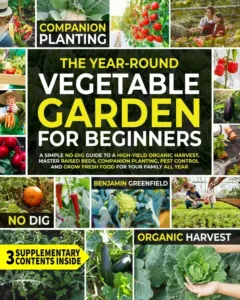
Check out the author’s book here: The Year-Round Vegetable Garden for Beginners.

Leave a Reply