
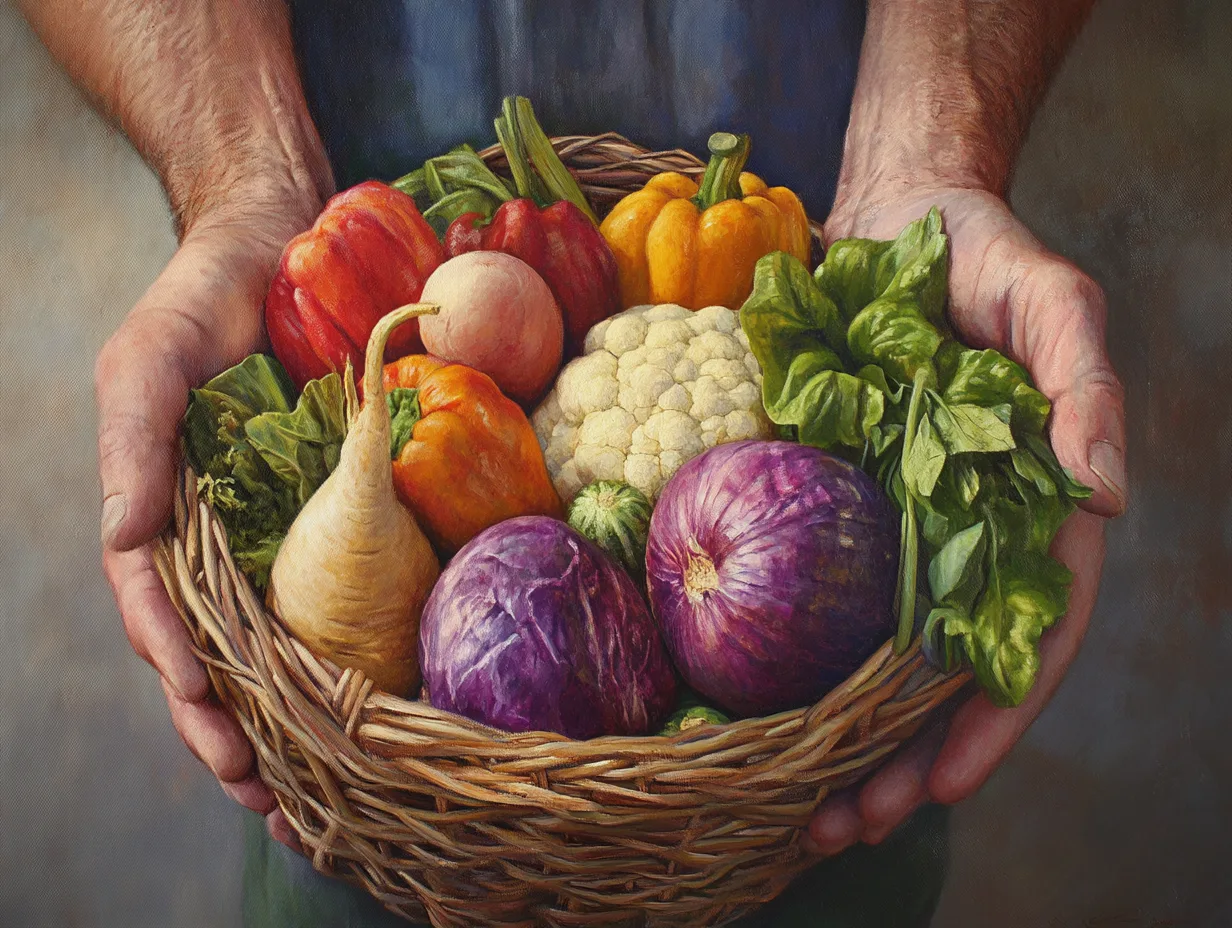
Essential Tips for Healthier Produce
Maximizing Nutrient Density in Homegrown Vegetables has become an increasingly popular goal for gardeners seeking healthier, more flavorful harvests. Careful variety choice, fertile soil, and good growing conditions all help. Together, they can boost the vitamins, minerals, and antioxidants in your harvest. This blog post provides a comprehensive guide—from choosing the best seeds to implementing sustainable fertilization and irrigation techniques. So if you want richer, tastier produce with more nutritional punch, read on.
Understanding Nutrient Density and Its Importance
Nutrient density is the amount of vitamins, minerals, and other beneficial compounds a food holds per calorie. When homegrown vegetables are highly nutrient-dense, you get more health benefits in each bite. This matters because store-bought produce often travels long distances. Indeed, Clemson’s Home & Garden Information Center notes that food picked at harvest is eaten at its optimal nutritional value.
Why Nutrient Density Matters
- Better Health Outcomes: A diet rich in vitamins, minerals, and antioxidants supports immune function, heart health, and overall well-being.
- Improved Flavor: Many beneficial plant compounds also contribute to richer, more complex flavors. In fact, tastier vegetables often correlate with higher nutrient density.
- Reduced Food Miles: Growing nutrient-rich produce at home helps cut down on transportation emissions and ensures you’re enjoying the freshest possible vegetables.
For the basics, see Starting a Vegetable Garden: A Checklist for Newbies.
Selecting Varieties for Maximizing Nutrient Density in Homegrown Vegetables
First, choosing the right crops is the first step toward Maximizing Nutrient Density in Homegrown Vegetables. While almost every vegetable offers some health benefits, some varieties stand out for their exceptional nutrient profiles.
Heirloom vs. Hybrid Varieties
- Heirloom Vegetables: These often boast robust flavors, since gardeners selected them over generations. On the downside, they may be more prone to disease, and yields vary.
- Hybrid Varieties: These are usually bred for disease resistance and steady yields. However, some lack the depth of flavor found in certain heirlooms.
For more insight into seed selection, including the balance between heirloom character and modern resilience, see our post Heirloom vs. Hybrid: Choosing the Best Vegetable Varieties for Your Garden.
Top Choices for Nutrient-Dense Vegetables
- Leafy Greens: Kale, spinach, and collard greens are loaded with vitamins A, C, and K, as well as iron and calcium.
- Cruciferous Veggies: Broccoli, cauliflower, and Brussels sprouts contain high levels of antioxidants like sulforaphane, which support detoxification.
- Colorful Roots: Beets and carrots provide anthocyanins and beta-carotene, respectively. Also, look for multi-colored varieties for added phytonutrients.
- Tomatoes and Peppers: Rich in antioxidants like lycopene and vitamin C, these fruits (commonly treated as vegetables) thrive in sunny conditions.
Soil: The Base for Maximizing Nutrient Density in Homegrown Vegetables
The foundation for Maximizing Nutrient Density in Homegrown Vegetables is the soil itself. After all, a thriving microbiome and balanced minerals help plants absorb the nutrients they need.
Key Soil Components for Nutrient Density
- Organic Matter: Compost, well-rotted manure, and leaf mold enrich the soil with the humus and microbes necessary for robust growth.
- Balanced pH: Most vegetables prefer slightly acidic to neutral pH (around 6.0–7.0). Conduct a simple soil test and adjust using lime or sulfur, as Soil pH Level: Testing and Balancing for Maximum Yield explains.
- Adequate Mineral Content: Calcium, magnesium, potassium, and trace elements like boron or zinc are crucial. Therefore, supplement if tests show deficiencies.
Enhancing Soil Fertility Naturally
- Composting: Boosts microbial diversity and improves soil structure. It also recycles kitchen scraps into a valuable amendment. Start with Composting 101: A Beginner’s Guide to Black Gold.
- Green Manure and Cover Crops: Planting legumes or grasses between main growing seasons adds nitrogen and reduces weeds. They also improve soil texture and reduce erosion. See Green Manure Cover Crops.
- Worm Castings: Provides a highly concentrated source of nutrients and beneficial microbes. In addition, you can use them in transplant holes or as a top dressing.
To manage weeds without harming soil life, see Natural Weed Control Methods.
Intelligent Irrigation and Watering Techniques
Water is essential. However, overwatering or uneven watering can leach nutrients from the soil and stress plants.
Best Practices for Watering
- Consistent, Moderate Irrigation: Aim to keep soil evenly moist. Infrequent but deep watering is often better than daily light sprinkling. See Efficient Watering Techniques for Sustainable Vegetable Gardening.
- Drip Irrigation Systems: Deliver water directly to the root zone, reducing evaporation and leaf moisture that can foster fungal diseases.
- Rainwater Harvesting: Collecting rainwater in barrels can provide a cleaner, less chemically treated water source. Check local regulations first, and read Rainwater Harvesting for Vegetable Gardens: What One Barrel Actually Waters.
Mulching to Conserve Moisture
- Organic Mulches: Straw, wood chips, or shredded leaves reduce evaporation and add organic matter. For depth, see Organic Garden Mulch.
- Inorganic Mulches: Landscape fabric or plastic mulch can also help retain moisture, though they don’t contribute nutrients.
- Weed Suppression: Mulch also helps curb weeds that compete for nutrients.
The Role of Sunlight and Microclimates
Above all, ample sunshine drives photosynthesis, directly influencing how effectively plants synthesize and store nutrients. As a result, a balanced microclimate ensures that vegetables neither scorch nor languish in shade.
Positioning for Optimal Light
- Full Sun: Most fruiting vegetables (tomatoes, peppers, cucumbers) need 6–8 hours of direct sunlight daily.
- Partial Shade: Leafy greens can thrive with just 4–6 hours of sun, making them suitable for edges of the garden or areas with dappled light.
- Reflective Materials: Using light-colored mulch or reflective panels can increase light exposure in partially shaded spots.
Wind and Temperature Management
- Windbreaks: Tall plants, shrubs, or fencing can shield delicate vegetables from harsh winds that strip moisture and reduce growth.
- Row Covers: Lightweight fabric can keep young plants warm in cool climates, extending the growing season and boosting nutrient accumulation.
- Shade Cloth: In hot regions, partial shade cloth reduces heat stress, helping plants maintain robust photosynthesis and nutrient uptake.
Advanced Fertilization Strategies for Maximum Nutrient Density
Moreover, even with great soil and smart watering, certain fertilization tactics can help optimize nutrient availability. In general, organic fertilizers often work best, releasing nutrients gradually and improving soil structure.
Organic vs. Synthetic Fertilizers
- Organic Options: These build long-term soil health and feed beneficial microbes. On the other hand, they release nutrients slowly and can cost more.
- Synthetic Options: These release nutrients at once, and dosing is easy. Still, they can cause over-fertilization and salt buildup if misapplied.
Timing and Application Methods
- Pre-Planting Amendments: Incorporate compost or balanced organic fertilizer a few weeks before planting to let nutrients stabilize.
- Side-Dressing: Apply granular fertilizer around the base of established plants to feed them throughout the growing season.
- Foliar Feeding: Spraying diluted seaweed or fish emulsion on leaves can quickly address minor deficiencies. However, use it sparingly to avoid leaf burn, and follow label instructions carefully.
In short, feed the soil first and the plants second.
Pest and Disease Management Without Compromising Nutrition
Unfortunately, pesticides—especially synthetic ones—can impact soil life and potentially undermine the natural processes that produce nutrient-rich vegetables. Instead, an integrated, eco-friendly approach balances plant health and soil biodiversity.
Natural and Biological Controls
- Companion Planting: Grow pest-repelling plants (e.g., marigolds, basil, or nasturtiums) near vulnerable vegetables. In addition, this method supports pollinators and deters common pests.
- Beneficial Insects: Ladybugs, lacewings, and praying mantises can keep aphids, mites, and other destructive insects in check.
- Crop Rotation: Moving plant families each year reduces pests and soilborne diseases, as Vegetable Crop Rotation explains.
Minimal, Targeted Use of Organic Sprays
- Neem Oil: Controls a variety of pests and fungi, while sparing beneficial insects when applied carefully.
- Bacillus thuringiensis (Bt): A bacterial solution effective against caterpillars and other larvae. Even so, use it only where you see active infestations.
- Insecticidal Soap: Mild but can knock down aphids, thrips, or mites. Rinse off residue to avoid harming leaves in strong sunlight.
For more, read Organic Pest Management: Eco-Friendly Solutions for the Vegetable Garden.
Harvesting for Optimal Nutrient Content
When it comes to Maximizing Nutrient Density in Homegrown Vegetables, timing the harvest correctly is crucial. Vegetables often contain peak levels of vitamins, minerals, and antioxidants at specific stages of maturity.
Ideal Harvest Windows
- Early Morning: Penn State Extension advises picking early in the morning, when produce is coolest and fully hydrated.
- Vine-Ripened vs. Store-Ripened: Tomatoes, peppers, and other fruits develop their best flavor when they ripen on the plant. Season matters too: Clemson cites a finding that fall broccoli has nearly twice the vitamin C of spring broccoli.
- Tender Greens: Lettuce, spinach, and kale are at their sweetest and most nutrient-rich before they begin bolting or yellowing.
Minimizing Post-Harvest Losses
- Immediate Cooling: Prompt cooling slows vitamin loss. In fact, Penn State notes that a one-hour delay in cooling can cut shelf life by a day or more.
- Gentle Handling: According to Penn State, bruises and cuts speed the loss of nutrients such as vitamin C. So handle produce with care.
- Washing and Storage: Clean produce under cool, running water. Pat dry and store in breathable bags or containers to allow proper air circulation and maintain crispness.
Cooking and Preservation to Retain Nutrients
Similarly, even after harvesting, how you cook or preserve your vegetables can significantly influence nutrient retention. In other words, proper techniques help you get the most from each serving.
Quick, Minimal-Heat Cooking
- Light Steaming or Sautéing: Retains more water-soluble vitamins (like vitamin C) compared to boiling.
- Roasting: Concentrates flavors and can preserve fat-soluble vitamins better than prolonged boiling.
- Raw Consumption: Some vegetables (e.g., peppers, cucumbers) maintain the highest vitamin content when eaten fresh.
Effective Preservation Methods
- Freezing: Blanch vegetables briefly to inactivate enzymes, then freeze quickly to lock in nutrients.
- Fermenting: The fermentation process can boost certain beneficial compounds and introduce probiotics. Sauerkraut or fermented pickles are prime examples.
- Dehydration: Drying intensifies flavor and preserves some nutrients, though vitamins sensitive to oxidation (like vitamin C) may decline.
For evidence-based nutrition information, see The Nutrition Source from the Harvard T.H. Chan School of Public Health.
Leveraging Technology and Garden Data
Today, gadgets and apps can track growth cycles, soil conditions, and yields. As a result, your adjustments become more precise.
Helpful Tech Tools
- Soil Test Kits and Sensors: Real-time data on pH, moisture, and nutrient levels guide on-the-spot corrections.
- Garden Planning Apps: Platforms that record sowing dates, spacing, and yield, which you can review yearly for improvements.
- Weather Stations: Small, affordable weather monitors measure rainfall, temperature, and humidity, so you can adapt irrigation and pest prevention strategies quickly.
Data-Driven Adjustments
- Weekly or Monthly Checks: Keep logs of each bed’s status—any pest sightings, signs of nutrient deficiency, or changes in plant vigor.
- Soil Amendments Schedule: Instead of a one-size-fits-all approach, use sensor data to determine the frequency and amount of added compost or fertilizers.
Approaches That Prioritize Nutrient Density
Different kinds of gardens apply these ideas in different ways. For example:
- Urban Container Gardens: These rely on quality potting mix with compost. In addition, drip irrigation keeps moisture steady and limits nutrient leaching.
- Rural Homestead Plots: These often use permaculture principles and cover crops to build long-term soil fertility.
- Community-Supported Agriculture (CSA) Projects: These typically promote biodiversity with frequent rotation and minimal tillage.
Summarizing Strategies for Nutrient-Dense Harvests
Maximizing Nutrient Density in Homegrown Vegetables relies on a multi-pronged approach. From seed selection to post-harvest handling, each step influences the vitamins, minerals, and antioxidants in your produce. Focus on soil fertility, well-timed watering and feeding, organic pest control, and harvests at peak ripeness. That way, your vegetables will burst with flavor and nutrition. Emphasize organic soil amendments, mindful watering methods, and gentle harvest and storage techniques for the best possible outcomes. Ultimately, you will enjoy both healthier and tastier homegrown veggies.
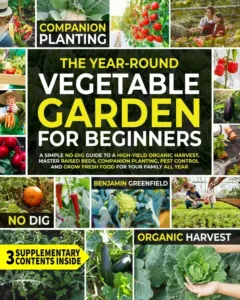
Check out the author’s book here: The Year-Round Vegetable Garden for Beginners

Leave a Reply