

Growing fresh, sweet tomatoes represents the ultimate rite of passage for backyard farmers. Traditional indeterminate vines, however, grow incredibly tall and quickly overwhelm small patios. Consequently, urban growers often abandon their agricultural dreams out of sheer spatial frustration. Fortunately, a revolutionary class of compact plants completely solves this modern logistical dilemma. Dwarf Tomato Varieties combine the manageable, short stature of bush cultivars with the outstanding gourmet flavor of heritage heirlooms. Specifically, these rugose-leafed powerhouses remain under four feet tall while producing massive, full-sized slicing fruits. This comprehensive guide uncovers the exact scientific mechanics of small-space cultivation. First, we will examine the fascinating history of the Dwarf Tomato Project. Next, discover exactly which specific cultivars thrive beautifully inside standard containers. Finally, master managing your compact vines to secure an incredibly heavy, delicious harvest this summer.
The Genetics of the Dwarf Tomato Project
Understanding the origins of these compact plants prevents common buying mistakes. Historically, container gardeners had to settle for bland, watery “patio” cultivars that lacked any complex flavor. To fix this culinary void, a dedicated group of international breeders launched the highly collaborative Dwarf Tomato Project. Specifically, volunteers cross-pollinated giant heirloom tomatoes with sturdy, dwarf plants to isolate optimal traits. The resulting offspring maintain thick, strong central stems and beautiful, dark green, heavily crinkled foliage. Furthermore, these unique cultivars continue producing heavy flushes of gourmet fruit all season long. Accessing these incredible genetics enables anyone to establish a highly productive, low-maintenance urban farm on a balcony. For an in-depth exploration of how growth habits differ, reviewing Determinate vs Indeterminate Tomatoes: Choosing the Right Variety provides essential, foundational clarity.
The Staggering Financial Benefits of Container Growing
Urban cultivation should never require spending a massive fortune on bulky physical infrastructure. Constructing giant, heavy wooden raised beds costs significant money and demands ample open yard space. Conversely, growing compact plants in pots represents an incredibly cheap, highly accessible alternative. Resourceful beginners can easily repurpose five-gallon plastic buckets or fabric grow bags into highly efficient containers. Saving money on expensive building materials allows you to invest your hard-earned funds much more wisely elsewhere. Specifically, you can purchase premium, high-quality organic seeds instead of pre-made hardware frames. This deliberate financial shift aligns perfectly with the smart money-saving strategies detailed in Vegetable Gardening on a Budget: Saving Money on Seeds and Soil. Ultimately, prioritizing intense soil fertility yields vastly superior harvests compared to building fancy, expensive wooden containment boxes.
Preparing for the Growing Season
Initiating your indoor seed-starting journey requires close, highly organized strategic planning. You simply cannot throw seeds randomly into the dirt in March and expect flawless summer success. Instead, you must map out a precise schedule based on your region’s last expected spring frost. Typically, starting your tomato seeds indoors six to eight weeks before that date yields the best results. Standard plastic cell trays and a high-quality seed-starting mix establish the perfect initial environment. Providing consistent, gentle bottom heat using a waterproof germination mat accelerates sprouting dramatically. If you want a complete, step-by-step checklist to prepare your entire property for spring, reviewing Starting a Vegetable Garden: A Checklist for Newbies helps immensely. Proper organization prevents chaotic, uneven growth once the warm weather finally arrives.
Preventing Leggy Seedlings Indoors
Pampered indoor seedlings frequently suffer from a highly frustrating, common structural weakness. A lack of adequate, intense light forces the young plants to stretch upward aggressively. Consequently, they develop thin, spindly, and pale green stalks that flop over easily under a light breeze. Many beginners mistakenly assume that placing trays near a bright window sill provides enough solar energy. In reality, winter window light remains far too weak and inconsistent to build tough, woody stems. Installing an inexpensive LED shop light just two inches above the foliage resolves this issue flawlessly. If your seedlings have already become thin and fragile, do not panic immediately. Discovering the exact biological remedies for weak stems is detailed beautifully in Leggy Seedlings: How to Fix Weak Plant Stems.
Siting and Solar Requirements
Once the spring frost danger vanishes completely, your hardened transplants must move outdoors. Selecting the absolute brightest location on your patio represents your primary outdoor duty. Tomatoes are highly efficient, solar-powered machines that require massive amounts of light to synthesize sugars. Therefore, position your containers where they will receive at least eight hours of direct, unobstructed daily sun. A south-facing wall or open concrete driveway acts like a powerful heat sink, warming the containers beautifully. However, intense summer heatwaves can occasionally bake the soil inside dark plastic pots dangerously fast. Providing temporary afternoon shade during triple-digit weather protects the fragile root systems from severe thermal shock.
Selecting the Perfect Container Soil Medium
Using cheap, heavy backyard dirt inside a confined plastic container is a recipe for instant disaster. Compacted clay suffocates delicate root hairs rapidly, preventing them from absorbing essential oxygen. Furthermore, poor drainage traps stagnant water, which triggers devastating root-rotting pathogens. You must absolutely utilize a lightweight, highly aerated, and deeply fertile potting medium. Blending a custom recipe of peat moss, coarse vermiculite, and premium organic compost creates the ultimate biological sponge. This porous structure allows water to drain freely while holding onto essential trace minerals. For the absolute perfect ratio of ingredients, consult our guide on Raised Bed Soil Mix: The Perfect Ratio for Growth. Engineering a high-performance soil ensures your dwarf plants flourish without fighting physical soil compaction.
Outstanding Dwarf Tomato Varieties for Home Growers
Modern agricultural catalogs now offer dozens of spectacular, stable dwarf varieties to choose from. Selecting the correct genetic variety ensures you harvest fruits that perfectly match your personal culinary preferences. First, the highly celebrated ‘Rosella Purple’ produces massive, deep purple slicing tomatoes on a compact three-foot vine. Its flavor is remarkably rich, sweet, and smoky, rivaling the legendary ‘Cherokee Purple’ heirloom. Next, ‘Dwarf Sweet Sue’ yields stunning, bright yellow, medium-sized fruits with an incredibly sweet, tropical taste. If you prefer rich, complex chocolate tones, ‘Tasman Chocolate’ provides heavy flushes of beautiful mahogany-skinned tomatoes. Finally, ‘Dwarf Wild Fred’ offers deep purple, oblate slicing fruits that handle hot, humid weather exceptionally well. Planting a diverse mix of these unique colors adds incredible gourmet flair to your kitchen.
Watering Routines and Evaporation Control
Consistent soil moisture heavily influences the final yield and structural health of your crop. Because pots have limited volume, they dry out significantly faster than traditional in-ground garden beds. If the soil swings wildly between bone-dry dust and soaking wet mud, the expanding tomatoes will split open. Consequently, you must establish a steady, highly disciplined watering routine during the hot summer months. Always water at the absolute base of the plant to keep the delicate foliage dry. Wet leaves actively invite devastating fungal diseases like septoria leaf spot to multiply. Furthermore, applying a thick layer of organic straw mulch over the soil surface locks moisture in beautifully. This simple physical blanket protects the shallow roots, keeping them cool during blistering August heatwaves.
Organic Feeding and Microbe Multiplication
Heavy-producing tomatoes require massive amounts of continuous nutritional support to swell their heavy fruits. However, pouring harsh chemical fertilizers into your containers will burn the delicate roots instantly. Utilizing slow-release natural amendments builds long-term subterranean fertility without any dangerous chemical side effects. Top-dressing the soil surface with rich worm castings every three weeks provides a steady, gentle stream of macronutrients. Additionally, applying liquid organic drenches delivers an immediate energy boost during the peak of summer. Mixing a highly active, bubbling liquid feed supercharges your soil’s beneficial microbial population. If you want to brew this incredible plant fuel at home, follow our Compost Tea Recipe: Brewing Liquid Gold for Your Plants. Teeming microbes break down organic materials rapidly, making minerals instantly available to your hungry roots.
Defending Against Pests Organically
Growing tomatoes inside a confined urban space unfortunately does not make them entirely invisible to pests. Pungent allium companion plants or strongly scented flowers help confuse flying insects, but some invaders will eventually arrive. The notorious tomato hornworm can effortlessly strip a compact dwarf plant bare in a single night. Fortunately, defending your harvest organically is highly effective and simple. Hand-picking these massive, camouflaged green caterpillars at night using a UV blacklight remains the safest removal method. For a comprehensive, deeply eco-friendly look at managing these invaders, study Organic Pest Management: Eco-Friendly Solutions for the Vegetable Garden. Maintaining a balanced, diverse garden ecosystem naturally prevents minor insect issues from escalating into major disasters.
Identifying Peak Ripeness
Patience truly becomes a massive, rewarding virtue as late summer approaches. You must learn to read the subtle biological cues that indicate your tomatoes are ready to pick. Squeezing the fruit gently provides a much more accurate test than merely looking at the color. A perfectly ripe tomato should feel slightly soft to the touch, giving slightly under gentle pressure. Furthermore, harvesting them slightly early at the “breaker stage”—when they just begin to change color—prevents splitting. Let them finish ripening safely on your kitchen counter, away from hungry birds. To master these delicate signs of maturity, consult our comprehensive A Beginner’s Guide to Harvesting Vegetables: Knowing When to Pick. Knowing exactly when to pick locks in the absolute peak of sweetness and flavor.
Academic Validation of Dwarf Cultivation
The remarkable productivity of dwarf tomatoes is heavily supported by modern horticultural science. Leading botanical institutions continuously study these compact genetics to help urban growers maximize limited city spaces. According to extensive field research published by the Oregon State University Extension Service, dwarf cultivars produce exceptionally high yields per square foot compared to traditional, sprawling indeterminate varieties. Their rigorous academic data demonstrates conclusively that compact root systems thrive beautifully inside containers, provided they receive consistent hydration and nutrition. This scientific validation gives home gardeners ultimate confidence. You are not merely experimenting with a trendy gardening hobby; you are executing a highly proven, ecologically sound agricultural strategy.
Making Room for Dwarf Tomato Varieties
Transitioning your property toward compact, heavy-yielding varieties completely redefines your relationship with summer gardening. You permanently escape the exhausting chore of building six-foot-tall trellis frames or constantly pruning wild suckers. Instead, you step back proudly and manage a neat, highly productive container farm that practically runs itself. The initial seed-starting phase undoubtedly requires patience, proper soil prep, and careful light management. Yet, the staggering visual and culinary rewards easily justify every single drop of sweat. Walking outside to harvest baskets of deep purple, chocolate, and bright yellow slicing tomatoes directly from your patio is incredibly satisfying. Focus on high-quality soil, water consistently, and select your favorite dwarf seeds today. By actively respecting the unique genetics of these compact plants, you guarantee your small space will overflow with vibrant, gourmet abundance for years to come.
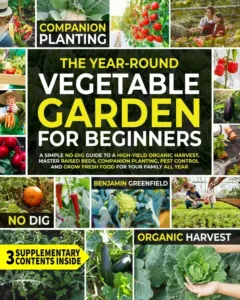
Check out the author’s book here: The Year-Round Vegetable Garden for Beginners.

Leave a Reply