

Standing in front of a seed display can leave you frozen. You see bright photos of slicers, cherries and paste tomatoes. Yet the fine print hides two terms that shape the whole season. The choice of determinate vs indeterminate tomatoes is more than botanical trivia. It sets your harvest schedule, your support system and the space you need. The wrong choice can mean a jungle of vines, or a harvest that arrives all at once before you are ready.
In fact, the two habits follow very different strategies. One behaves like a tidy shrub. The other acts like a vine that keeps going until frost. To choose well, you need to know your own goals. This guide explains each type, so you can match your varieties to your space and your plans.
Determinate vs Indeterminate Tomatoes: How Each One Grows
The key lies in how the plant treats its growing tips. As University of Maryland Extension puts it, determinate plants stop growing at a certain height, while indeterminate vines keep growing until frost or disease kills them. If you are new to growing food, Starting a Vegetable Garden: A Checklist for Newbies covers the basics.
Determinate varieties have a set height. The tip of each branch ends in a flower cluster, which stops that stem from growing longer. Consequently, the plant stays bushy and compact. Conversely, the main tip of an indeterminate plant keeps making leaves. Its flowers form along the sides of the stem, so the vine keeps growing while the weather stays warm. This difference affects everything, from your yield to the cage or trellis you need.
The Determinate Advantage: Precision and Potency
Determinate tomatoes, often called “bush” tomatoes, are the classic choice for processing. In a small garden, they offer a predictability that vining types can’t match.
Compact Habit and Space Efficiency
Most determinate varieties stay around three to four feet tall. This makes them a good fit for pots, along with the compact types in Dwarf Tomato Varieties: Heavy Yields for Small Spaces and Containers. Because they stop growing, they don’t need the tall trellises that vining types demand. Furthermore, they cope better in windy spots, where tall plants can snap in a storm.
Concentrated Harvest for Preserving
The harvest window is what defines the determinate type. The branches stop growing and flower at about the same time. As a result, most of the fruit ripens within a few weeks. For canning, salsa or drying, this is a big advantage. You get a burst of fruit that you can process in a weekend or two. ‘Roma’ and many other paste tomatoes follow this pattern.
Minimal Maintenance Requirements
Determinate plants need far less care. You should still give them a basic cage to keep fruit off the soil. However, you won’t spend your evenings pinching suckers. In fact, Utah State University Extension notes that determinate types are generally grown without pruning. Heavy pruning would remove branches that carry a fixed number of flowers, so it costs you fruit.
The Indeterminate Strategy: Continuous Abundance
If you want fresh slices for your sandwiches from July to October, indeterminate varieties are your best allies. They are the wild, sprawling side of Solanum lycopersicum.
Perpetual Production Through the Season
Their main draw is a long season. As the plant grows taller, it keeps making new flowers and fruit. Instead of one big harvest, you get a steady stream for months. This suits fresh eating, when you want a handful of cherries for a salad or one slicer for dinner. ‘Brandywine’, ‘Cherokee Purple’ and most cherry tomatoes grow this way.
Vertical Potential and Airflow
Because they grow as vines, they are perfect for vertical growing; see Vegetable Trellis: Five Designs, What They Cost, and Which Crop Goes on Each. Train one up a string or a tall stake, and it produces a lot in a very small footprint. Moreover, growing up improves airflow around the leaves, which helps against fungal diseases.
The Role of Pruning and Support
Unlimited growth comes with a duty: you must manage the vine. Left alone, it can grow far past the top of any stake and sprawl on the ground. So pruning matters, and so does airflow, because a vine sprawling on wet soil is an easy target for early blight. Suckers are the shoots between the main stem and the leaves. UMD suggests pruning staked tomatoes to one to three main stems and removing the other suckers weekly. For the full method, read Pruning Indeterminate Tomatoes: Maximizing Yields and Airflow.
Determinate vs Indeterminate Tomatoes for Your Space
Choosing between determinate vs indeterminate tomatoes often comes down to your space. If the plant’s habit doesn’t match the layout, supports fail and plants crowd each other.
Small Plots and Raised Beds
In a small plot, space is precious; see Intensive Gardening: Planning for High Yields in Small Plots. With only one or two raised beds, determinate varieties let you grow more plants without shading. However, with strong trellises, indeterminate types grown upward can yield even more. Just don’t let them sprawl sideways, or they will smother their neighbors.
Container and Balcony Gardens
On a patio, the choice is almost always determinate or dwarf varieties. A five-gallon bucket can hold a bush-type tomato. By contrast, a full-size vine in a small pot is always thirsty and hungry. Its roots simply can’t keep up with all that foliage.
Harvest Timing: Determinate vs Indeterminate Tomatoes
Your choice also depends on how you will use the crop. Do you snack straight from the vine, or do you stock the pantry?
The Canner’s Schedule
For jars of marinara or crushed tomatoes, determinate paste varieties are best. With a big batch ripe at once, peeling, seeding and cooking go much faster. To pick at the right moment, see A Beginner’s Guide to Harvesting Vegetables: Knowing When to Pick.
The Table-Side Harvest
If your garden is an extension of the kitchen, the indeterminate type is king. You have fresh fruit on hand for months. Many gardeners plant a mix. For example, a few determinate plants cover a canning session in August. Meanwhile, indeterminate cherries and heirlooms supply fresh eating all summer.
Supporting Determinate vs Indeterminate Tomatoes
Your support must match the growth habit. A small cone cage under an indeterminate beefsteak is a classic error; see Common Gardening Mistakes: 10 Errors Beginners Make.
- Determinate Support: Basic wire cages or “Florida weave” staking are usually enough. The goal is to keep heavy clusters off the damp soil.
- Indeterminate Support: You need heavy-duty solutions, such as tall wooden stakes, cattle panels or overhead strings. Utah State advises driving stakes 18 inches into the soil, 3 to 4 inches from the stem. According to UMD, support keeps fruit and leaves off the ground, reduces fruit rots and raises yields per square foot.
Determinate vs Indeterminate Tomatoes and Your Growing Season
Where you live also matters in the determinate vs indeterminate tomatoes choice. Your frost-free window decides which strategy works best.
Short-Season Success
With a short summer, determinate varieties are often safer. Utah State, for instance, recommends determinate or semi-determinate types there, because their fruit sets and ripens in a tighter window. By contrast, a vine may still be ripening fruit when the cold arrives. To plan your timing, check Planting Schedule: A Year-Round Guide for Every Season.
Long-Summer Abundance
In the South or in Mediterranean climates, indeterminate tomatoes can produce for a very long time. In fact, where it never freezes, tomatoes can live on as perennials. Still, most gardeners treat them as annuals to limit pests and disease. With a long season, you can even cut vines back in midsummer to get a second flush for fall.
Pests on Determinate vs Indeterminate Tomatoes
Regardless of the growth habit, tomatoes attract a variety of hungry visitors. However, the way you manage them differs slightly between the two types.
Indeterminate tomatoes stay in the garden longer, so they meet more pests, such as aphids and hornworms; see Tomato Hornworm Control: Organic Ways to Stop the Green Monster. On the other hand, the dense foliage of a bush hides pests well. For both types, see Organic Pest Management: Eco-Friendly Solutions for the Vegetable Garden. A pruned vine, however, makes hand-picking much easier.
Determinate vs Indeterminate Tomatoes: Making the Final Decision
When you finally sit down to order your seeds, ask yourself three questions:
- How much vertical space do I have? (Indeterminates need height; determinates need width).
- Do I want to spend time pruning? (Indeterminates require it; determinates don’t).
- What is my end goal for the fruit? (Canning favors determinate; fresh eating favors indeterminate).
There is no “better” type, only the one that fits your needs. Many growers find that a mix gives the best of both: fresh summer snacks and pantry staples for winter. Once you respect how the plant grows, the season stops being a gamble.
You may be training a tall vine up a string or tending a sturdy bush on the patio. Either way, knowing the difference between determinate vs indeterminate tomatoes lets you garden with intention. In the end, the right variety keeps your plants healthy and productive until the last harvest.
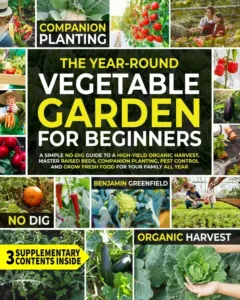
Check out the author’s book here: The Year-Round Vegetable Garden for Beginners.

Leave a Reply