

Dry summer heatwaves routinely dry out backyard vegetable plots. Consequently, keeping your crops alive often feels like a full-time job. You drag heavy hoses across the yard every afternoon, wasting immense amounts of precious time. Fortunately, an ancient agricultural method offers a brilliant, highly sustainable solution for busy growers. Implementing an Olla Irrigation System completely eliminates the need for daily manual watering. This ingenious technique utilizes unglazed clay pots buried deep within your garden beds. Furthermore, it delivers constant, targeted hydration directly to plant roots. This comprehensive guide details the exact mechanics of clay pot irrigation. First, we will explore the fascinating science of porous terracotta. Next, discover how to build or source your own watering vessels. Finally, master managing your Olla Irrigation System to enjoy a lush, self-watering garden all season long.
The Science of Subterranean Clay Hydration
Understanding why unglazed clay works so flawlessly requires looking closely at soil physics. Terracotta fired at low temperatures remains remarkably porous and highly water-absorptive. When you bury a clay pot and fill it with liquid, water molecules slowly seep outward through the walls. This automatic, slow release matches the exact hydration needs of your surrounding soil.
Specifically, the physical process relies entirely on soil moisture tension. Dry soil actively exerts a suction force, drawing water out of the porous clay. Conversely, wet soil exerts absolutely no tension, naturally halting the water release. Therefore, your plants receive water only when they actually require it. This natural, self-regulating feedback loop prevents both underwatering and overwatering completely. You establish a flawless subterranean balance that mimics nature beautifully. If you frequently worry about drowning your plants, reviewing Signs of Overwatering: Are You Loving Your Plants to Death? helps you identify early signs of stress.
The Staggering Benefits of Clay Pot Irrigation
Many backyard growers waste massive volumes of water through overhead sprinklers. Overhead watering causes rapid, immediate evaporation under the blistering summer sun. Furthermore, wet leaves invite destructive fungal pathogens to spread rapidly across your crop. Burying unglazed pots underground bypasses these common problems completely.
Because the water remains safely buried, evaporation drops to absolute zero. This highly efficient method saves up to seventy percent more water than traditional sprinkler systems. Therefore, utilizing this technique perfectly supports the sustainable guidelines detailed in Efficient Watering Techniques for Sustainable Vegetable Gardening. Additionally, lazy watering means you only fill the pots once or twice a week. You spend significantly less time dragging heavy hoses and more time harvesting. Ultimately, this incredible conservation method protects your wallet while nourishing your garden.
Sourcing or Building Your Own Clay Vessels
Eager gardeners can easily purchase beautiful, commercially manufactured clay pots online. These specialized vessels feature a wide bulbous body and a narrow, glazed neck. The narrow glazed neck prevents evaporation from the exposed top section. However, high-quality commercial pots can occasionally be quite expensive.
Fortunately, resourceful DIY builders can easily construct highly effective replicas for mere pennies. Purchase standard, inexpensive unglazed terracotta flower pots from your local garden center. Ensure you secure the corresponding clay saucers to act as watertight lids. Next, use a high-quality, completely non-toxic silicone sealant to plug the drainage hole at the bottom of the pot. Glue the clay saucer upside down over the wide top opening to seal the vessel. Leaving the bottom hole plugged and the top covered creates a highly efficient, airtight watering tank. This budget-friendly project aligns perfectly with the frugal philosophies found in Vegetable Gardening on a Budget: Saving Money on Seeds and Soil.
Preparing Your Soil for Subterranean Hydration
Burying your new clay pots requires preparing a loose, highly fertile environment first. Heavy, compacted clay soil severely restricts water movement, stopping the lateral seep entirely. Barren sand, on the other hand, drains far too quickly to hold any moisture near the roots. Therefore, you must engineer a beautifully aerated, spongy medium.
Incorporating generous amounts of organic compost improves the soil structure immensely. Spongy earth holds onto the slowly weeping water, spreading it evenly across the root zone. If you are starting a brand new plot, building elevated frames provides excellent control. Filling these structures with a premium Raised Bed Soil Mix: The Perfect Ratio for Growth ensures your unglazed pots function at absolute peak efficiency. Fluffy soil allows plant roots to navigate freely toward the damp clay walls.
How to Install an Olla in Your Garden Bed
Installing your clay watering system requires a gentle touch and careful positioning. You must complete the setup before planting your crops to avoid damaging delicate roots. Follow these simple steps for a flawless installation:
First, dig a deep hole slightly wider and deeper than your clay pot. Place the vessel gently into the hole, ensuring the neck sits roughly two inches above the soil line. Keeping the neck slightly elevated prevents loose dirt and mulch from falling inside. Next, pack the dug soil back around the pot firmly, leaving absolutely zero empty air pockets. Firm soil contact is mandatory because the water needs a continuous physical path to travel. Finally, fill the vessel to the very top with clean water and put the lid on. Always keep the lid securely in place to prevent mosquitoes from breeding inside the stagnant water.
Designing Your Olla Irrigation System
Plants will naturally adapt their root systems to target the buried moisture source. Within a few weeks, a dense web of fine feeder roots will wrap tightly around the clay walls. Therefore, you must position your crops strategically to take full advantage of this underground wet zone.
Generally, a standard five-gallon clay pot hydrates a radius of roughly eighteen inches. Arrange your high-value vegetables in a perfect circle around the buried neck. This clever spatial arrangement is known among permaculture experts as the “olla ring.” Place thirsty, heavy-feeding crops like tomatoes and peppers closest to the wet clay. Alternatively, sow smaller, fast-growing greens on the outer edges of the circle. Planning this geometric layout perfectly mirrors the spatial concepts explored in Vegetable Garden Layout Ideas for Beginners.
Selecting the Best Crops for Clay Pot Irrigation
Almost any backyard vegetable thrives in this highly consistent, low-stress moisture environment. However, certain botanical families perform exceptionally well alongside buried clay pots. Nightshades like tomatoes, bell peppers, and eggplants absolutely adore the steady subterranean hydration.
Steady moisture prevents common physiological disorders like blossom end rot from ruining your harvest. Cucurbits, including sprawling cucumbers, summer squash, and sweet melons, also benefit immensely. Conversely, you should avoid planting deep-diving root crops like massive carrots directly next to the clay. The aggressive, swelling roots can easily crack the fragile terracotta under immense physical pressure. Knowing what to plant ensures your garden remains highly productive, a habit strongly encouraged in Starting a Vegetable Garden: A Checklist for Newbies.
Sustainable Management and Water Sourcing
Operating your lazy watering setup becomes even more sustainable when you utilize natural resources. Filling your buried pots with chlorinated city tap water can eventually harm beneficial soil microbes. Therefore, capturing natural precipitation provides the absolute best, chemical-free base for your garden.
Installing a rain barrel connected to your downspouts gives you an endless, totally free water supply. This eco-friendly integration connects deeply with the water-saving philosophies outlined in Rainwater Harvesting for Vegetable Gardens: What One Barrel Actually Waters. Simply carry a watering can to your rain barrel, fill it up, and top off your buried pots. Bypassing the municipal utility grid empowers you incredibly during hot summer droughts. You protect the fragile local watershed while maintaining a thriving, green backyard oasis.
Combining Ollas with Organic Mulch
Burying clay pots underground drastically reduces evaporation, but you can increase efficiency even further. Leaving the surrounding soil surface bare and exposed to the sun is a major mistake. The brutal summer heat will still dry out the top few inches of dirt rapidly.
Therefore, you must apply a thick, protective blanket of organic mulch over the entire bed. Spreading three inches of clean wheat straw or shredded leaves locks the moisture underground permanently. This protective layer shields the earth, keeping the root zones remarkably cool during blistering August heatwaves. Mastering these protective coverage methods is beautifully detailed in Organic Garden Mulch: How Deep to Lay It and When to Wait. When you combine clay pot irrigation with heavy mulching, your watering frequency drops to practically once a week.
Olla Irrigation System vs. Modern Drip Irrigation
Many modern growers debate whether to install automated plastic lines or traditional clay pots. Both systems offer exceptional water-saving benefits, but they serve different gardening styles. Installing poly tubing requires a significant upfront financial investment and some basic plumbing skills.
If you manage a massive, sprawling farm, reviewing Drip Tape Installation: DIY Micro-Irrigation for Efficient Veggie Gardens provides a fantastic long-term solution. However, drip systems rely on consistent water pressure and can easily clog due to hard water minerals. Alternatively, unglazed clay pots require absolutely zero water pressure, zero electricity, and practically no maintenance. They are completely silent, deeply traditional, and incredibly easy for beginners to manage. Choosing clay pots offers the ultimate, low-stress option for small-scale raised beds.
Winterization and Hard Water Maintenance
To ensure your clay vessels last for decades, you must perform simple seasonal maintenance. Hard water contains massive amounts of dissolved calcium and magnesium. Over several months, these minerals will slowly clog the microscopic pores in the terracotta, reducing water flow.
To fix this, scrub the empty pots thoroughly with a mild vinegar solution every autumn. Vinegar naturally dissolves the stubborn calcium buildup, restoring perfect porosity instantly. Furthermore, you must absolutely winterize your system in freezing northern climates. Water expands violently when it turns into solid ice, which will easily shatter a buried clay pot. Drain the vessels completely before the first hard freeze, cover them with plastic, or bring them indoors. Taking these proactive steps ensures your investment survives the winter, a preparation habit highlighted in Spring Garden Preparation Checklist: In the Order the Soil Allows.
Advanced Holistic Garden Layouts
Ambitious homesteaders frequently integrate clay pots into highly advanced, self-sustaining garden designs. For instance, you can bury an olla directly inside a circular raised bed featuring a central compost basket. This efficient, highly productive setup represents the absolute pinnacle of water-wise design.
The moisture from the clay pot wicks outward, pulling rich nutrients from the compost directly to the plant roots. Exploring this incredibly resilient, drought-resistant setup is detailed beautifully in What is a Keyhole Garden: A Beginner’s Guide to This Efficient Method. You can also bury larger clay vessels directly into the sloped mounds of a German forest bed. Combining clay pots with decaying wood layers is explained in Hügelkultur Gardening: Boost Soil Fertility with This Ancient Method. These advanced combinations produce incredibly healthy, heavy yields with virtually zero human intervention.
Scientific Support for Clay Pot Irrigation
The incredible efficiency of this ancient method is not merely old agricultural folklore. Modern botanical institutions continuously study porous clay hydration to solve water scarcity issues worldwide.
According to extensive agricultural research published by the New Mexico State University Cooperative Extension Service, clay pot irrigation represents the absolute most efficient watering method known to science. Their peer-reviewed field trials prove conclusively that ollas utilize up to ninety percent less water than conventional sprinkler systems. This scientific validation gives backyard growers ultimate confidence in the system. You are not merely experimenting with a trendy hobby; you are executing a highly proven, ancient agricultural strategy. Bypassing the unpredictable weather ensures your self-watering garden thrives spectacularly.
Reaping the Lazy Harvest
Transitioning your property toward an Olla Irrigation System fundamentally alters your relationship with your backyard farm. You immediately step away from the exhausting chore of daily hand watering and embrace true, effortless efficiency. The initial setup undoubtedly requires a bit of digging and some simple DIY assembly.
Yet, the staggering water savings and subsequent explosion of healthy plant growth easily justify this initial effort. Your tomatoes will grow sweeter, your weeding chores will plummet, and your soil will remain damp and fertile. Purchase a few clean unglazed pots, prepare your soil beds, and begin burying your vessels this weekend. By fiercely respecting the invisible physical laws of porous clay, you guarantee your backyard will overflow with vibrant, healthy abundance all season long.
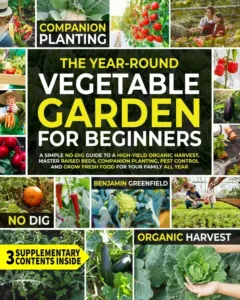
Check out the author’s book here: The Year-Round Vegetable Garden for Beginners.

Leave a Reply