

Cooking a savory meal without utilizing onions feels practically impossible. These pungent bulbs form the absolute flavor foundation for countless global cuisines. Consequently, learning how to grow them yourself brings immense culinary satisfaction. Many beginners initially struggle when dealing with tiny, fragile allium seeds. Fortunately, an incredibly reliable alternative exists for backyard growers. Planting Onion Sets entirely bypasses the frustrating, delicate seedling stage. Instead, you place dormant, miniature bulbs directly into the warm spring earth.
This brilliant method guarantees a significantly faster, much more reliable autumn harvest. Furthermore, sets naturally resist early spring diseases better than fresh seeds. Implementing this specific technique transforms a difficult agricultural chore into a highly rewarding experience. This comprehensive guide unearths every single secret surrounding these robust vegetables. First, we will explore the critical biology of day-length sensitivity. Next, discover how to prepare the absolute perfect underground environment. Finally, master the exact mechanics of Planting Onion Sets to secure a massive pantry supply for the coming winter.
Understanding the Biology Behind Planting Onion Sets
Before planting onion sets, you must thoroughly understand your chosen planting material. Basically, sets are simply immature onions that farmers grew from seed the previous year. Commercial growers intentionally planted them incredibly close together. This extreme crowding stunted their physical growth entirely. Following this, farmers harvested the tiny bulbs and forced them into deep dormancy.
Therefore, when you purchase a bag of sets, you are buying second-year plants. Bringing these dormant roots back to life provides a massive biological head start. Specifically, your crops will establish deep roots weeks before traditional seeds even germinate. As a result, the developing plants easily outcompete aggressive spring weeds. This vigorous early growth ensures massive, perfectly formed bulbs by late summer.
Day-Length Sensitivity and Planting Onion Sets
Onions possess a highly unique, highly sensitive biological clock. Their ability to form an underground bulb depends entirely on the duration of daily sunlight. Ignoring this genetic requirement guarantees total crop failure. Before planting onion sets, you must select the precise variety suited for your specific geographic latitude.
Northern gardeners absolutely require “long-day” varieties. These specific plants trigger bulb formation only when daylight stretches to fourteen or sixteen hours. Conversely, southern growers must strictly utilize “short-day” types. These tropical varieties begin swelling when daylight reaches merely ten to twelve hours. Meanwhile, intermediate “day-neutral” cultivars perform reasonably well across the middle latitudes of the country. If a northern farmer accidentally plants a short-day variety, the plant will bulb prematurely. Ultimately, you will harvest a vegetable no larger than a tiny golf ball.
Preparing the Soil for Planting Onion Sets
These vegetables grow entirely out of sight, beneath the soil surface. Consequently, preparing a flawless underground matrix before planting onion sets remains absolutely non-negotiable. You cannot expect a massive, symmetrical bulb to expand inside dense, compacted clay.
First, loosen your garden beds deeply using a sturdy broadfork. Next, incorporate generous amounts of rich, fully finished compost. Organic matter drastically improves vital drainage while simultaneously holding necessary moisture. If your native dirt resembles hard concrete, consider building elevated wooden frames instead. Utilizing a highly specialized Raised Bed Soil Mix: The Perfect Ratio for Growth creates the ultimate, fluffy environment. A soft, friable texture allows the expanding layers to push outward without facing crushing physical resistance.
Balancing Soil Chemistry and Nutrition
Beyond physical texture, chemical balance heavily dictates your ultimate success. Alliums strongly prefer a slightly acidic to neutral pH, ideally hovering right around 6.0 to 6.8. If your earth is too acidic, the plants cannot absorb essential trace minerals.
Therefore, testing your ground well before planting onion sets in spring is a fantastic habit. Incorporating specific Soil Amendments: Natural Methods for Rejuvenating Earth ensures the nutritional bank account remains completely full. Furthermore, these plants act as incredibly heavy nitrogen feeders during their initial leafy growth phase. Adding a high-quality organic blood meal or rich poultry manure provides the exact nitrogen boost they crave. Heavy green top-growth directly correlates to massive bulb size later in the season. Every single green leaf roughly translates to one structural ring inside the final vegetable.
The Exact Mechanics of Planting Onion Sets
Executing the physical planting process requires careful attention to depth and spacing. Many enthusiastic beginners accidentally bury their stock far too deep into the mud. When planted too deeply, the developing bulb struggles to expand and often succumbs to bacterial rot.
Start by sorting your bag of dormant bulbs carefully. Discard any pieces that feel soft, mushy, or display visible blue mold. Choose the firmest, healthiest specimens for your primary beds. Interestingly, the smallest sets usually produce the absolute largest, most reliable final harvests. Larger sets possess a frustrating tendency to bolt, meaning they prematurely send up a tough, woody flower stalk. In fact, Clemson Cooperative Extension advises avoiding sets more than an inch in diameter.
Create a shallow, narrow trench down the length of your prepared bed. Press each tiny bulb gently into the soft earth with the pointed end facing straight up. Space the individual pieces roughly four to six inches apart. Finally, cover them lightly with soil, ensuring the very top pointed tip remains barely visible above the dirt line.
Watering After Planting Onion Sets
After planting onion sets, water management becomes a highly delicate, constant balancing act. These plants feature surprisingly shallow, incredibly sparse root systems. As a result, they cannot dive deep into the subsoil to find hidden moisture during a severe drought.
You must provide a consistent, steady supply of hydration. Aim to deliver approximately one inch of clean water every single week. Allowing the beds to swing wildly between bone-dry and soaking wet causes the developing layers to split and crack open. Utilizing automated delivery systems drastically reduces your daily workload. Incorporating the clever strategies found in Drought Tolerant Gardening: Water-Saving Techniques for Home helps maintain perfect moisture levels. Specifically, laying down porous soaker hoses directly adjacent to the rows ensures the shallow roots never dry out completely.
The Art of Weed Suppression
Because their roots remain so close to the surface, alliums despise botanical competition. Aggressive weeds quickly steal vital nutrients and block essential sunlight. Therefore, maintaining a pristine, weed-free environment is incredibly important.
However, you must exercise extreme caution when removing invaders. Swinging a heavy, sharp metal hoe near the rows will inevitably slice through the shallow onion roots. Severing these delicate feeder roots stunts the plant permanently. Instead, practice gentle, frequent hand-weeding. Plucking tiny weed seedlings weekly prevents them from establishing deep anchors. Additionally, applying a thin layer of clean straw mulch suppresses weed germination beautifully. Mulching also keeps the underlying earth cool during blistering mid-summer heatwaves.
Companion Planting Onion Sets
Vegetables rarely thrive in complete, lonely isolation. Surrounding your pungent crops with supportive, friendly neighbors improves overall ecosystem health. Strategic pairing actively repels pests and maximizes your limited square footage beautifully.
Interestingly, strong-smelling herbs and flowers offer excellent natural protection. Planting fragrant chamomile or bright marigolds nearby confuses destructive insects. Furthermore, planting onion sets alongside leafy greens works exceptionally well. The shallow root systems do not compete for the exact same subterranean resources. To fully master these complex biological partnerships, closely review our Vegetable Companion Planting Chart: Boost Growth and Repel Pests. However, you must absolutely keep onions far away from any legumes. Alliums secrete specific chemical compounds that severely stunt the growth of peas and bush beans.
Halting Fertilization at the Right Time
Feeding your crop correctly requires knowing exactly when to stop. During the early spring months, applying nitrogen encourages massive, lush leaf production. However, as the summer solstice passes, the biological mission changes entirely.
When you notice the underground bulbs physically swelling and pushing the dirt aside, you must halt all nitrogen applications immediately. Continuing to feed the plants forces them to produce more green leaves instead of finishing their bulbs. The plant needs to redirect all its stored energy downward. Recognizing this precise developmental shift aligns perfectly with mastering a complex Planting Schedule: A Year-Round Guide for Every Season. Let the soil dry out slightly during this final bulbing phase to encourage thick, protective skin formation.
Defending Against Common Pests
Despite their strong, tear-inducing odor, these vegetables still attract specific, highly destructive enemies. The notorious onion maggot represents the most lethal subterranean threat. These tiny fly larvae burrow directly into the base of the developing root, causing the entire plant to collapse and rot rapidly.
Thrips pose another significant danger above ground. These microscopic insects suck the sugary sap directly out of the green leaves, leaving behind silvery, damaged streaks. Defending your harvest requires proactive, completely natural strategies. Implementing the rigorous defense protocols detailed in Organic Pest Management: Eco-Friendly Solutions for the Vegetable Garden guarantees a clean crop. For instance, utilizing lightweight Floating Row Covers early in the spring physically prevents the adult flies from laying their deadly eggs near the soil line.
Recognizing the Harvest Signals
Patience truly becomes a virtue as late summer approaches. You cannot simply pull a bulb from the dirt whenever you feel hungry. Harvesting too early severely compromises the vegetable’s long-term storage potential. Nature provides a very clear, unmistakable visual signal when the growth cycle finishes.
Eventually, the tall, sturdy green tops will begin to turn yellow and physically weaken. Suddenly, the leaves will flop over entirely, bending right at the rigid neck of the bulb. Do not panic; this is exactly what you want to see. When roughly three-quarters to eighty percent of your crop has flopped over naturally, the harvest window has officially opened, the same signal Clemson recommends. Never force the tops over manually by stepping on them or bending them. Bending the necks artificially breaks the internal cellular structure, inviting devastating bacterial neck rot.
The Critical Curing Process
Pulling the heavy vegetables from the ground represents only half the battle. If you want them to last through the snowy winter, you must successfully cure them. Curing describes the deliberate drying process that hardens the outer papery skins and seals the top neck.
First, gently loosen the dirt around the roots using a small hand fork. Next, pull the bulbs and lay them flat directly on the dry garden soil for two days. If rain is completely absent, the intense summer sun acts as a fantastic initial drying agent. After this brief field curing, move the entire harvest into a warm, deeply shaded, and highly ventilated location. An open barn, a covered patio, or a dry garage works perfectly. Spread them out on elevated wire racks to ensure maximum airflow around every single piece.
Achieving Long-Term Storage
The curing phase usually takes anywhere from two to four long weeks. You will know they are fully finished when the outer skins feel dry, brittle, and papery. The green necks must be completely shriveled and tight, showing absolutely no signs of residual moisture.
Once fully cured, use sharp pruning shears to trim the dead roots off the bottom. Cut the dry tops off, leaving about one inch of stem attached to the crown. Finally, move the finished produce into a dark, remarkably cool environment. The ideal storage temperature rests just above freezing, around 35°F to 40°F. According to extensive agricultural research published by the Texas A&M AgriLife Extension, storing cured alliums in mesh bags or suspended pantyhose provides the absolute best airflow, extending their shelf life for up to eight solid months.
Handling Bolting After Planting Onion Sets
Occasionally, even after planting onion sets with care, a plant will decide to bolt. Bolting occurs when the vegetable prematurely shoots a thick, hollow flower stalk straight into the sky. Severe temperature fluctuations during the unpredictable spring usually trigger this panic response.
When a plant bolts, the central core turns incredibly hard, woody, and mostly inedible. Sadly, you cannot reverse this biological process once it begins. Therefore, you must snap the flower head off immediately. Pull that specific plant from the dirt within a few days and utilize it in your kitchen right away. Bolted specimens will absolutely never cure or store properly, so consuming them fresh prevents unnecessary food waste.
The Ultimate Culinary Reward
Mastering the precise art of Planting Onion Sets fundamentally elevates your backyard farming capabilities. You transition away from constantly buying expensive, chemically treated supermarket produce. Instead, you secure a massive, incredibly reliable source of foundational flavor for your kitchen.
Planting onion sets certainly demands patience, careful observation, and strict weed management. However, the staggering visual and culinary rewards easily justify this dedicated physical effort. Pulling a massive, flawless, golden sphere from your own soil delivers a profound sense of self-reliance. Prepare your garden beds deeply, select the correct day-length variety, and bury those dormant roots. By fiercely respecting the unique biological rules governing these pungent vegetables, you guarantee your pantry will overflow with savory abundance all winter long.
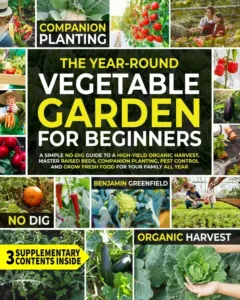
Check out the author’s book here: The Year-Round Vegetable Garden for Beginners

Leave a Reply