

Finding an old, dusty shoebox filled with forgotten seed packets brings a sudden wave of hope to any backyard gardener. You immediately begin dreaming of a lush, highly productive summer plot filled with sweet, juicy tomatoes. However, planting these older seeds directly into the outdoor soil without verifying their viability represents a major gamble. Many of the dormant embryos might have already died quietly over years of poor storage. Consequently, wasting valuable garden space and precious spring weeks on sterile dirt causes immense frustration. Performing a simple Seed Germination Test resolves this seasonal uncertainty completely. This highly reliable, low-cost biological diagnostic lets you know exactly which packets deserve a spot in your raised beds. Furthermore, testing viability early ensures your spring planting schedule stays perfectly on track. Our comprehensive guide details the precise scientific protocols needed to check your inventory successfully at home. First, we will explore the natural shelf life of various vegetable families. Next, discover the exact step-by-step paper towel method used by professional growers worldwide. Finally, master calculating your survival rates to secure an incredibly abundant harvest this season.
Understanding Seed Longevity and Natural Decay
Inside every single dried seed lies a living, sleeping plant embryo. This microscopic organism survives in a state of suspended animation, waiting for moisture and warmth to trigger its awakening. Over time, the stored starch reserves inside the protective hull slowly but steadily decay. Once these nutritional reserves run completely dry, the fragile embryo inevitably perishes. Therefore, older seeds gradually lose their biological capacity to sprout and grow into healthy plants. Understanding this natural decay process helps you manage your inventory highly effectively. Indeed, some vegetable species possess remarkably long lifespans compared to others. Reviewing Reading Seed Packets: A Guide to Understanding Maturity Timelines helps you identify the original packaging dates easily. However, simple age represents only one single factor in the overall viability equation. Storage conditions dictate seed health far more than the simple passage of calendar years.
The Longevity Spectrum of Vegetable Families
Certain botanical families produce remarkably tough, long-lived seeds. Tomatoes, squashes, cucumbers, and brassicas possess incredible natural survival rates. When stored in a cool, dry place, these seeds can easily remain highly viable for five to six consecutive years. Conversely, other species produce fragile, oil-rich seeds that lose their viability almost immediately. Onions, parsnips, leeks, and sweet corn rarely survive past their second winter. Planting old onion seeds without checking them is a recipe for total spring disappointment. Specifically, carrots and spinach sit firmly in the middle of this longevity spectrum, lasting roughly two to three years. Knowing these distinct genetic lifespans prevents you from wasting valuable labor on dead stock. Developing this strategic, cautious mindset is a crucial habit emphasized in Starting a Vegetable Garden: A Checklist for Newbies. You protect your limited garden space by prioritizing fresh, vigorous genetics from the very start.
Preparing Your Seed Germination Test Station
Executing a proper Seed Germination Test requires minimal effort and basic household supplies. You absolutely do not need expensive laboratory equipment or specialized greenhouse facilities to get accurate results. First, gather your older seed packets and organize them neatly by vegetable family. Next, retrieve several clean, highly absorbent paper towels and some clear plastic zipper bags. Ensure you also have a UV-resistant permanent marker handy for labeling the bags. Labeling every sample clearly prevents massive, frustrating confusion down the road. Writing the specific variety name, the original packet date, and the start date of the test on each bag is absolutely essential. This meticulous tracking ensures your data remains perfectly clean and highly usable. Implementing this level of strict organization mirrors the professional habits detailed in Spring Garden Preparation Checklist: In the Order the Soil Allows. Excellent documentation prevents you from mixing up hot peppers with sweet bell peppers.
Selecting the Optimal Sample Size
Precision is absolutely paramount when selecting your seeds for the trial. Sowing only two or three seeds fails to provide a statistically valid viability percentage. Therefore, the gold standard for home testing always involves selecting exactly ten seeds per packet. Using ten seeds makes the subsequent mathematical calculation incredibly simple for anyone. If you are dealing with very rare, highly expensive heirloom varieties, wasting ten seeds might feel painful. In this specific scenario, you can scale the sample size down to five seeds. However, keep in mind that smaller sample sizes naturally reduce the overall accuracy of your results. Protecting these rare genetics is a primary goal discussed heavily in Saving Vegetable Seeds: A Step-by-Step Guide for the Home Garden. Thus, sacrifice a few seeds now to avoid wasting entire garden beds later on. Secure ten seeds from the packet and lay them out neatly on a clean table.
Setting Up the Moisture Chamber
Damp paper towels serve as the perfect, highly oxygenated incubation chamber for your seeds. Lay a single sheet of paper towel flat on a clean kitchen counter. Next, use a continuous-mist spray bottle to moisten the paper thoroughly with filtered water. The towel should feel distinctly damp like a wrung-out sponge, but never dripping wet or swampy. Excess water suffocates the sleeping embryos and rapidly triggers devastating mold outbreaks. Arrange your ten selected seeds in a neat, straight line down one half of the damp paper. Leave at least one inch of empty space between each individual seed. This spacing ensures the emerging roots do not become hopelessly tangled together during the test. Fold the empty half of the paper towel carefully over the seeds, pressing gently to establish solid contact. Finally, slide the folded towel securely into the labeled plastic zipper bag and seal it tightly.
Managing Temperature and Light Conditions
Temperature plays an incredibly vital role in triggering the germination sequence. Most common backyard vegetables require consistent warmth to break their dormant state successfully. Placing your sealed plastic bags in a chilly, unheated basement will delay the test indefinitely. Instead, seek out a consistently warm, dark spot in your home. The top of a refrigerator or a warm utility closet works absolute wonders for this task. Generally, ambient temperatures hovering between 70°F and 80°F (21°C to 27°C) are ideal. Specifically, tropical nightshades like tomatoes and peppers demand intense, steady warmth to sprout. You do not need to worry about light during this initial, highly sensitive germination phase. Virtual darkness is actually preferred by most seeds until their very first green leaves finally emerge. Keeping the chambers warm and dark simulates the experience of being buried deep underground.
Daily Monitoring and Record Keeping
Checking your sealed bags daily prevents mold from ruining the entire experiment. Open the zipper seal briefly every afternoon to allow fresh, vital oxygen to circulate inside. This quick daily ventilation keeps the air fresh and discourages fungal spores from germinating. Inspect the moisture level of the paper towel very closely during each visit. If the paper looks light brown and dry, spray it gently with a fine mist of water. You should begin searching for tiny, emerging white root tails around day three. Radishes and brassicas will sprout incredibly rapidly, often showing roots within forty-eight hours. Conversely, slow-growing crops like peppers or carrots might take up to two full weeks to wake up. Record the exact date you spot the first successful sprout in your journal. Tracking these dates is a fantastic practice detailed in Starting a Vegetable Garden: A Checklist for Newbies.
Calculating the Viability Rate
Mathematical calculations represent the absolute most rewarding part of the trial. Once the standard germination window closes, you must count your successful sprout tails. Because you used exactly ten seeds, calculating the viability percentage is incredibly simple. Simply multiply the number of sprouted seeds by ten to find your final success rate. For example, if eight out of your ten seeds sprout healthy roots, you have an 80% germination rate. If only five seeds sprout, your packet sits firmly at a 50% viability level. Understanding this precise percentage allows you to make highly calculated decisions in the garden. You no longer have to plant seeds blindly and hope for the best. This data-driven approach is a primary theme discussed in Vegetable Gardening on a Budget: Saving Money on Seeds and Soil. Knowing your rates saves you from buying fresh seeds unnecessarily every single spring.
Interpreting the Results: Your Next Steps
Adjusting your planting density based on your test results ensures a full garden. High viability rates (80% to 100%) mean your seeds are incredibly healthy and robust. You can plant these packets normally, sowing exactly one or two seeds per hole. Moderate viability rates (50% to 70%) require a slightly different, highly strategic approach. Plan to over-seed your rows to compensate for the thirty to fifty percent that will fail. Sowing seeds twice as densely as usual guarantees you still achieve a full, thick row of vegetables. This high-density adjustment technique works brilliantly for close spacings, as explained in Intensive Gardening: Planning for High Yields in Small Plots. However, if your rate drops below 50%, the packet is dangerously weak. Throwing these low-viability seeds away and replacing them prevents massive, empty gaps in your raised beds. Do not waste valuable soil resources on dying, low-energy genetics.
The Problem of Leggy Seedlings and Weak Sprouts
Sprouting successfully inside a wet paper towel is only the very first hurdle. Sometimes, older seeds possess enough energy to germinate but lack the vigor to survive long-term. These weak embryos produce thin, spindly, and pale green shoots that struggle constantly. If you plant these low-energy seedlings, they often fall over and die almost instantly. Backyard growers often refer to these weak, elongated stems as “leggy.” Understanding how to prevent this structural weakness is a massive focus in Leggy Seedlings: How to Fix Weak Plant Stems. Strong light and gentle wind stimulation indoors are absolutely mandatory to build woody, tough stems. Testing your seeds early allows you to select only the absolute strongest, most resilient survivors for your garden. You ensure your future crops grow structurally sound and capable of surviving summer storms. Prioritizing vigor from day one saves you from dealing with disappointing, floppy plants later on.
The Water Flotation Test: A Quick Alternative
Gardeners occasionally find themselves in an immense, highly frantic spring rush. If you do not have two weeks to wait for a paper towel test, a faster alternative exists. The simple water-float test offers a rapid, highly visual viability assessment. Drop a small handful of seeds directly into a glass of clean, room-temperature water. Stir the water gently and let the seeds sit completely undisturbed for fifteen minutes. Viable, healthy seeds contain dense, solid embryos that sink rapidly to the bottom of the glass. Conversely, dead or empty seeds contain hollow, air-filled chambers that cause them to float on the surface. You simply scoop away the floating duds and plant the heavy sinkers immediately. However, you must absolutely plant the wet sinkers right away to prevent them from rotting. While incredibly fast, this flotation method remains significantly less accurate than a proper paper towel trial.
Soil-Based Testing for Sensitive Seeds
Certain highly sensitive species perform poorly in wet, artificial paper environments. Beet seed clusters and large squash seeds often rot easily when wrapped tightly in wet paper. Therefore, performing a soil-based germination test provides a much safer, highly realistic trial. Fill a small plastic nursery tray with a sterile, lightweight seed-starting mix. Sow exactly ten seeds at their recommended depth and water them gently from the bottom. Placing the tray under a bright LED light ensures natural, highly uniform sprouting conditions. This method takes slightly more space, but it allows you to transition the successful sprouts directly into transplants. You completely avoid the delicate, highly stressful chore of peeling fragile roots off a paper towel. Deciding between direct sowing and transplanting is a critical choice explored in Direct Sow vs Transplant: Which Method is Better for Your Vegetable Garden?. Matching the test method to the specific crop family guarantees the absolute most accurate results.
The Science of Optimal Seed Storage
Preventing seed degradation entirely relies upon maintaining pristine, highly controlled storage conditions. Heat, moisture, and direct sunlight are the three deadliest enemies of dormant embryos. Exposing your seed packets to humid, warm air quickly triggers rapid, fatal cellular decay. Therefore, serious growers must strictly adhere to the universal “rule of cool and dry.” Store your packets inside airtight glass jars featuring tight-fitting rubber gaskets. Toss a small, cheap silica gel packet into the jar to absorb any lingering ambient moisture. Keeping these sealed glass jars in a dark, unheated closet or basement preserves viability beautifully. According to seed preservation guidelines published by the Oregon State University Extension Service, proper storage can double the natural lifespan of most common vegetable seeds. This simple, low-cost preservation strategy protects your valuable genetic investments effortlessly. You secure an incredibly cheap, highly reliable seed bank for your family’s future food security.
Avoiding Common Seed Germination Test Errors
Minor procedural mistakes during the trial frequently lead to highly inaccurate, frustrating results. Utilizing dirty, unsterilized hands or contaminated water introduces destructive mold spores into the chamber. These molds will rapidly consume the seeds, causing them to rot before they ever sprout. Always wash your hands thoroughly and use clean, filtered water for every single test. Another common error involves letting the paper towel dry out completely during the second week. If the paper dries out for even a single afternoon, the germinating embryos will perish instantly. Check your bags religiously every single morning to prevent this tragic dehydration. Furthermore, never place your testing bags directly in freezing, drafty window sills. Cold air halts the biological germination sequence, yielding a false-negative result on your chart. Correcting these simple mistakes ensures your data remains completely pristine and highly reliable.
Integrating Tests into Your Master Plan
Planning your garden year strategically demands total control over your seed inventory. Testing your old seeds in January or February prepares you perfectly for the spring rush. You immediately identify exactly which packets need immediate replacement from the catalogs. Consequently, you avoid the frustrating, expensive delays of ordering seeds too late in April. Sourcing fresh seeds early ensures you can follow your regional timelines flawlessly. Aligning these dates with the outdoor climate is beautifully structured in Planting Schedule: A Year-Round Guide for Every Season. Every single successful harvest starts with this precise, highly organized winter planning. Professional growers transition away from being chaotic, stressed hobbyists to highly strategic food producers. This shift in perspective is the ultimate secret to sustaining long-term agricultural abundance. Reclaim total authority over your garden’s ultimate output this weekend.
Unlocking Sustainable Abundance
Achieving true food independence requires total, uncompromising self-reliance at every stage. You must master the simple chemical and biological rules governing seed dormancy. Performing a quick, weekly viability test takes practically zero time and saves massive amounts of money. It prevents you from making the costly, highly frustrating mistakes that plague so many beginners. Learning to avoid these common pitfalls is thoroughly discussed in Common Gardening Mistakes: 10 Errors Beginners Make. Protect your hard-earned dollars and maximize your limited backyard space this season. Dig out those dusty old shoeboxes, grab a roll of paper towels, and begin testing today. By actively managing the invisible, microscopic biology of your seeds, you guarantee a lush, thriving garden. Your kitchen will constantly overflow with vibrant, homegrown vegetables all year long. Embrace the absolute power of scientific preparation and watch your harvests reach spectacular new heights.
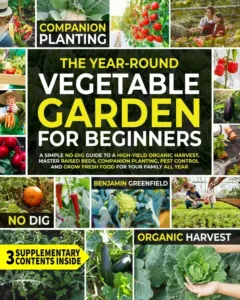
Check out the author’s book here: The Year-Round Vegetable Garden for Beginners.

Leave a Reply