Harvest & Storage
Harvesting and storing vegetables is the part of gardening that connects the bed with your kitchen. Knowing when to pick is one decision; deciding what to do with the crop afterward is another. These guides cover both, with articles on ripeness, repeated harvests, curing and storage planning.
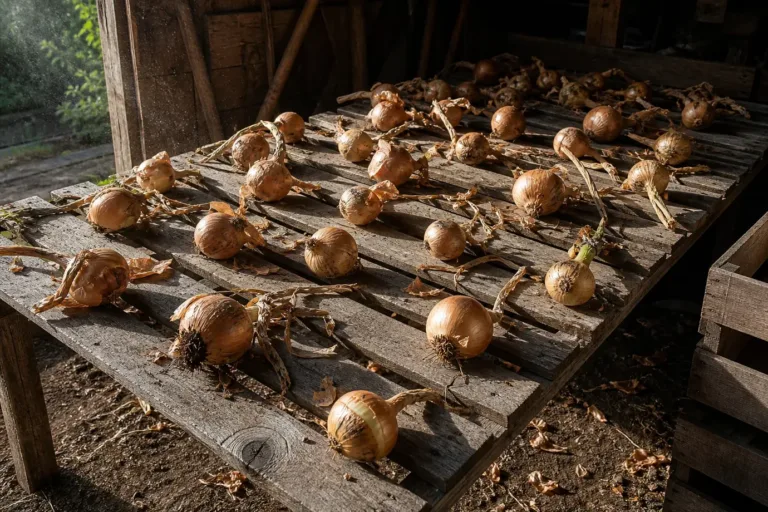
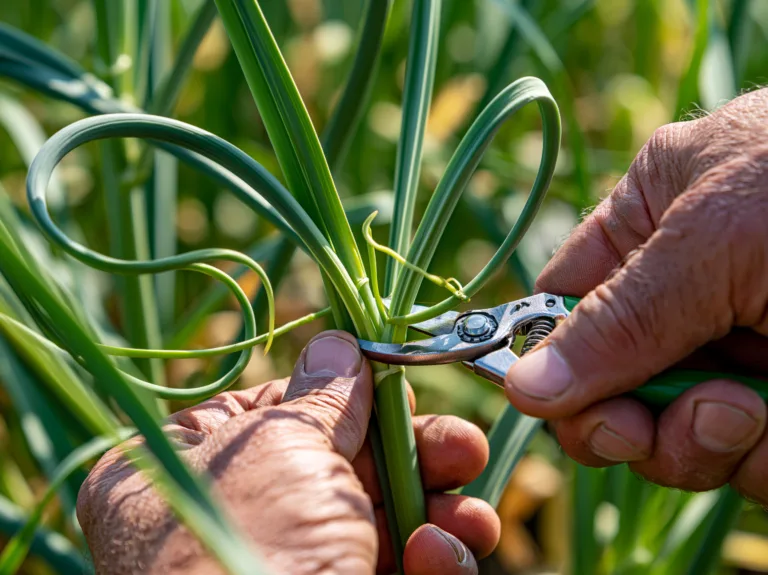

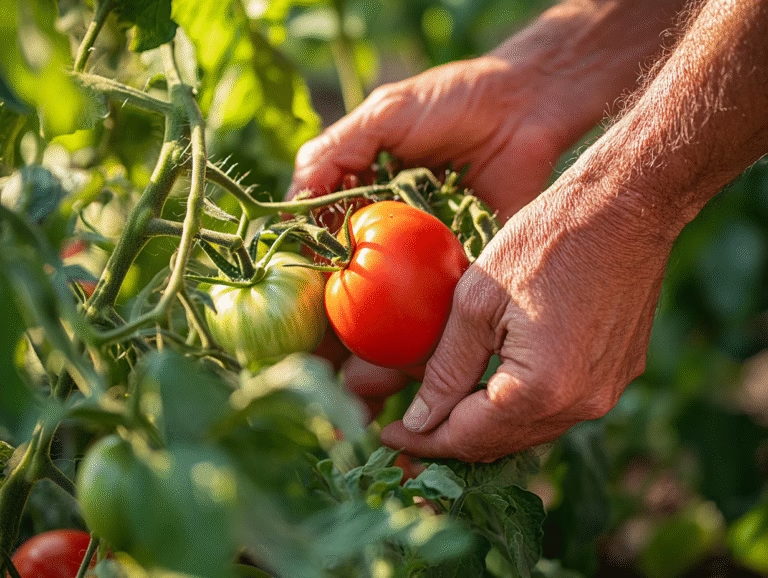
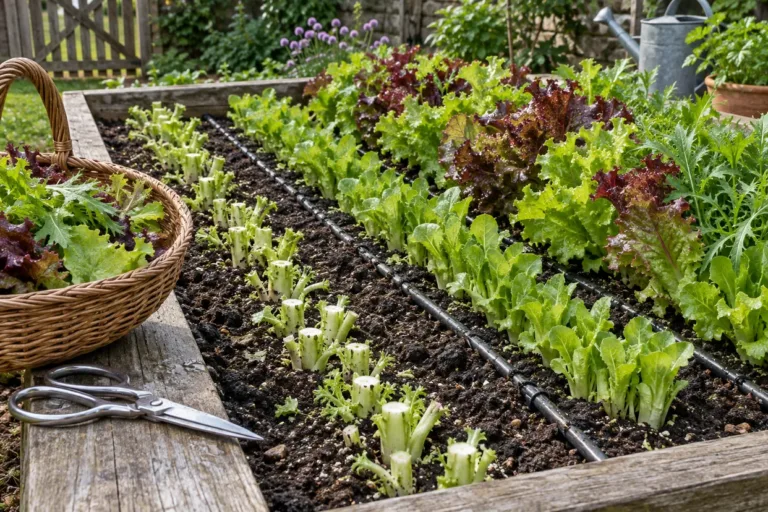
Start with when to harvest vegetables if you are unsure what signs to look for. For salad crops, explore cut-and-come-again harvesting. The garlic scapes guide focuses on a particular harvest window, while curing onions follows a crop through the drying stage that comes after lifting it.
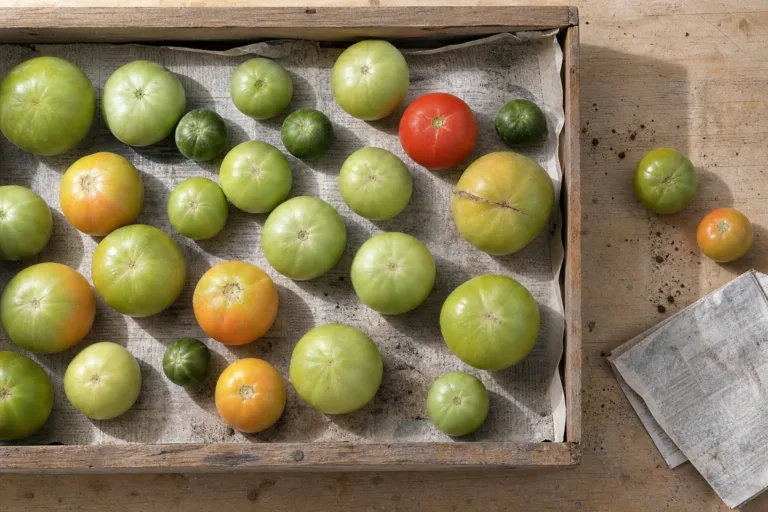
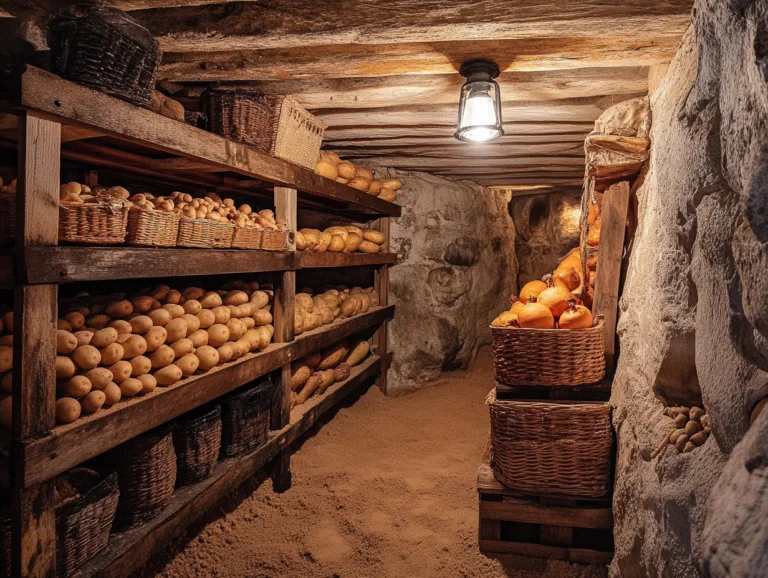
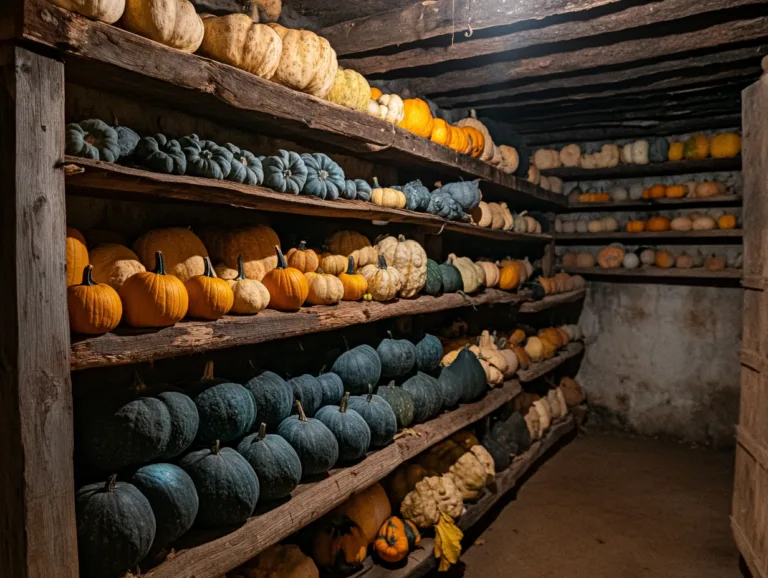
When your harvest is larger than your immediate needs, compare the articles on winter squash and root cellar storage. The end-of-season tomato guide addresses a different problem: what to do with unripe fruit when outdoor growing is coming to a close. Choose guidance for the crop you have rather than assuming every vegetable needs the same treatment.
For a wider introduction connecting growing decisions with harvest use, see The Year-Round Vegetable Garden for Beginners. The articles below provide a place to return as each crop becomes ready.