

There is a profound, simple pleasure in harvesting your own salad greens. Ideally, the dream is a bowl full of crisp, sweet, and tender leaves, straight from the garden to your table. The reality, however, is often disappointing: a handful of leaves that are bitter, limp, or already sending up a flower stalk. Growing lettuce seems like it should be the easiest thing a gardener can do, yet it’s often the most frustrating.
The truth is, lettuce is a Goldilocks plant: it needs conditions to be “just right.” Unlike a sun-worshipping, heat-loving tomato, lettuce is a cool-season crop that thrives on speed and consistency. In reality, it doesn’t get bitter to spite you; it gets bitter because it’s stressed.
The good news is that these problems are entirely preventable. Once you understand what lettuce truly wants, you can unlock a season of continuous, perfect harvests. This guide will walk you through the expert tips to move past the frustration and finally start growing the crisp, perfect salad of your dreams.
Growing Lettuce Beyond Iceberg: The Five Types
First, let’s expand our horizons. Your success with growing lettuce might be as simple as choosing the right variety for your garden and harvesting style.
- Loose-leaf (Leaf Lettuce): This is the easiest and most popular type for home gardeners. Unlike other types, it doesn’t form a head, but rather a loose bunch of leaves. Its greatest advantage is its “cut-and-come-again” nature.
- Romaine (Cos): Known for its upright, elongated heads and crisp central rib. It’s more heat-tolerant than most other types, making it a garden favorite.
- Butterhead (Boston or Bibb): This type forms small, loose, tender heads. The leaves are soft, “buttery,” and have a sweet, delicate flavor.
- Crisphead (Iceberg): This is the most difficult type to grow in a home garden. It requires a long, consistently cool season to form its signature dense, crisp head. While rewarding, it’s not the best choice for beginners.
- Stem (Celtuce): Grown primarily for its thick, fleshy stem rather than its leaves. It’s a specialty crop used in Asian cuisine, with a unique, nutty flavor.
The Secret to Crispness: Understanding What Lettuce Wants
The difference between a crisp, sweet leaf and a bitter, tough one comes down to three factors: temperature, water, and speed. Growing lettuce successfully means managing these three elements.
Growing Lettuce as a Cool-Season Crop
Above all, this is the most important concept to grasp. Lettuce hates hot weather. In other words, it is not a summer crop.
- Ideal Temperature: Lettuce grows best when high temperatures are consistently between 50°F and 70°F (10-21°C). In fact, Clemson Cooperative Extension puts the optimum for growing lettuce at 55 to 65°F.
- The Heat Problem: When temperatures climb above 75°F (24°C), the plant’s biology changes. It believes its life cycle is over and its only mission is to reproduce. This triggers “bolting.”
- Bolting: This is the #1 enemy of the lettuce grower. The plant rapidly sends up a thick central stalk that will flower and produce seeds. In doing so, it floods its leaves with a milky, bitter-tasting sap to protect itself. That bitterness is your lettuce telling you it’s stressed. We have a whole guide on What is Bolting: How to Prevent Your Leafy Greens from Flowering Early.
Fast, Consistent Growth Is Key to Growing Lettuce
After all, lettuce is 95% water. Its crisp texture is the result of its cells being turgid (full of water). Therefore, to achieve this, the plant must grow fast and without interruption. Any stress—a lack of water, a lack of nutrients, or a sudden heat wave—will slow its growth, toughen its leaves, and introduce bitterness.
The Full Sun Myth
Because we group all vegetables together, we assume they all need “full sun.” However, this is a major mistake when growing lettuce. While it can handle full sun in the cool weather of early spring, it absolutely benefits from shade as the season warms up.
Planting lettuce in a spot that gets 4-6 hours of morning sun, but is shaded during the hot afternoon, is a brilliant strategy. This “partial shade” keeps the soil and the plant cooler, tricking it into thinking it’s still spring and delaying bolting by weeks.
How to Start Growing Lettuce
In short, success begins before you even plant a seed.
When to Plant: The Gardener’s Calendar
Because lettuce is a cool-season crop, you have two main windows for planting.
- Spring: Plant as soon as the soil can be worked—often 2-4 weeks before your last spring frost. Fortunately, lettuce seedlings are quite hardy and can tolerate a light frost.
- Late Summer / Fall: This is the “secret” season that many new gardeners miss. Start seeds in late summer (about 4-8 weeks before your first fall frost) for a long, stable harvest in the cool, crisp autumn air.
- Winter: In mild-winter climates (Zones 8+), you can grow lettuce all winter long, especially with the protection of a cold frame or hoop tunnel.
Check our guide on Planting Schedule: A Year-Round Guide for Every Season to see how lettuce fits into your garden.
Direct Sow vs. Transplant: Which is Better?
When it comes to Direct Sow vs Transplant: Which Method is Better for Your Vegetable Garden?, lettuce gives you great options.
- Direct Sowing: First of all, this is the easiest method. Simply scatter seeds (or plant in rows) on the prepared soil. Pro Tip: Lettuce seeds are tiny and many varieties need light to germinate. Do not bury them! Gently press the seeds onto the soil surface, or cover them with a scant 1/8 inch of fine soil or vermiculite.
- Transplanting: Starting seeds indoors is a fantastic strategy. It gives you a “head start” on the season, and you can place strong, healthy seedlings in the garden instead of waiting for seeds to sprout. This is the best method for starting fall lettuce in late summer, as the soil is too hot for seeds to germinate outdoors.
Preparing Soil for Growing Lettuce
Since the goal is fast, uninterrupted growth, you need to provide your lettuce with rich, fertile soil.
- Rich in Organic Matter: The ideal soil is loose, well-draining, and rich in nutrients. Before planting, amend your beds with 2-3 inches of high-quality compost or well-rotted manure.
- Why Compost? Compost provides a slow-release source of nutrients to fuel that fast growth. It also acts like a sponge, holding onto moisture and ensuring the soil stays consistently damp (but not soggy). Composting 101: A Beginner’s Guide to Black Gold is the best way to get this “black gold” for free.
- Soil pH: Lettuce prefers a soil pH between 6.0 and 7.0.
Growing Lettuce for a Continuous Harvest
Don’t just plant one big patch of lettuce. To get a steady supply, you need to think like a farmer.
Spacing: Give Them Room to Breathe
It’s tempting to plant seeds thickly, but this is a mistake. After all, overcrowded lettuce competes for light, water, and nutrients, leading to stress, disease, and bolting.
- Thinning: This is the most important task. Once your seedlings are 2-3 inches tall, you must thin them to their final spacing. At first this feels like a waste, but it’s essential. Check the seed packet, but generally:
- Loose-leaf: 4-6 inches apart
- Romaine & Butterhead: 6-8 inches apart
- Crisphead: 10-12 inches apart
- Pro Tip: Don’t throw the thinned seedlings away! Wash them and eat them as your very first “microgreen” harvest. This is a critical step, as explained in How to Thin Seedlings: When, How, and How Far Apart.
Succession Planting: The Key to a Never-Ending Supply
This is the #1 “expert” trick. In other words, do not plant your entire seed packet at once. You will have 50 heads of lettuce ready at the same time, and they will all bolt before you can eat them.
The solution is Succession Planting: A Guide to Continuous Harvests.
- On week 1, plant a small 2-foot row of lettuce.
- On week 3, plant another 2-foot row.
- On week 5, plant another 2-foot row.
University of Maryland Extension likewise recommends planting in succession, or mixing varieties that mature at different times, for a longer harvest. By planting a small amount every 2-3 weeks, you will have a “conveyor belt” of lettuce that is always at the perfect stage for harvesting, all season long.
Growing Lettuce in Containers
Lettuce is one of the best vegetables for container gardening. Indeed, its shallow root system means it doesn’t need a deep pot.
- Containers: A window box, a 10-inch pot, or a fabric grow bag all work perfectly. Just ensure it has drainage holes.
- Benefits: Most of all, you have total control. You can give it the Best Soil for Container Vegetables: Air Space Before Nutrients. Most importantly, you can move the pot. As the weather gets hot, you can move your lettuce pot from a full-sun spot to a shady patio, extending your harvest for weeks.
Troubleshooting Growing Lettuce: Why Is It Bitter?
Even with perfect planning, you’ll encounter issues. Here’s how to fix them.
- Problem: My lettuce is bitter and has a tall stalk.
- Cause: Bolting. This is irreversible. It’s caused by heat, long day length, or drought.
- Solution: Harvest the plant immediately to salvage what you can. In the future, plant more heat-tolerant (or “bolt-resistant”) varieties, plant in partial shade, and harvest earlier.
- Problem: My lettuce is covered in small green/black bugs.
- Cause: Aphids. They love the tender new growth.
- Solution: Most of the time, a sharp spray of water from the hose is all you need to knock them off. For persistent issues, our guide to Organic Pest Management: Eco-Friendly Solutions for the Vegetable Garden has several solutions, including insecticidal soap.
- Problem: My leaves have holes or are eaten to the stem.
- Cause: This is almost always slugs and snails. Usually, they are nocturnal and hide during the day.
- Solution: Go out at night with a flashlight and hand-pick them. You can also set “beer traps” (a shallow dish of beer buried to the rim) which they will crawl into and drown.
- Problem: My lettuce is limp, not crisp.
- Cause: Dehydration. The plant’s cells are not full of water.
- Solution: Water more consistently. And see the harvesting tip below—when you harvest is just as important as how.
Harvesting Your Lettuce for Peak Flavor and Crispness
Your timing and method of harvest are the final pieces of the puzzle.
The “Cut and Come Again” Method
This is the best way to harvest loose-leaf and, to an extent, romaine and butterhead varieties. Instead of pulling the whole plant, use scissors to snip the outermost, oldest leaves, 1-2 inches from the base. Then, leave the central, new-growth “heart” of the plant intact. This heart will continue to produce new leaves for weeks, giving you a continuous, small-scale harvest. This is a must-know technique, as explained in our Cut and Come Again Gardening: Which Crops Regrow and How to Cut Them guide.
Harvesting Head Lettuce
For Romaine, Butterhead, and Crisphead, you are typically harvesting the whole plant.
- When: The head should feel full and firm (or “plump” for butterheads).
- How: Use a sharp knife to slice the entire plant off at the soil level.
- Pro Tip: If you leave the roots and the 1-inch stub, some varieties (especially Romaine) will often re-sprout, giving you a smaller, “bonus” second harvest.
The Single Most Important Tip for Crisp Lettuce
Harvest in the early morning. This is not an old wives’ tale; it’s plant science. Overnight, the plant has had time to rest, cool down, and draw water up from its roots into its leaves. In the morning, its cells are fully turgid and at their absolute peak of crispness. As the day heats up, the plant begins to lose moisture through transpiration, and the leaves will be softer. Harvesting in the morning guarantees you are picking the plant at its best.
Storing Your Harvest to Maintain that Garden Crisp
Now that your hard work is done, don’t let it wilt in the fridge.
- Wash Cold: Bring your lettuce inside and wash it in cold water.
- Dry Thoroughly: This is the key. Wet leaves turn to mush. A salad spinner is an essential tool for any lettuce grower.
- Store Smart: Wrap the dry, clean leaves in a slightly damp paper towel or cloth and place them in a perforated plastic bag or airtight container in the crisper drawer. This “high humidity, low moisture” environment will keep it crisp for a week or more.
Growing lettuce is a rewarding lesson in plant science. Above all, it teaches you to observe your environment and respond to a plant’s needs. By respecting its love for cool weather, providing it with rich soil and consistent water for fast growth, and harvesting it at its peak, you can move beyond the bitter failures and finally enjoy the sweet, crisp taste of a perfect homegrown salad.
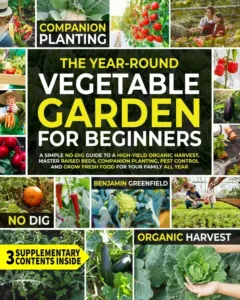
Check out the author’s book here: The Year-Round Vegetable Garden for Beginners.

Leave a Reply