

Shade Tolerant Vegetables usually arrive as a list of names. The list is the least useful part of the idea. Two gardens can both measure four hours of direct sun and still get different results. Hours are only one variable of three. The second is the organ you intend to harvest, since a leaf costs far less energy than a ripe fruit. The third is whatever casts the shadow, and that one decides more than most guides admit. A north-facing wall throws clean shade and takes nothing else from the bed. A mature maple throws shade and then competes for every drop of water in the same ground. This guide separates those cases and matches crops to the hour bands that extension services publish. By the end you will know which dark corner deserves a bed and which one deserves a pot.
Shade Tolerant Vegetables at a Glance
| Question | Short answer |
|---|---|
| Light shade | Four to six hours of direct sun; most greens, roots and herbs work |
| Moderate shade | Two to four hours; bok choi, mustard greens and spinach only |
| Heavy shade | Under two hours; nothing edible stays productive |
| Best bet | Anything harvested as a leaf or a stem |
| Worst bet | Tomatoes, peppers, squash and any other fruiting crop |
| Tree shade | Use containers, because roots compete harder than the canopy does |
| Timing | Expect maturity dates to stretch by a week or more |
Shade Tolerant Vegetables Begin With Three Hour Bands
Iowa State University Extension sorts shady ground into three bands, and the boundaries are worth memorizing. Light shade means four to six hours of direct sunlight, and moderate shade means two to four. Heavy shade means fewer than two hours, and that band is a dead end. Their guide to growing edible plants in shady areas is blunt about that bottom band. No vegetable, fruit or herb stays productive in full shade, whatever the catalogue copy promises. Most vegetables still want six hours or more, so every band beneath that involves a real trade.
Choosing Shade Tolerant Vegetables therefore starts with measurement rather than selection. Watch the bed across a full day in late June, when the canopy has fully leafed out. Count only direct sun landing on the soil, and ignore the bright ambient glow that flatters a dark corner. A Garden Sun Map: Count the Hours, Not the Shadows turns one afternoon of watching into a permanent record.
The Organ You Harvest Sets the Ceiling
Sunlight is the raw material a plant converts into sugar, and different harvests demand wildly different amounts of it. A leaf is the factory itself, so the plant builds it early and cheaply from whatever light arrives. A root is a warehouse, filled only after the leaves have covered their own costs for several weeks. Fruit is pure surplus, and no plant produces surplus while running a deficit.
That hierarchy explains every chart of Shade Tolerant Vegetables you will ever read. Lettuce, chard and kale succeed in partial shade because you eat the factory before the accounting gets difficult. Beets and carrots manage the same conditions, though they fill out slowly and finish smaller. Tomatoes, peppers and squash fail outright, and no variety claim on a packet changes that arithmetic. Reading those claims carefully is its own skill, covered in Reading Seed Packets: A Guide to Understanding Maturity Timelines.
What Four to Six Hours Will Actually Grow
Light shade is the generous band, and the Iowa State list of Shade Tolerant Vegetables runs longer than expected. Arugula, beans, beets, kale, lettuce, peas, radish, rhubarb, sorrel and Swiss chard all belong there. Herbs do even better, and basil, chervil, chives, cilantro, parsley, sage, scallions and tarragon all handle the same conditions. Strawberries are the one fruit that holds up, though the berries stay smaller than a sunny row would give you.
Iowa State also lists beans, broccoli, cabbage, kohlrabi and potatoes as crops that grow in light shade. None of them matches the harvest a full-sun bed would give you. That distinction matters more than a simple yes or no. You are not choosing between success and failure here, but between a full harvest and roughly two thirds of one. Many gardeners take that deal happily, especially for a corner that previously grew nothing but weeds.
Shade Tolerant Vegetables for Two to Four Hours
The moderate band narrows the field hard, and only three vegetables earn a recommendation from Iowa State. Bok choi, mustard greens and spinach hold their own on two to four hours of direct sun. Mint joins them among the herbs, which surprises nobody who has ever tried to contain it. Blackberries, raspberries, currants and gooseberries also fruit in this band, which makes soft fruit the exception.
Spinach deserves particular attention here, because low light suits its temperament rather than merely tolerating it. Heat and long days push it into bolting, while a shaded bed keeps the leaves coming for weeks longer. The mechanism behind that switch is worth understanding, and What Is Bolting? Why Vegetables Flower Early explains it properly. Gardeners who want spinach across the cold months should also look at Overwintering Spinach: Growing Greens in Cold Months.
Wall Shade and Tree Shade Are Not the Same Problem
Here is the distinction that turns a planting list into a plan. Shade cast by a building, a fence or a neighbouring roof removes light and nothing else. The soil underneath stays yours, the rain still lands on it, and the nutrients stay where you put them. A north-facing bed against a pale wall can grow salad all summer with no compromise beyond the hours themselves.
Shade cast by a tree removes three things at once. The canopy takes the light, the surface roots take the water, and the leaves intercept much of the rain. Consequently Shade Tolerant Vegetables under a maple fail for reasons no variety choice can fix. Gardeners blame the shade, replace the lettuce with something supposedly tougher, and watch that fail too.
Shade Tolerant Vegetables in Pots Under a Canopy
Penn State Extension takes the root problem seriously in its guidance on underplanting trees, and the rules are strict. Add no more than two inches of soil or compost over the root zone. Then begin planting about one foot out from the trunk, never closer. If your trowel uncovers a root two inches or more in diameter, refill the hole and move somewhere else entirely. Those limits rule out the raised bed most people imagine building under their oak.
Containers sidestep the whole conflict, since tree roots cannot enter a pot through solid plastic or fabric walls. Choose a generous volume, because a shallow pot dries out fast even in shade. A deep container of quality mix holds moisture steadily and can be shifted as the light moves across the season. The mix itself matters, and Best Soil for Container Vegetables covers what belongs in it.
Watering Shade Tolerant Vegetables Runs Backwards
Shade slows evaporation dramatically, so a shaded bed holds moisture far longer than a sunny one after the same rainfall. Watering on your usual schedule therefore drowns roots that were never thirsty in the first place. Saturated soil pushes out the air that roots need, and rot follows quickly in cool conditions. Check with a finger two inches down, and walk away if the soil still feels damp.
The exception is any bed sharing ground with tree roots, where the opposite problem appears. That soil dries out faster than open ground despite the shade, because the tree drinks first and drinks constantly. Watering there means soaking deeply and infrequently rather than sprinkling daily. Drip Tape Installation: DIY Micro-Irrigation for Efficient Veggie Gardens shows how to deliver water precisely in both cases.
Shade Stretches Every Date on the Packet
Reduced light slows photosynthesis, and slower photosynthesis shows up directly in the calendar. A radish listed at thirty days may take forty in light shade, and lettuce needs a similar allowance. Plan your sowings around the stretched figure instead of the printed one, particularly for autumn crops chasing the first frost. Succession sowings need wider gaps too, as Succession Planting: A Guide to Continuous Harvests works through in detail.
That slowness also brings a real benefit worth naming. Shaded greens stay tender and mild for far longer, because bitterness arrives with heat rather than with age. Your harvest window widens instead of narrowing, and a row planted in June still eats well in August. Anyone growing salad seriously should read How to Grow Crisp Lettuce: Expert Tips for a Perfect Salad alongside this one.
Spacing Goes Wider, Not Tighter
Intensive spacing works beautifully in full sun, where a closed canopy shades out weeds and conserves moisture. In a dim bed that same density turns the plants into competitors for a resource already in short supply. Give Shade Tolerant Vegetables roughly a quarter more room than the packet suggests, and let every leaf reach open sky. Intensive Gardening: Planning for High Yields in Small Plots explains why the sunny version of that logic works.
Cut-and-come-again harvesting suits these conditions better than growing full heads. You take outer leaves at baby size while the crown keeps producing, which sidesteps the long wait. A Mesclun Mix Growing: Cultivating Salad Greens for Every Palate sowing handles this perfectly. The varieties in Asian Greens: Growing Bok Choy and Tatsoi behave the same way.
Seedlings Still Need Their Share of Sun
Shade tolerance is an adult trait, and young seedlings do not possess it. A seed germinating in a dim bed stretches toward any light it finds, producing pale floppy stems. Start seeds indoors under bright light, and move them out only once the stems look stocky. The failure mode is common enough to have its own diagnosis in Leggy Seedlings: How to Fix Weak Plant Stems.
Transplants also need the usual adjustment period, even though they are heading somewhere cool and gentle. Harden them off over a week, since wind and temperature swings still apply under a canopy. The routine is laid out in Hardening Off Plants: How Much Stress Is Enough. Soil quality compensates for a great deal of missing light. Feed these beds with the methods in Soil Amendments: Natural Methods for Rejuvenating Earth.
Frequently Asked Questions About Shade Tolerant Vegetables
How many hours of sun do Shade Tolerant Vegetables actually need?
Four to six hours covers most of them comfortably, and a short list manages on two to four. Below two hours nothing edible stays productive, whatever the catalogue copy promises.
Can I grow tomatoes in partial shade?
Not successfully. Tomatoes are harvested as fruit, and fruit is the surplus a plant produces only after its light budget balances. Six to eight hours is the genuine minimum, and less gives you a tall plant with nothing on it.
Does morning sun or afternoon sun matter more?
Morning sun suits shaded beds better for cool-season crops. It dries the foliage early, which reduces disease, and it spares the plants the hottest hours that trigger bolting.
Why does my shaded bed dry out so fast?
Tree roots are almost certainly the answer. Shade alone slows evaporation, so a bed drying quickly in shade is being drained from below rather than above.
Should I prune the tree to let more light in?
Raising the lowest branches helps, and it costs the tree very little. Thinning the crown heavily does not, since the canopy regrows and the roots continue competing regardless.
Does shade change how I lay out the whole plot?
It should. Put fruiting crops in your brightest ground, greens in the partial shade, and paths or storage where nothing will grow. Vegetable Garden Layout Ideas for Beginners covers the full exercise.
Making the Dark Corner Earn Its Keep
Shade Tolerant Vegetables reward gardeners who measure first and choose second. Count the direct hours honestly, identify what casts the shadow, and match the crop to the harvest. Wall shade gives you a bed that grows salad all summer with no fight at all. Tree shade gives you a container garden, and fighting that verdict wastes seasons.
The payoff is real ground that was producing nothing last year. A north-side strip that grew moss now supplies lettuce from April to October. The leaves stay sweeter than anything the sunny beds manage in July. Start with a single bed of mixed greens this season, and sow a little thinner than instinct suggests. Then let the shade do what summer heat never could.
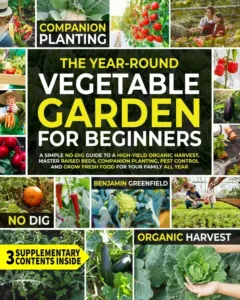
Check out the author’s book here: The Year-Round Vegetable Garden for Beginners.

Leave a Reply