

Every passionate gardener wants massive, delicious yields. However, simply planting seeds in plain dirt rarely achieves spectacular results. Vegetables represent incredibly hungry biological machines. Therefore, they require consistent, high-quality fuel to perform optimally. Organic Plant Food provides the absolute best, most natural nutrition available today. Utilizing synthetic chemicals often burns delicate roots instantly. Conversely, natural fertilizers build resilient, deeply healthy soil over time. This comprehensive guide explores the exact mechanics of feeding your crops safely. First, we will decode the complex science of plant nutrition. Next, discover exactly which natural amendments work best for specific vegetables. Finally, master applying Organic Plant Food correctly to guarantee an incredibly bountiful summer harvest.
Why Vegetables Need Organic Plant Food
After all, plants consume massive amounts of energy during their short lifespans. Specifically, they pull essential minerals directly from the surrounding earth. In addition, water acts as the primary transportation system for these invisible nutrients. Consequently, a thirsty plant quickly becomes a starving plant. Cultivating heavy-producing crops like tomatoes drains localized resources rapidly. Thus, proactive gardeners must continually replenish the subterranean bank account. Supplying Organic Plant Food keeps that account full and the plants sturdy. Indeed, robust plants naturally resist devastating fungal diseases much better than starving ones.
The Hidden Dangers of Synthetic Chemicals
Commercial garden centers heavily push cheap, brightly colored synthetic fertilizers. In fact, these artificial products promise miraculous overnight growth. Unfortunately, they deliver this rapid growth through highly destructive chemical salts. Applying massive doses of artificial nitrogen forces plants to expand unnaturally fast. As a result, the new green foliage becomes incredibly weak and highly attractive to hungry aphids. Indeed, Clemson University Extension notes that synthetic fertilizers can burn plants because of their high salt levels. Furthermore, those salts can build up in raised beds over several seasons. Switching to Organic Plant Food avoids that salt load.
Decoding the Crucial N-P-K Ratio
Reading fertilizer labels frequently confuses enthusiastic beginners. For instance, every commercial bottle or bag displays three prominent numbers on the front packaging. Generally, these digits represent Nitrogen, Phosphorus, and Potassium. Agronomists universally refer to this specific combination as the N-P-K ratio. First, nitrogen fuels massive, leafy green vegetative growth. Second, phosphorus promotes strong root expansion and abundant flower production. Meanwhile, Potassium supports overall cellular health and disease resistance. Understanding this fundamental biological recipe helps you choose the perfect product for your specific crop. For example, a lettuce patch thrives on nitrogen, whereas fruiting crops like pumpkins need a more balanced diet once they flower.
Liquid Versus Granular Organic Plant Food
Gardeners must decide between two primary delivery methods when nourishing their crops. First, granular fertilizers consist of dry, crushed organic materials. You typically scratch these solid powders directly into the topsoil. Slowly, natural moisture and soil microbes break the granules down into accessible plant food. According to Clemson, most organic fertilizers take one to four months to become available to the plant. Alternatively, liquid fertilizers offer an immediate, highly potent nutritional injection. Mixing concentrated fish emulsion with water creates a fast-acting biological soup. Drenching the roots with this liquid bypasses the slow decomposition process entirely. Consequently, plants absorb the dissolved minerals much faster. Utilizing both delivery systems strategically guarantees spectacular, uninterrupted agricultural success.
Building the Ultimate Compost Foundation
No discussion regarding garden fertility remains complete without honoring dark, rich compost. In fact, high-quality humus serves as the undisputed king of all soil amendments. This decayed organic matter contains a perfectly balanced, mild blend of essential trace minerals. Furthermore, compost physically improves the actual texture of your heavy clay or loose sand. Spreading a thick layer over your beds every single spring establishes an unbeatable foundation. If you want to stop buying expensive bagged dirt, producing your own humus is mandatory. Mastering this vital, highly rewarding skill requires studying Composting 101: A Beginner’s Guide to Black Gold. Creating free fertilizer at home slashes your seasonal operating budget drastically.
The Magic of Worm Castings
Similarly, earthworms provide an incredibly specialized, premium grade of natural fertilizer. Specifically, their digested waste is universally known as worm castings. These tiny black pellets pack an astonishing nutritional punch for your raised beds. Clemson lists them at roughly 2-1.5-1.5, a gentle and balanced mix. Unlike fresh animal manure, worm castings will absolutely never burn delicate seedling roots. You can safely drop a handful directly into the planting hole when moving young tomatoes outside. For rates and uses, see Using Worm Castings: How Much, Where, and What to Expect. Integrating this potent material guarantees explosive, deeply vibrant vegetative growth.
Fish Emulsion and Liquid Seaweed
Coastal farmers have utilized marine products to fertilize their fields for centuries. Likewise, modern fish emulsion captures this ancient wisdom perfectly inside a convenient bottle. This thick, admittedly foul-smelling liquid provides a massive, immediate dose of organic nitrogen. Clemson lists fish emulsion at about 5-2-2, which makes it a good choice for pale, yellowing leafy greens. Liquid kelp or seaweed extract serves a slightly different, equally vital purpose. Seaweed supplies potassium and a range of trace minerals; Clemson lists kelp powder at about 1-0-4. Additionally, kelp contains small amounts of natural growth regulators, which is why gardeners use it to help roots establish. Blending fish emulsion and liquid kelp together creates the ultimate, fast-acting Organic Plant Food cocktail.
Blood Meal and Bone Meal as Organic Plant Food
Sometimes your crops require a highly specific, targeted mineral intervention. Blood meal offers an incredibly concentrated, fast-acting source of pure dry nitrogen. Clemson lists it at 12 to 14 percent nitrogen, so a small amount around heavy-feeding corn goes a long way. However, you must apply blood meal very sparingly to avoid burning the surrounding foliage. Conversely, bone meal provides massive amounts of slow-release phosphorus and essential calcium. Clemson puts steamed bone meal at 11 to 15 percent phosphorus, so it works best mixed into the soil before planting.
However, don’t count on bone meal to stop blossom end rot. According to UC IPM, the disorder comes from low calcium in the fruit and the plant’s water balance, and low soil moisture or high soil salts make it worse. So steady watering matters more than extra calcium, as Identifying and Preventing Blossom-End Rot in Your Vegetable Crop explains.
To avoid overdoing any of them, see Soil Amendments: Natural Methods for Rejuvenating Earth.
When to Apply Organic Plant Food
Applying the perfect product at the entirely wrong time wastes precious money and effort. That is because vegetables require different nutritional profiles depending on their current life stage. Young, freshly transplanted seedlings need gentle, balanced nutrition to establish their fragile root networks safely. When the plant suddenly begins producing tiny flower buds, its biological mission shifts entirely. At this critical juncture, you must drastically reduce nitrogen applications. Continuing to pump nitrogen forces the plant to grow more leaves instead of ripening fruit. Instead, switch to a balanced, lower-nitrogen Organic Plant Food while the fruit sets. Aligning your feeding schedule correctly ensures you never accidentally suppress your own summer harvest.
Identifying the Heavy Feeders
Not all vegetables consume nutrients at the exact same aggressive rate. Understanding these distinct dietary categories prevents you from severely overfeeding or starving specific crops. For example, heavy feeders demand constant, relentless nutritional support throughout the long summer. Tomatoes, sweet corn, sprawling pumpkins, and massive cabbages fall firmly into this demanding category. Light feeders, alternatively, require very little supplemental intervention to thrive beautifully. Bush beans and snow peas actually pull their own nitrogen directly from the surrounding atmosphere. Giving legumes extra artificial nitrogen actively harms their natural biological processes. Root crops like radishes and turnips also prefer relatively lean, unfertilized dirt to prevent excessive, useless top growth.
Reading the Signs of Starvation
Plants communicate their internal distress clearly through highly visible physical symptoms. You simply must learn how to read their specific botanical language accurately. For example, older leaves turning completely pale yellow usually indicates a severe nitrogen deficiency. If the foliage develops a strange, dark purplish tint along the underside, the plant desperately needs phosphorus. Brown, crispy edges along the very tips of the leaves often signal a dangerous lack of potassium. Recognizing these distinct visual warnings allows you to intervene rapidly with the correct liquid amendment. Studying the detailed photographic examples found in Nutrient Deficiency in Plants: A Visual Guide to What Your Vegetables Are Telling You makes diagnosing these frustrating problems incredibly simple. A soil test confirms the diagnosis, and How to Read a Soil Test Report: Unlocking Your Garden’s True Potential explains the numbers.
Free Organic Plant Food from Kitchen Scraps
Achieving total agricultural independence means generating your own fertility right at home. You routinely throw away massive amounts of valuable organic nutrition every single day. Eggshells, coffee grounds, and banana peels contain incredible levels of raw, unrefined plant food. Crushed dry eggshells add calcium, although they break down very slowly. Used coffee grounds add a little nitrogen and work best mixed into the compost pile. Transforming this household garbage into premium garden fuel is incredibly satisfying. Exploring the clever, money-saving techniques for making homemade fertilizer from kitchen scraps protects your wallet fiercely. You actively reduce municipal landfill waste while simultaneously supercharging your backyard beds.
The Science of Foliar Feeding
Applying liquid nutrients directly onto the leaves offers an incredibly efficient, alternative delivery method. Indeed, plants possess microscopic pores called stomata scattered across their foliage. Leaves can absorb small amounts of dissolved minerals through these openings. Agronomists call this specific technique foliar feeding. Spraying a heavily diluted kelp extract directly onto the canopy bypasses the root system entirely. This method proves especially useful if your soil pH is currently unbalanced and locking out subterranean nutrients. Always spray your plants very early in the morning or just as dusk approaches. Midday heat dries the droplets before the leaves can absorb them and raises the risk of leaf scorch. For mixing rates, see Foliar Feeding Vegetables: How to Spray Nutrients for Instant Plant Boosts.
Fostering the Microscopic Ecosystem
Ultimately, true organic gardening focuses on feeding the earth, not the individual plant. Pouring natural amendments into dead, sterile dirt yields very disappointing, highly frustrating results. Instead, you must actively cultivate a thriving, diverse community of subterranean microbes to process the raw materials. As Clemson explains, organic fertilizers carry their nutrients in proteins, which soil microbes must break down into amino acids before plants can take them up. Therefore, protecting this microscopic workforce matters as much as the Organic Plant Food itself. So avoid harsh chemical pesticides and aggressive rototilling, which disrupt the soil life.
Harvesting the Ultimate Reward
Committing fully to Organic Plant Food transforms your entire approach to backyard cultivation. You immediately stop acting like a frantic chemist desperately trying to fix sick plants with toxic synthetic sprays. Instead, you step proudly into the rewarding role of a holistic biological steward. The initial learning curve undoubtedly requires a bit more research and careful observation than simply tossing blue chemical crystals into the dirt. Yet, the staggering visual and culinary rewards easily justify this dedicated intellectual effort. Your heirloom tomatoes will taste unbelievably rich, your leafy greens will explode with vibrant color, and your soil will grow remarkably dark and spongy. Grab your watering can, mix up a smelly batch of fish emulsion, and drench your thirsty roots today. By fiercely respecting the natural dietary rules of botanical biology, you guarantee your raised beds will produce their most magnificent, mouth-watering harvest yet.
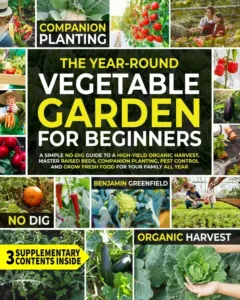
Check out the author’s book here: The Year-Round Vegetable Garden for Beginners

Leave a Reply