

Waking up to a garden overrun by aggressive weeds causes immense frustration for any passionate backyard grower. You spend countless hours pulling stubborn roots, only to see them return vigorously within days. Consequently, finding a permanent, chemical-free way to clear your beds becomes absolutely necessary. Many beginners mistakenly rely on toxic synthetic herbicides to solve this persistent outdoor problem. However, these harsh poisons actively contaminate your edible soil and kill helpful native pollinators. Utilizing the highly effective Soil Solarization Method offers a brilliant, entirely natural alternative. This innovative technique harnesses the raw, concentrated power of the summer sun to pasteurize your soil. Specifically, it completely eliminates dormant weed seeds, harmful nematodes, and devastating fungal pathogens. Furthermore, you achieve this pristine growing environment without purchasing expensive chemical inputs or lifting heavy tilling machinery. Indeed, mastering this simple, passive method prepares your beds beautifully for a lifetime of abundant harvests. First, we will closely examine the physical thermal principles that govern underground pasteurization. Next, discover how to prepare your garden beds and apply the clear plastic film correctly. Finally, learn how to manage your post-solarization planting schedule to maximize your overall yields.
The Underlying Physics of Solar Pasteurization
Trapping solar energy requires a basic understanding of thermodynamic principles. Clear polyethylene plastic acts like a miniature, highly concentrated greenhouse when laid flat on damp soil. Shortwave solar radiation passes effortlessly through the transparent plastic film. Once this light hits the dark ground, the soil absorbs the energy and converts it into longwave infrared heat. Because the clear plastic prevents this longwave heat from escaping back into the atmosphere, the soil temperature skyrockets. Specifically, the top two inches of earth can easily reach temperatures exceeding 140°F (60°C). This intense heat literally cooks the soil, causing thermal death to sensitive organic pests. Consequently, the pasteurization process sterilizes the upper soil layer without destroying the overall structural integrity of your dirt. Undisturbed soil remains highly structured, preserving the microscopic pockets required for future root growth. Ultimately, you establish a clean slate for your vegetables using completely free solar power.
Ideal Timing and Climate Constraints
Executing the Soil Solarization Method requires optimal weather conditions. You simply cannot perform this process during the cool, cloudy days of early spring. Instead, you must target the absolute hottest, sunniest months of the summer. Summer months like June, July, and August provide the intense solar radiation needed to raise subterranean temperatures. Additionally, the treatment requires a minimum of four to six weeks of uninterrupted sun. If your region experiences frequent, heavy summer rainstorms, the soil will cool down too quickly. Therefore, dry, arid climates or regions with hot, stable summers achieve the highest success rates. Knowing your local weather patterns ensures you time the process perfectly before fall planting. Planning your calendar around these environmental limits matches the careful approach suggested in Starting a Vegetable Garden: A Checklist for Newbies. Indeed, timing the solar treatment correctly ensures your beds are fully cleared and ready for autumn.
Preparing the Bed for the Soil Solarization Method
Preparing your garden beds properly directly dictates your ultimate pasteurization success. First, remove all old crop debris, large weeds, and heavy root balls from the area. These bulky organic materials create large air pockets under the plastic, preventing even heat distribution. Next, use a sturdy rake to level the soil surface until it is completely flat. Creating a smooth, even surface allows the plastic film to lay in direct, tight contact with the earth. Any physical gap between the plastic and the dirt acts as an insulating barrier, reducing overall heat transfer. Furthermore, breaking up large clods of dirt ensures the heat penetrates the soil profile uniformly. Achieving this loose, fluffy texture requires mastering the techniques in Loam Soil Preparation: Understanding and Improving Your Garden’s Composition. Fluffy soil allows the thermal energy to radiate deeply, reaching pathogens hidden in the subsoil. Ultimately, meticulous physical preparation establishes the perfect foundation for the solar trap.
The Crucial Role of Soil Moisture
Water acts as an incredible, highly efficient conductor of thermal energy. Dry soil contains millions of microscopic air pockets that actively insulate against heat transfer. Consequently, dry dirt will never reach the extreme temperatures needed to kill resilient pathogens. You must thoroughly saturate the garden beds before laying down your plastic film. Soak the area deeply until moisture reaches a depth of at least twelve inches. Furthermore, wet soil stimulates dormant weed seeds and fungal spores to wake up. Once these organisms begin to germinate, they become incredibly vulnerable to thermal heat death. Capturing clean water for this deep saturation is easily achieved using a reliable backyard collection setup. Implementing the sustainable methods detailed in Rainwater Harvesting for Vegetable Gardens: What One Barrel Actually Waters provides an endless, chemical-free liquid supply. Indeed, keeping the soil damp maximizes the overall biological impact of the solar treatment.
Selecting and Laying the Plastic Film
Choosing the correct type of plastic sheet represents a vital, highly critical decision. Many beginners assume that heavy black plastic will generate the absolute highest heat. However, black plastic absorbs the sun’s energy internally, getting hot itself but blocking heat from reaching the soil. Conversely, clear polyethylene plastic allows solar radiation to pass through, heating the earth directly. Therefore, clear plastic is mathematically superior to black plastic for deep soil pasteurization. Purchase a thin, UV-resistant clear film between one and two mils (0.025 to 0.05 mm) thick. Thin plastic allows more solar energy to penetrate compared to thick, heavy-duty tarps. Specifically, roll the plastic over the wet bed and bury the edges securely in deep trenches. Shoveling dirt tightly over all four edges prevents wind from lifting the film and traps the heat inside. Ultimately, an airtight seal guarantees the internal temperatures reach lethal, pasteurizing levels.
The Pasteurization Process: What Happens Underground
Trapped under the clear plastic, the subterranean environment undergoes a massive biological transformation. Persistent heat waves slowly bake the top six inches of topsoil continuously. This sustained thermal baking pasteurizes the earth, destroying many common, devastating agricultural diseases. For instance, it successfully kills dangerous fungal pathogens like Verticillium and Fusarium wilt. Additionally, destructive, microscopic root-knot nematodes succumb to the intense heat easily. You might worry that this process kills absolutely every single beneficial soil microbe. Fortunately, many helpful, heat-tolerant bacteria survive deep underground and quickly recolonize the area. Rebuilding a thriving, diverse underground ecosystem afterward is a primary goal of organic farmers. Utilizing high-quality Soil Amendments: Natural Methods for Rejuvenating Earth re-introduces billions of beneficial organisms to your beds. Indeed, healthy soil microbiology naturally prevents future plant diseases from ever taking hold.
Weed Seed Eradication Mechanics
Eradicating stubborn weeds represents the most immediate, highly visible benefit of this method. Most annual weeds produce thousands of tiny, highly resilient seeds every single season. These seeds lie dormant in your soil, waiting for the perfect opportunity to germinate. Standard tilling merely brings these deeply buried seeds to the surface, causing massive weed explosions. Conversely, the Soil Solarization Method cooks these seeds directly in place, preventing germination permanently. The intense heat destroys the fragile protein structures inside the dormant weed embryos. Specifically, it kills tender annual grass seeds and aggressive broadleaf seeds easily. Some highly resilient, deep-rooted perennial weeds like field bindweed might survive the thermal treatment. However, the vast majority of common garden weeds are completely eradicated, saving you endless hours of hand-weeding. Ultimately, you reclaim total control of your garden beds without using toxic chemical herbicides.
Post-Solarization Planting Strategies
Once the six-week solarization period concludes, you must remove the plastic film carefully. Roll up the clear sheeting and dispose of it responsibly to keep your garden clean. Do not till the newly pasteurized soil under any circumstances after removing the plastic. Tilling will bring up dormant weed seeds from the deep, untreated subsoil, ruining your hard work. Instead, plant your seeds or transplants directly into the undisturbed, clean topsoil. This clean surface is perfect for launching a massive, highly productive second harvest. Sowing cool-season crops immediately after the summer treatment maximizes your year-round output. Executing this rapid seasonal transition is beautifully detailed in Succession Planting: A Guide to Continuous Harvests. Furthermore, keeping your soil constantly covered prevents new weed seeds from ever establishing a foothold. Indeed, careful timing ensures your garden remains incredibly productive from early spring through winter.
Managing Soil Diseases and Crop Health
Vegetables grown in solarized soil exhibit remarkably healthy, vigorous development. Because the sun cleared the root zone of harmful pathogens, plants do not experience early stress. They can dedicate all their energy toward rapid leaf expansion and heavy fruit production. Furthermore, healthy crops naturally resist flying insect pests much better than weak, struggling ones. Keeping your entire garden balanced reduces your overall reliance on organic sprays. You should combine solarization with a strict multi-year crop movement schedule for ultimate safety. Moving plant families systematically breaks the life cycles of specialized diseases. Discovering the exact mechanics of this shifting choreography requires studying Vegetable Crop Rotation: An Essential Guide for Soil Health Families. Combining crop rotation with solar pasteurization builds an incredibly tough biological shield around your yard. Ultimately, you protect your food supply naturally while improving the long-term value of your land.
Academic and Scientific Validation
The incredible effectiveness of solar pasteurization is heavily backed by modern agricultural research. Leading botanical institutions continuously study this chemical-free method to help farmers reduce toxic pesticide use. According to extensive field research published by the University of California Agriculture and Natural Resources (UCANR), soil solarization successfully controls a wide variety of weeds, nematodes, and soil-borne fungi. Their rigorous academic data proves conclusively that clear plastic pasteurization provides long-lasting pest control without harming the environment. This scientific validation gives home growers ultimate confidence in the system. You are not merely experimenting with a trendy gardening hobby; you are executing a highly proven agricultural strategy. Furthermore, reducing chemical run-off actively protects the fragile local watershed. Your family benefits from fresh, chemical-free food grown in incredibly clean, vibrant earth. Planning your seasonal tasks based on verified research prevents expensive, frustrating mistakes. Indeed, incorporating these proven techniques is highly recommended in our Spring Garden Preparation Checklist: In the Order the Soil Allows.
Long-Term Benefits of the Soil Solarization Method
Committing to the Soil Solarization Method fundamentally transforms your relationship with your land. You immediately transition away from the exhausting, backbreaking labor of endless weeding. Instead, you leverage the free, natural power of the sun to maintain clean garden beds. This passive approach saves you massive amounts of time and financial resources every single year. Furthermore, healthy, uncompacted soil naturally produces vegetables with much higher nutrient density. Embracing this holistic philosophy is a major focus of modern sustainable farming. It allows you to grow clean, delicious food while actively regenerating your personal property. Grab some clear plastic sheeting, saturate your beds, and let the sun do the hard work this summer. Meticulous planning now ensures your upcoming fall and spring crops will thrive spectacular and weed-free. Ultimately, working in perfect harmony with nature’s powerful cycles guarantees long-term agricultural abundance.
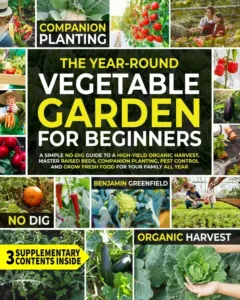
Check out the author’s book here: The Year-Round Vegetable Garden for Beginners.

Leave a Reply