

A vegetable garden in July is almost entirely green, and the eye tires of it long before the cook does. Edible Flowers break that monotony, and the good ones never steal a square foot from the food. Nasturtiums climb the fence, calendula fills the gaps between the brassicas, and borage holds the corner where the bees already work. Every one of those plants eventually reaches a plate, which is the difference between a flower bed and a garden.
This guide treats blooms as a crop rather than as decoration, so the safety rules come first. After that come six Edible Flowers worth a beginner’s opening season, the numbers behind growing them, and the harvest hour that decides how they taste. Colour is the bonus here, never the reason for the work.
Edible Flowers at a Glance
| Safety first | Eat only what you grew or trust; never florist, nursery or garden centre stock |
| Easiest three | Nasturtium, calendula and borage, all direct sown and all forgiving |
| The free ones | Chives, cilantro, garlic scapes, squash and any green that bolted |
| Sun | Six hours minimum, and full sun for nasturtium, calendula and marigold |
| Fertility | Low to average, since heavy nitrogen buys leaves instead of blooms |
| Harvest | Morning, once the dew has dried, on blooms that have just opened |
| Storage | Between damp paper towels in a closed box, two to four days |
| Preserving | Dried, candied, or steeped into vinegars kept in the refrigerator |
The Safety Rules Behind Edible Flowers
Most garden flowers are not food, and a few of the prettiest will make you seriously ill. Foxglove, lily of the valley and larkspur all grow in ordinary borders, and all three are toxic. Colorado State University puts the matter plainly in its guide to edible flowers, warning that proper identification is essential because some flowers are poisonous. Identification means the species, not a general impression of the shape or the colour.
The second danger is invisible. Nursery and florist stock is routinely treated with systemic pesticides, which move through the whole plant and cannot be washed off. Because of that, the same guide tells readers not to eat flowers from florists, garden centres or nurseries at all. Grow your own, or buy from a producer who can tell you exactly what went on the crop.
The Four Rules That Never Bend
- Name the species. A field guide or an extension page, not a memory of something similar.
- Know the history. Only blooms you raised yourself, or ones from a grower you can question.
- Start with a taste. Introduce any new flower slowly, in small amounts, exactly like a new food.
- Eat the right part. Remove stamens and pistils, and pull off the white heel at the base of each petal, which is the bitter part.
Two extra cautions are worth memorising. Anyone with hay fever or asthma should be careful with the daisy family, calendula and chamomile included. Daylilies act as a mild diuretic or laxative in quantity, so they belong on the plate in moderation.
Six Edible Flowers Worth Your First Season
Dozens of species are edible, but a first season goes better with a short list. These six cover every flavour register, and five of them cost almost nothing.
Nasturtium: Peppery from Leaf to Seed Pod
Nasturtium is the one to plant if you plant only one. Illinois Extension describes the flavour in its nasturtium profile as peppery, much like watercress. Leaves, flowers, buds and immature seed pods are all edible on the same plant. Those green pods, pickled in vinegar, stand in for capers. The plant wants full sun and average, well-drained soil, and it produces more flowers when the soil is poor rather than rich.
Borage: The Cucumber Star
Borage carries blue star-shaped flowers that taste startlingly like fresh cucumber. Colorado State University lists it among the twelve edible annual flowers worth growing in the state. Space it twelve to eighteen inches apart, and expect flowers through June and July. It self-seeds freely once established, so one packet usually turns into a permanent supply. Bees find it before you do, which is part of the point.
Calendula: Colour Rather Than Flavour
Calendula petals taste tangy and faintly peppery, and their real job is colour. Dried and crumbled, they tint rice, butter and soup a deep gold, which is why the old name was poor man’s saffron. The plant is a cool-season annual, so it flowers early and again in autumn. It fades in a heatwave and revives when the nights cool.
Violas and Johnny Jump-Ups: The Sweet Ones
Violas are floral and faintly sweet, and they are the flowers to use on desserts. Penn State recommends them in its notes on edible landscapes, where Johnny jump-ups are candied with egg white and sugar. They also bloom from April to October in cool conditions, which is a long season for so small a plant.
Chive, Cilantro and Garlic Blossoms: The Free Ones
These cost nothing, because the plants are already in the bed. Chive blossoms break into purple florets with a clean onion bite, and cilantro flowers taste like a milder version of the leaf. Harvesting Garlic Scapes: How to Prune and Eat Garlic Flower Buds covers the bud at each scape tip. What is Bolting: How to Prevent Your Leafy Greens from Flowering Early covers the blooms that bolted lettuce and arugula provide.
Squash Blossoms: The Only One You Cook
Squash blossoms are the delicacy of the group, stuffed or fried rather than scattered raw. Take the male flowers, which sit on a thin straight stem and do not become fruit. Leave the females, which carry a tiny swelling behind the petals and become fruit. Growing Zucchini: Spacing, Pollination, and Picking Before They Turn Into Clubs follows those fruits to the picking stage. Pick sparingly in a bad pollination year, since those males are the pollen supply behind Hand Pollinating Squash: Saving Your Harvest When Bees Are Scarce.
Where Edible Flowers Belong in the Bed
Flowers compete for light and root space exactly as vegetables do, so they need a place in the plan rather than the leftovers.
Sun, Spacing and Height
Six hours of direct sun is the working minimum, and the full-sun species want more. Colorado State gives nasturtium and cornflower eight to twelve inches, borage and calendula twelve to eighteen, and marigold and dahlia eighteen to twenty-four. Put the tall ones on the north side so they shade nothing. Garden Sun Map: Count the Hours, Not the Shadows shows how to read the real light pattern first. The whole arrangement fits neatly into Vegetable Garden Layout Ideas for Beginners.
The Fertility Trap
The commonest mistake is feeding flowers like tomatoes. Excess nitrogen produces magnificent foliage and very few buds, and nasturtium is the worst offender of all. Average garden soil with a little compost is enough for all of them. That makes edible flowers a natural fit for Vegetable Gardening on a Budget: Saving Money on Seeds and Soil. Save the richer amendments described in Soil Amendments: Natural Methods for Rejuvenating Earth for the heavy feeders next door.
Growing Calendula by the Numbers
One crop shows how precise this can get. Utah State University gives exact figures in its guide to calendula in the garden. Sow a quarter of an inch deep once the soil reaches 60°F, and expect germination in one to two weeks. Thin the seedlings to eight or twelve inches apart in the row. The plant prefers conditions below 85°F, yet it survives down to 25°F, which explains its long shoulder seasons.
Deadheading is the engine of the crop. Remove the spent blooms and the plant re-flowers in roughly two weeks, so a single sowing can be harvested several times. Check the soil temperature properly before sowing, using the method in Soil Temperature for Planting: When to Safely Sow Warm-Season Crops. If you raise the plants indoors instead, treat them like any other transplant and follow Hardening Off Plants: How Much Stress Is Enough.
Harvesting Edible Flowers at the Right Hour
Timing does more for flavour than any variety choice. Pick in the morning after the dew has dried, when the petals are fully hydrated and the volatile oils are at their strongest. Choose blooms at peak, meaning open for a day at most, because older flowers turn bitter and lose colour. Afternoon heat wilts them within minutes of cutting.
Handle them like raspberries rather than like kale. Bruised petals darken along the crease and never recover, so a shallow basket beats a bag every time. Rinse gently in cool water, then lay the flowers out to dry before they go anywhere near a plate. That same gentleness applies across the garden, as A Beginner’s Guide to Harvesting Vegetables: Knowing When to Pick points out.
Storing and Drying Edible Flowers
Fresh petals are perishable, and no trick makes them last a week. Colorado State recommends placing washed flowers between damp paper towels in the refrigerator, which buys two to four days. Nasturtiums are the exception to almost every preservation method, since they do not dry well and must be used fresh.
Drying suits calendula, lavender and chamomile perfectly. Utah State says calendula blooms dry in one to five days in a well-ventilated place away from sunlight. Dried petals then keep for months in an airtight jar in the dark. Flavoured vinegars and oils are the other route, although both have a limited shelf life and belong in the refrigerator. For everything else the garden produces, the rules in Root Cellar Storage: Why One Room Cannot Hold Everything still apply.
What Edible Flowers Do for the Rest of the Garden
The plate is only half the return. A flowering border changes the insect population of a vegetable plot within a single season.
Feeding the Pollinators
Squash, cucumbers and beans all depend on insect visits, and insects need food between crop bloom periods. Borage, calendula and cornflower cover exactly those gaps, which is the argument made in Pollinator Friendly Garden: Attracting Bees and Butterflies to Your Vegetables. The same nectar keeps hoverflies and lacewings on site, and their larvae eat aphids.
Decoys, Repellents and Neighbours
Nasturtium is famous for pulling aphids off beans and brassicas. That makes it a decoy in the sense used by Trap Crops: Decoying Pests Away from Vegetables. Aromatic flowering herbs work the other way, masking the scent trails that guide pests in. Herb Companion Planting: Maximizing Vegetable Growth and Repelling Pests describes that second effect.
Neither tactic replaces a proper strategy, so treat both as layers inside Organic Pest Management: Eco-Friendly Solutions for the Vegetable Garden. Which flower goes beside which vegetable is worked out in Vegetable Companion Planting Chart: Boost Growth and Repel Pests.
A Year of Edible Flowers, Month by Month
- Late winter. Order seed and sow violas and calendula indoors, slotting them into your Planting Schedule: A Year-Round Guide for Every Season.
- Spring. Direct sow nasturtium and borage once frost has passed, and let the violas flower early while conditions stay cool.
- Early summer. Calendula and borage open, chives blossom, and garlic sends up scapes.
- High summer. Nasturtium peaks, squash blossoms arrive daily, and bolted cilantro flowers for free.
The second half of the year is about keeping edible flowers coming, then closing the season down cleanly.
- Late summer. Deadhead hard, sow a second calendula round, and stagger it the way Succession Planting: A Guide to Continuous Harvests recommends.
- Autumn. Let some plants set seed for next year and for the birds.
- First frost. Harvest and dry everything left, timing the sweep with First Frost Date: How to Find Yours and Protect Your Crops.
Autumn seed is worth collecting properly, and Saving Vegetable Seeds: A Step-by-Step Guide for the Home Garden covers the method.
Frequently Asked Questions
Are all Edible Flowers safe for children?
No, and children deserve stricter rules than adults. Teach the specific species by name, and never allow grazing on anything unnamed in the garden. Start with a small quantity of one flower, then wait a day before offering it again. Anyone in the family with hay fever should skip the daisy family entirely.
Can I eat the flowers from vegetables that have bolted?
Usually yes, and they are among the best free blooms available. Arugula, mustard, radish, cilantro and basil all flower with a milder version of the leaf flavour. Brassica blossoms taste sweet and faintly cabbagey, and they pair well with the greens in Mesclun Mix Growing: Cultivating Salad Greens for Every Palate.
Do Edible Flowers need different soil from vegetables?
They need the same texture but less fertility, which is the main difference. Well-drained soil at a pH between 6.0 and 7.0 suits nearly all of them. You can confirm yours with Soil pH Testing: How to Take a Sample That Means Something. Skip the nitrogen-heavy feeds, because they push foliage at the expense of buds.
How many flowers can I pick without hurting the plant?
Picking is deadheading, so regular harvesting actually increases production. Calendula re-blooms within about two weeks of being cut back, and nasturtium responds the same way. The exception is squash, where you should take only male blossoms and leave enough for pollination.
Can I dry Edible Flowers for winter?
Calendula, lavender, chamomile and rose petals all dry well and keep for months in the dark. Nasturtium and borage do not, so enjoy them fresh and preserve nasturtium as pickled seed pods instead. A windowsill crop from Indoor Herb Garden: Growing Basil and Mint Year-Round covers the fresh side through winter.
Colour That Earns Its Keep
A bed with flowers in it produces more food than the same bed without them, and that is the honest case for growing them. The bees arrive earlier, the aphids spread themselves thinner, and the salad stops looking like a duty. None of it costs more than a packet of seed and a corner of the plot.
Begin with three species, keep the safety rules absolute, and pick in the morning. By August the habit will be automatic, and you will stop dividing the garden into things that look good and things you eat. Perennial crops deserve the same treatment, which is the ground covered in Edible Perennials: Planting Once for Lifetime Harvests. The best plot does both jobs at once, all season long.
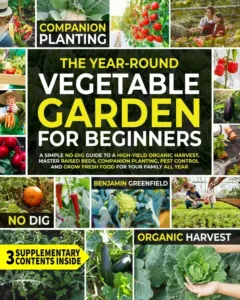
Check out the author’s book here: The Year-Round Vegetable Garden for Beginners.

Leave a Reply